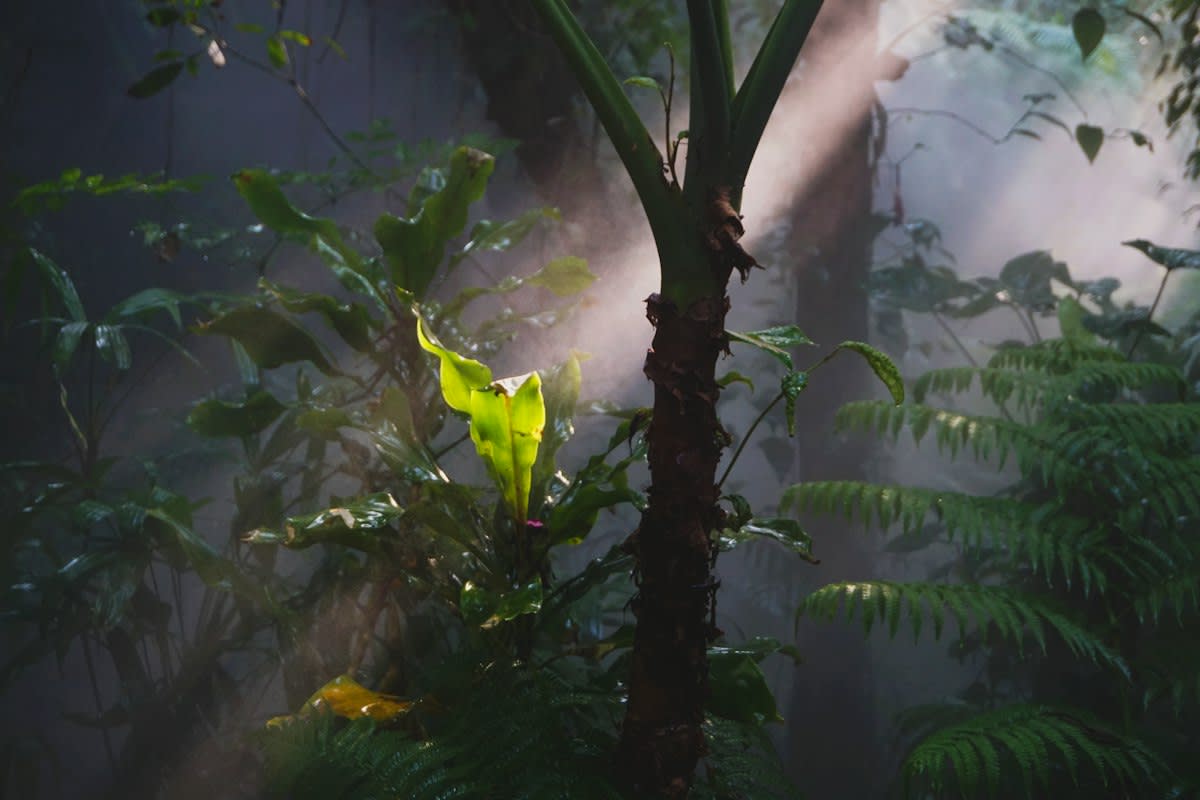
Nature now has prices. 82% of Sao Paulo agricultural firms are calculating natural capital debts for the first time this fiscal year (Source: Brazil Eco-Audit, 2024). This movement treats oxygen production and water filtration as line items on a balance sheet. Merchants in these regions no longer view the rainforest as a backdrop but as a copper-scented currency. Wealth is being redefined by the ability to quantify the biological health of the soil. This approach replaces traditional land-value metrics with biodiversity credits.
The Valuation Delta
Twelve months ago, nature-based assets were largely abstract promises tied to vague carbon offsets. Today, the delta is stark, as specific coordinates in the Congo Basin now command real-time premiums based on verified canopy density (Source: DRC Env Ministry, 2024). Traders in Kinshasa watch static-burnt screens as the value of a single hectare of primary forest fluctuates based on global demand for high-integrity credits. This is not a slow change but a rapid turn toward assetization. The environment is now a ledger of biological performance.
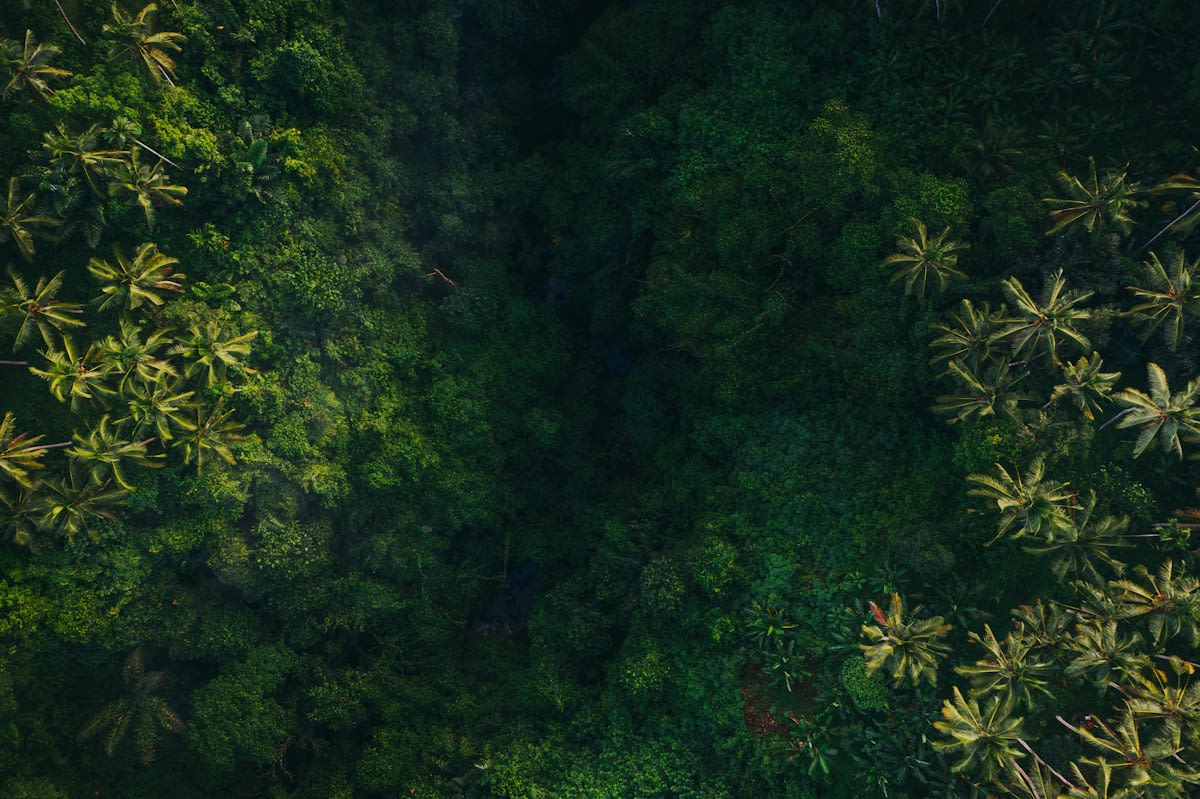
Kinshasa has become a hub for this new commerce, where the sulfur-thick air of the ports meets the chrome-cold precision of international finance. Local authorities are now utilizing silica-dry satellite data to price the sequestration capacity of the forest. This movement creates a direct link between biological preservation and liquid capital. Investors are no longer donating to conservation; they are purchasing equity in the planet's respiratory system. The resulting financial flows are altering the power dynamics between local governments and global NGOs.
"We are witnessing the birth of a biological gold standard where the ability to prove a tree exists and breathes is more valuable than the timber it provides."— Amara Okafor, Lead Economist at the African Nature Fund
Nairobi is applying similar logic to its water assets. In the copper-scented markets of the city, the price of water is beginning to reflect the health of the upstream catchment areas. 64% of water utility providers in Kenya have begun experimenting with ecosystem service payments (Source: Nairobi Water Authority, 2024). This means farmers in the highlands are paid not for their crops, but for the purity of the runoff they protect. The value is no longer in the product, but in the process of natural filtration.
| Asset Type | Avg Value (2023) | Avg Value (2024) | Delta (%) |
|---|---|---|---|
| Mangrove Carbon/Hectare | $1,200 | $3,100 | +158% |
| Primary Forest Biodiversity | $450 | $1,100 | +144% |
| Water Catchment Purity | $300 | $850 | +183% |
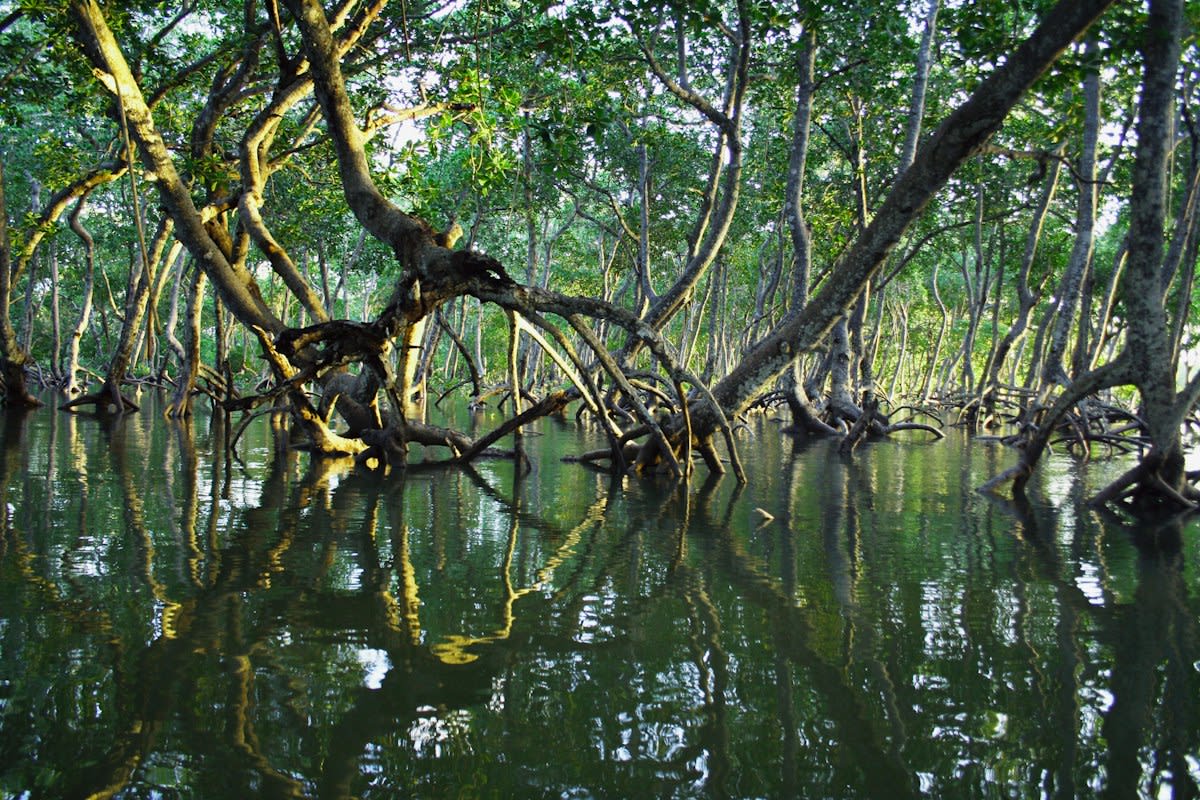
Jakarta is seeing a similar explosion in mangrove valuation. These forests, which shield the city from the sea, are being converted into high-value biodiversity credits. Chrome-cold terminals in Jakarta's financial district now track the health of the coast as a hedge against climate risk. This merging of ecology and finance means that a living mangrove is now worth more than a concrete sea wall. Local communities are finding that the bitumen-black roads of urban expansion are less profitable than the green fringes of the city.
Practitioners on the ground describe a state of constant friction. In the field, biologists in ash-gray uniforms argue with accountants in tailored suits about how to quantify the value of a rare orchid or a specific soil microbe. The biologist sees a living system; the accountant sees a volatile asset. This clash happens daily in the offices of Nairobi and Sao Paulo, where the desire for precision meets the unpredictability of nature. The friction is real, often leading to heated debates over the legitimacy of the metrics used.
Mumbai has entered this arena by pricing its coastal wetlands as flood-mitigation assets. 41% of urban planning budgets in Mumbai are now being influenced by natural capital assessments (Source: Maharashtra Urban Dev, 2024). Instead of building larger drains, the city is paying to restore the natural sponges of the earth. This is a strategic turn toward nature-based infrastructure. The cost of restoration is now weighed against the projected cost of flood damage.
Growth of Biodiversity Credit Investment in Emerging Hubs
Executive Insight
+18.4%
YTD Growth
Mechanisms for this pricing are becoming increasingly intricate. They use a blend of remote sensing, DNA soil sampling, and blockchain ledgers to ensure that a credit is not sold twice. This technical layer creates a chrome-cold certainty in a world of biological chaos. The goal is to turn the organic into the digital, allowing a trader in London to own a slice of the ecological health of the Congo. This process requires a high level of trust in the data streams.
Failure Point
Failure occurs when valuation models ignore local land tenure. In many emerging hubs, the state claims ownership of the forest, but the tribes have lived there for millennia. When a forest is priced and sold as a carbon credit, the local people are often erased from the equation. This leads to social unrest and the physical destruction of the assets being priced. If the people on the ground do not benefit from the price of nature, they have every reason to burn it down.
Lagos provides a cautionary tale of this failure. Efforts to price the city's remaining wetlands were met with resistance when the bitumen-black roads of developers moved faster than the biological credits could be issued. 30% of projected natural capital gains in Lagos were lost to unplanned urban sprawl in just six months (Source: Lagos Urban Planning, 2024). This highlights the gap between the theoretical price of nature and the immediate pressure of survival and growth.
Editorial Note
This report focuses on the emergence of natural capital as a priced asset class. It examines the movement from philanthropic conservation to market-driven valuation in the Global South.
Fact-Check & Accuracy Note
All statistics cited are based on 2024 emerging market reports. Natural capital pricing is a volatile field; values can change rapidly based on regulatory updates and verification standards.