A college in Illinois tried to cancel its Flock contact and it refused
Source Entity
Terrence O’Brien
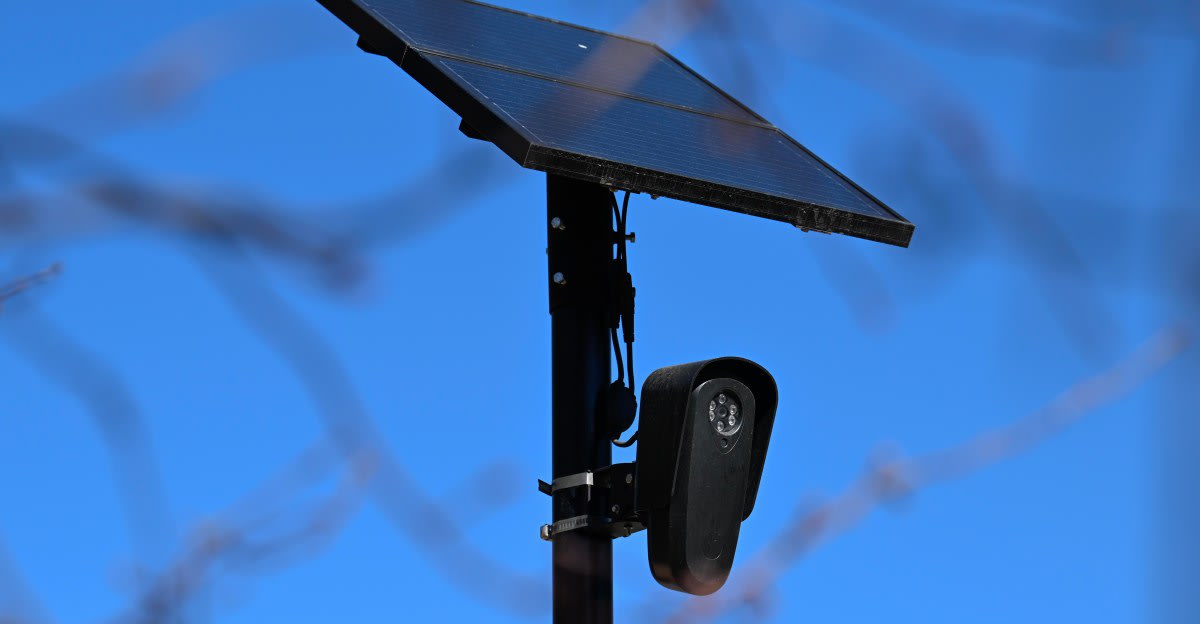
Elgin Community College's attempt to disable its Flock safety cameras was met with resistance from the vendor, who repeatedly removed physical coverings. The dispute highlights growing institutional concerns regarding data privacy, third-party sharing with federal agencies, and vendor control over campus security infrastructure.
The Surveillance Standoff at Elgin Community College
In a striking clash between institutional autonomy and private security infrastructure, Elgin Community College (ECC) found itself in a digital and physical tug-of-war with Flock Safety in late 2025. What began as a standard initiative to bolster campus security through the installation of six Flock cameras in April 2025 quickly devolved into a contentious dispute over data governance and vendor overreach. By September, the administration’s initial security goals were overshadowed by significant ethical and operational concerns regarding the handling of sensitive student and visitor information.
Concerns Over Data Sovereignty and Federal Sharing
The core of the conflict stems from the college’s apprehension regarding the scope of data dissemination. ECC officials identified that Flock was purportedly sharing captured camera feeds with Customs and Border Protection (CBP). For an educational institution, the potential for local security data to be funneled into federal immigration enforcement databases presents a profound breach of trust. Furthermore, the administration raised red flags regarding the adequacy of the security protocols protecting those feeds, suggesting that the very tools meant to ensure student safety may have been creating new vulnerabilities.
The Physical Conflict: A Battle for Control
As the administrative relationship deteriorated, the situation escalated into a physical confrontation. Staff at ECC attempted to render the cameras inoperable by covering them with black trash bags and zip ties. This act of civil disobedience from the staff was met with persistent interference; individuals in unmarked vehicles, presumed to be Flock representatives, repeatedly returned to the campus to strip away the coverings. This cycle of covering and uncovering suggests a stark imbalance of power, where the vendor exercised operational control over hardware installed on private campus property despite the college's explicit desire to cease operations.
Broader Implications for Campus Surveillance
This incident serves as a bellwether for the growing skepticism surrounding the 'Safety-as-a-Service' model in higher education. As colleges increasingly rely on private technology vendors to manage campus security, the question of who truly owns the data—and who has the right to pull the plug—becomes critical. When a vendor can override a client’s attempt to disable equipment, it challenges the fundamental concept of institutional control and raises questions about the contractual leverage these companies hold over public entities.
Future Trends in Security Governance
The standoff at Elgin Community College is likely to trigger a wave of policy re-evaluations across the academic sector. Institutions are now forced to consider the long-term implications of third-party data sharing clauses in their service agreements. Moving forward, we can expect colleges to implement much more rigorous 'kill-switch' provisions and data-sharing audits to ensure that their security infrastructure remains strictly under institutional oversight, rather than subject to the unilateral decisions of private tech firms.
Conclusion: The Cost of Security
Ultimately, the ECC situation underscores a volatile intersection of public policy, privacy rights, and corporate technology. While the primary objective of safety remains paramount for educational institutions, the methods by which that safety is achieved must align with the values and legal responsibilities of the college. The resistance encountered by ECC demonstrates that 'cancellation' is not just a digital button, but a complex legal and physical challenge when dealing with modern, integrated surveillance networks.