Will the HomeView be Apple’s first smart home success?
Source Entity
Anthony Ha
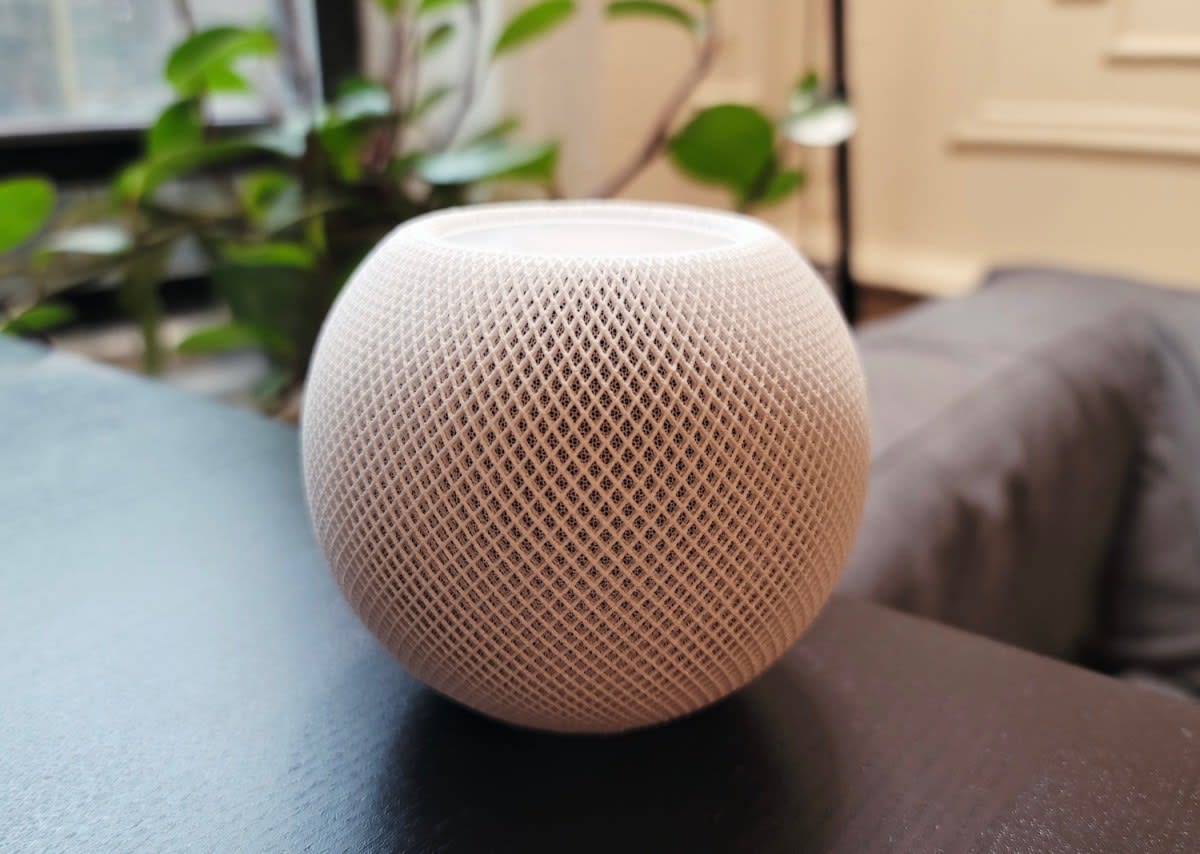
Apple is set to launch its new 'HomeView' smart home hub at the upcoming 'Welcome Home' event. The device features an A18 chip and display, marking a strategic shift to bolster Apple's presence in the smart home market.
Apple’s Strategic Pivot: Introducing the HomeView
Apple is poised to make its most significant entry into the smart home market to date with the upcoming announcement of the 'HomeView.' According to reports from Bloomberg’s Mark Gurman, this new hub is set to be unveiled during the company's 'Welcome Home' event. This move represents a calculated effort by Apple to centralize its smart home ecosystem, moving beyond the fragmented performance of its previous HomeKit framework and the limited market impact of the HomePod series.
Hardware Capabilities and Design
The HomeView is described as a Siri-powered device equipped with an integrated display and the high-performance A18 chip. By utilizing the A18, Apple is ensuring the device has the necessary processing power to handle local automation and complex voice queries efficiently. Furthermore, Apple plans to offer the device in two distinct form factors: a countertop version for tabletop use and a wall-mounted model, providing consumers with flexible installation options to integrate the hub into various living spaces.
The 'Welcome Home' Event Ecosystem
The launch event is expected to be comprehensive, likely featuring more than just the HomeView hub. Analysts anticipate refreshes to the Apple TV and HomePod Mini, alongside the potential debut of 'homeOS,' a dedicated platform designed to unify these devices. This suggests a broader strategy to create a cohesive software and hardware environment, aiming to compete more effectively with established ecosystems from competitors like Amazon and Google.
Enhancing the Apple TV Experience
Complementary to the HomeView, rumors indicate significant upgrades for the Apple TV. The inclusion of a built-in microphone will allow for direct Siri interaction without needing a secondary remote or speaker, effectively turning the set-top box into a secondary smart home controller. Additionally, the remote is rumored to feature a built-in speaker to assist in locating it via audio alerts, addressing a common consumer pain point.
Broader Market Implications
Apple’s shift toward a dedicated smart home hub highlights the company's ambition to move from being a peripheral provider to becoming the central nervous system of the modern home. By integrating Siri, advanced processing, and a native operating system, Apple is attempting to solve the interoperability and usability issues that have historically hindered its smart home adoption. If successful, the HomeView could finally solidify Apple's footprint in a space that has remained elusive despite the company’s massive consumer base.
Future Trends and Conclusion
Looking ahead, the success of the HomeView will likely depend on the seamless integration of homeOS and the ability to maintain privacy while managing household data. As the smart home market matures, the demand for hardware that is both powerful and unobtrusive will continue to grow. Apple’s transition to this hub-centric model marks a pivotal moment, signaling that the company is ready to leverage its hardware expertise to claim a dominant stake in the smart home industry.