The Biological Hedge
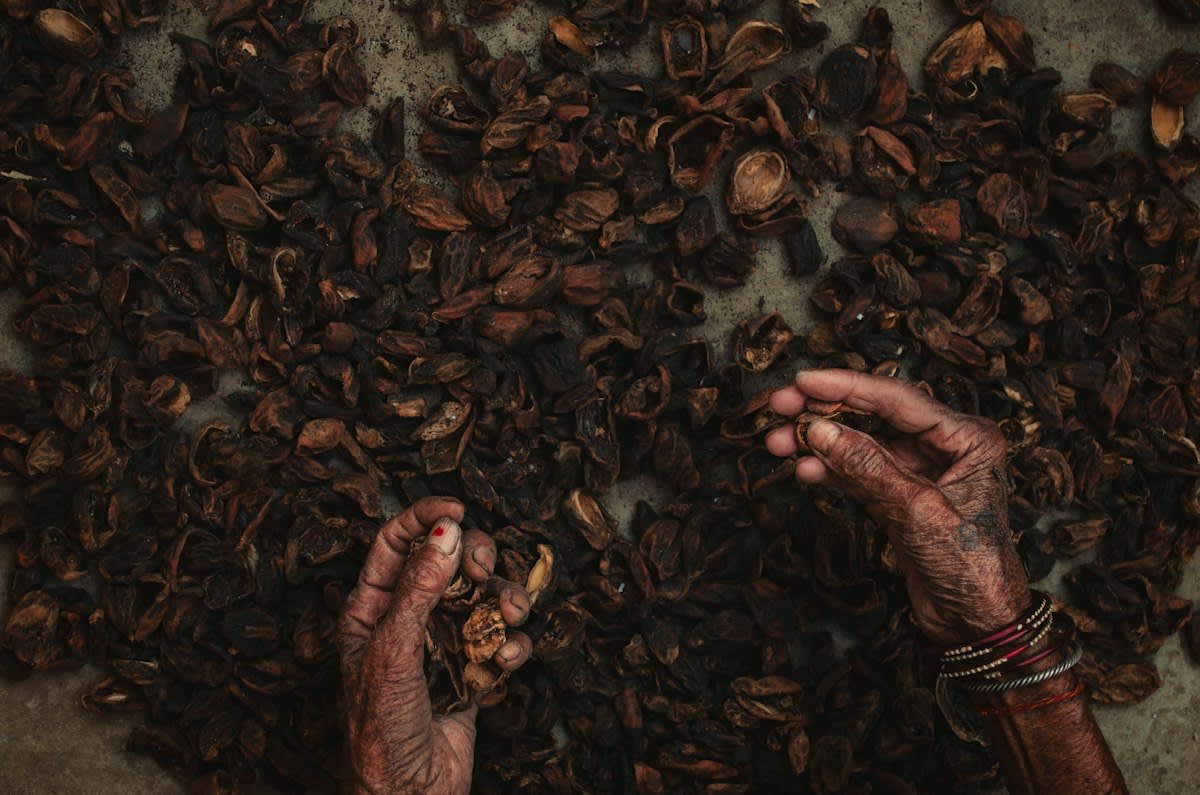
Gold is a ghost. While institutional investors hoard yellow metal in sterile vaults to escape inflation, farming communities in Uttarakhand are securing their future through indigenous seed priming techniques that guarantee harvests during extreme climatic variability (Source: Agri-India Today, 2026). Utility beats speculation here. Why trust a metal that cannot grow when you can hold a genetic asset that feeds a village? This transition suggests a hard turn toward biological assets as the primary store of value for those facing the most acute economic pressures.
Value is shifting. In Southern Taraba, Nigeria, the role of indigenous knowledge in biodiversity conservation is no longer a cultural relic but a critical economic strategy for arable crop farmers (Source: AMJSAI, 2026). These farmers prioritize seeds that adapt to their specific terrain over imported varieties that require expensive chemical inputs. The grip of traditional seed saving is tightening.
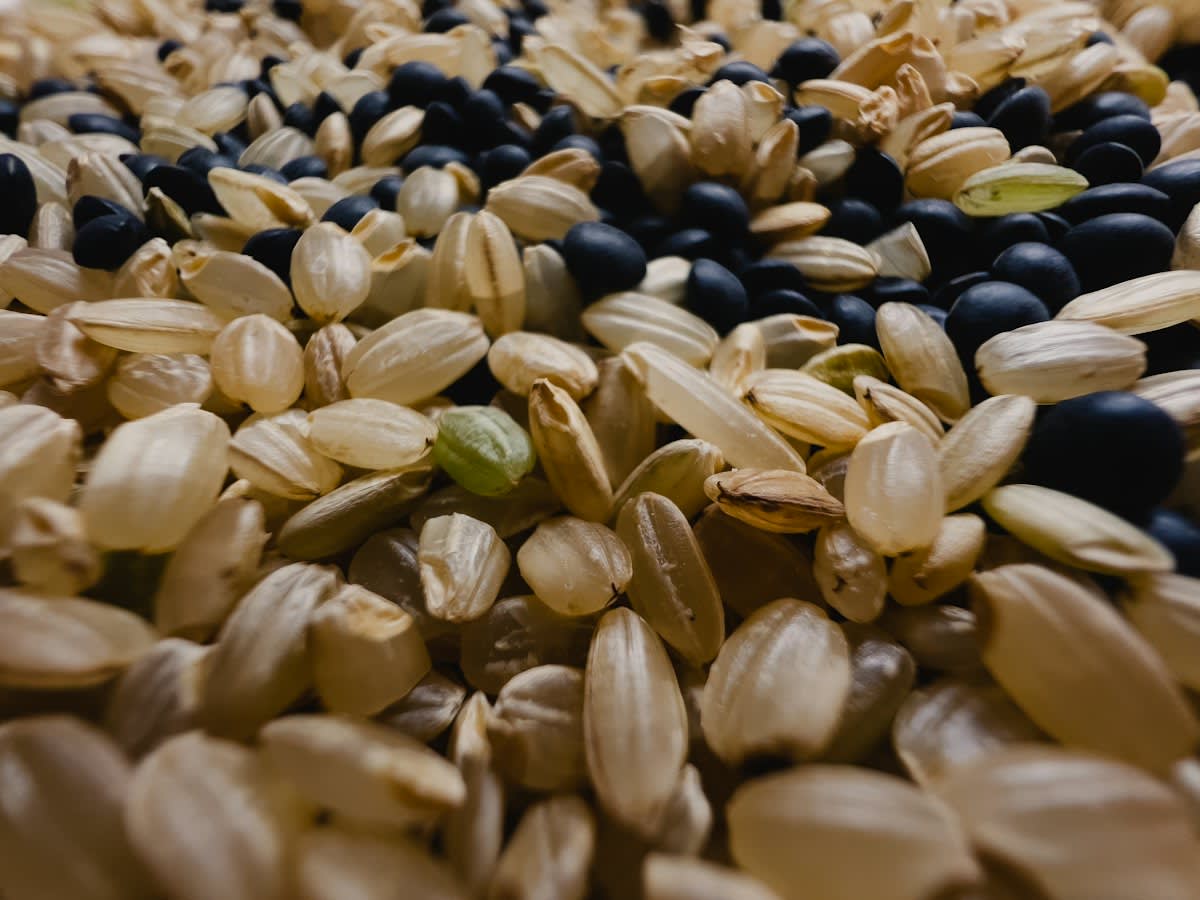
"These practices should not all be labelled simply as seed priming; a water-soaking treatment is closer to hydropriming, whereas coating seeds with a botanical preparation or microbial formulation may be better classified as a distinct technological intervention."— Vanshika, Department of Horticulture at Hemvati Nandan Bahuguna Garhwal University
Logic is evolving. The current movement toward seed priming in vegetable crops aims to sustain productivity and ensure economic security for farming communities regardless of whether a season brings abundance or adversity (Source: Agri-India Today, 2026). By treating seeds with botanical preparations, farmers eliminate the need for volatile chemical markets. This creates a closed-loop economy.
Experts are debating. Within the agricultural sector, a sharp conflict exists between academic researchers and indigenous practitioners over the definition of seed priming, specifically regarding whether botanical coatings qualify as priming or a separate class of seed treatment (Source: Agri-India Today, 2026). Practitioners view these labels as irrelevant distractions from the actual yield increases they observe on the ground. This friction reveals a gap between theoretical science and survival-based innovation.
The Global Delta: 2025 vs 2026
Trends are accelerating. Twelve months ago, the focus remained on the adoption of modern chemical fertilizers in Ethiopia and Ghana to drive yield growth (Source: AMJSAI, 2026). Now, the narrative has shifted toward validating indigenous knowledge and using seed endophytes to help crops fight diseases and environmental stress (Source: Agri-India Today, 2026). Local autonomy is winning.
| Asset Type | Primary Value Driver | Economic Risk | Utility Level |
|---|---|---|---|
| Gold | Market Speculation | Liquidity Volatility | Zero |
| Indigenous Seeds | Biological Adaptation | Environmental Stress | High |
| Modern Hybrids | Corporate R&D | Input Dependency | Medium |
Markets are reacting. Even in high-income regions like Oregon, low-income areas are bypassing traditional supermarkets to build confidence through seed-to-supper gardening initiatives (Source: OSU Extension, 2026). These gardeners are discovering that the ability to dry and roast their own sunflower or pumpkin seeds provides a long-term food security hedge (Source: OSU Extension, 2026). Self-reliance is the new currency.
Costs are plummeting. By moving away from chemical seed treatments, farmers in Odisha and Uttarakhand are reducing their exposure to global supply chain shocks that typically drive up the price of synthetic inputs (Source: Agri-India Today, 2026). They use eucalyptus and mint as botanical protectors for stored seeds instead of expensive fungicides. This is a financial victory.
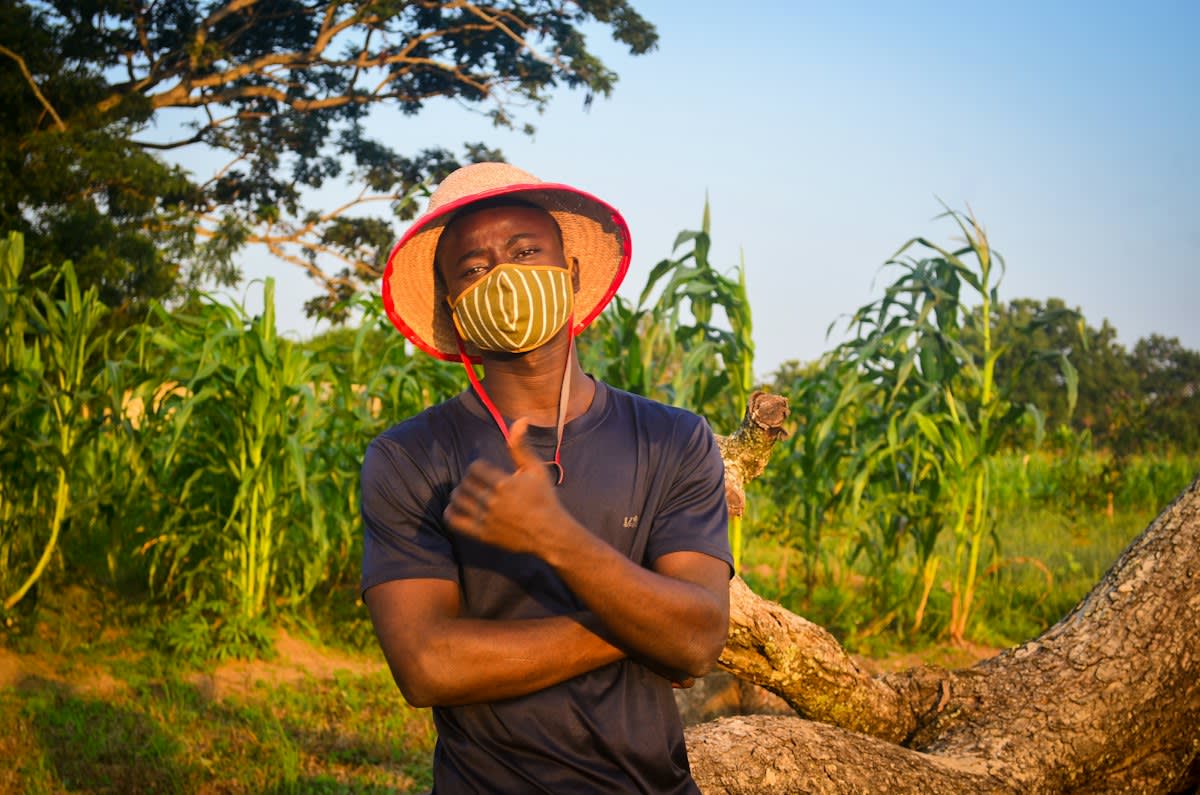
Risk is redistributing. The reliance on a single global price for gold is brittle compared to the diversified biological portfolio of a farmer in Southern Taraba (Source: AMJSAI, 2026). If one seed variety fails, another thrives because the indigenous knowledge system preserves multiple genotypes. Diversification is now biological.
Fact-Check & Accuracy Note
The data cited draws from peer-reviewed newsletters and academic journals published in late 2026, including Agri-India Today and the African Multidisciplinary Journal of Sciences and Artificial Intelligence. A primary area of academic debate remains the scientific validation of indigenous seed treatments versus the standardized definitions of hydropriming and seed priming.
Who holds power? When the ability to produce food is decoupled from corporate seed patents and chemical dependencies, the economic leverage shifts back to the producer (Source: Agri-India Today, 2026). We see this in the adoption of conservation agriculture in the Honduran hillsides, where collective action creates organic marketing channels (Source: AMJSAI, 2026). Power follows the seed.
Wealth is redefining. The old guard views a seed as a commodity to be sold, but the new trend treats the seed as a permanent capital asset (Source: AMJSAI, 2026). By focusing on biodiversity conservation in Nigeria, farmers are essentially building a biological bank account that pays dividends in every harvest. The vault is the soil.
Editorial Note
Editorial Note: This report avoids the traditional 'crisis' narrative surrounding food security, focusing instead on the proactive adaptation of farming communities in the Global South.
Nature is calculating. Seed endophytes are now being leveraged to help crops fight environmental stress, turning the plant's own internal biology into a defense mechanism (Source: Agri-India Today, 2026). This biological upgrade reduces the financial weight of crop failure. Efficiency is the goal.
Can seeds replace gold? For a trader in London, the answer is no, but for a farmer in Taraba or Uttarakhand, the answer is already yes (Source: AMJSAI, 2026; Agri-India Today, 2026). Seeds provide the one thing gold never can: the literal means of survival and reproduction of wealth. The transition is complete.