Why McDonald's, KFC And Nestle Are Avoiding Price Hikes Despite Inflation
Source Entity
NDTV News Search Records Found 1000
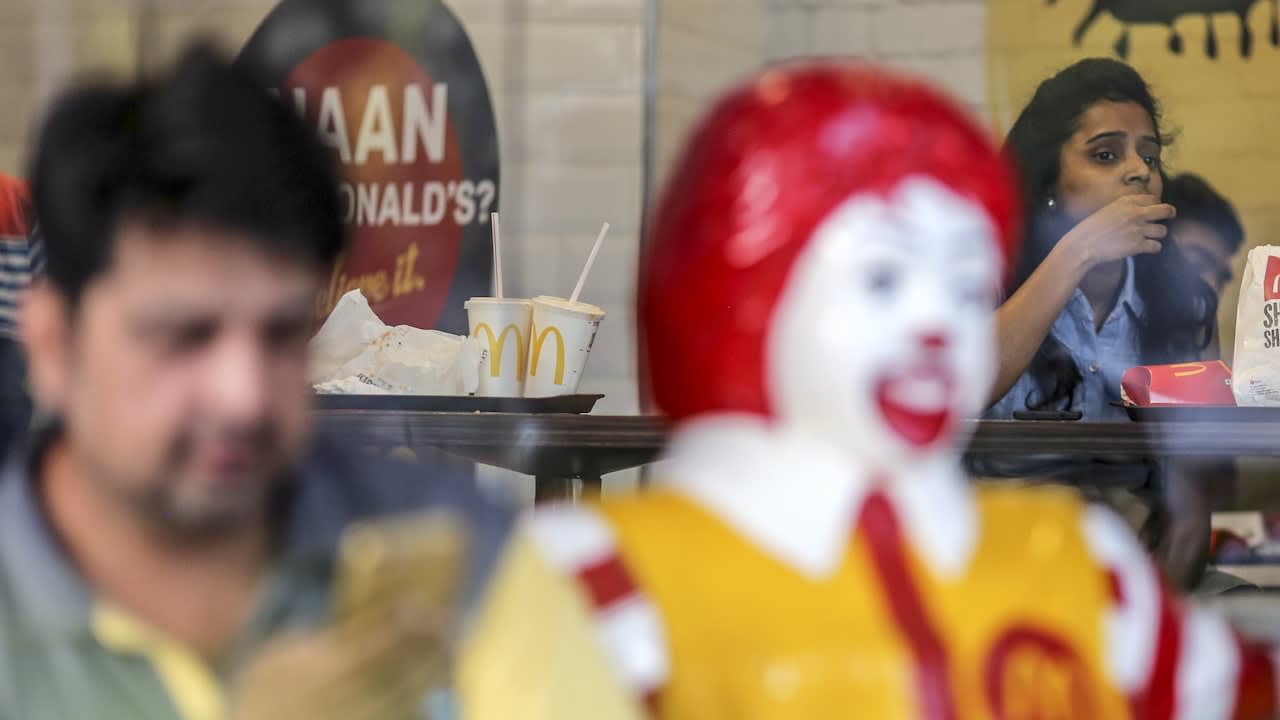
Major corporations like McDonald's, KFC, and Nestle are resisting price hikes to maintain consumer demand amid inflation. Analysts warn that domestic economic activity may soften after December as persistent costs continue to erode purchasing power.
The Strategic Dilemma of Global Food Giants
In an economic climate defined by persistent inflationary pressures, major multinational corporations including McDonald's, KFC, and Nestle are currently navigating a delicate balancing act. Despite rising operational costs, these industry leaders are consciously choosing to avoid passing the full burden of inflation onto consumers through price hikes. This strategy is rooted in the recognition that aggressive pricing could alienate a core customer base that is already feeling the significant strain of increased costs across essential goods.
The Impact of Eroding Purchasing Power
The primary driver behind this restraint is the observable decline in consumer purchasing power. As inflation persists, households are forced to prioritize essential spending, leading to a tightening of discretionary budgets. For fast-food chains and processed food manufacturers, this shift in consumer behavior presents a significant risk. By holding prices steady, these companies are attempting to preserve market share and maintain volume, even if it means sacrificing short-term profit margins.
Economic Forecasts: A Softening Horizon
Market analysis suggests that the current resilience in spending may be temporary. Experts indicate that domestic economic activity is likely to soften significantly after December. This anticipated deceleration is attributed to the cumulative effect of elevated costs which, over time, inevitably erode the disposable income of the average consumer. This period of cooling activity poses a challenge for businesses that have relied on steady demand to offset the pressures of supply chain inflation.
Balancing Profitability and Market Share
Companies like Nestle, McDonald’s, and KFC operate on thin margins where volume is critical. Implementing price increases in a sensitive market can trigger a 'substitution effect,' where consumers move toward cheaper alternatives or cut back on consumption entirely. By absorbing costs, these corporations are signaling a focus on long-term brand loyalty over immediate financial gains, hoping to wait out the inflationary cycle without losing their foothold in the competitive food and beverage sector.
Future Trends and Market Stability
Looking toward the future, the ability of these firms to maintain this policy will depend heavily on the stabilization of raw material costs and global supply chain logistics. If inflationary trends do not abate, the strategy of avoiding price hikes will become increasingly difficult to sustain. The upcoming months will be a critical test of whether these corporate giants can successfully navigate the narrowing gap between rising operational overhead and the declining financial capacity of their global customer base.
Verification Required?