Trump, Musk back Nvidia CEO Jensen Huang amid China spy controversy
Source Entity
The Indian Express
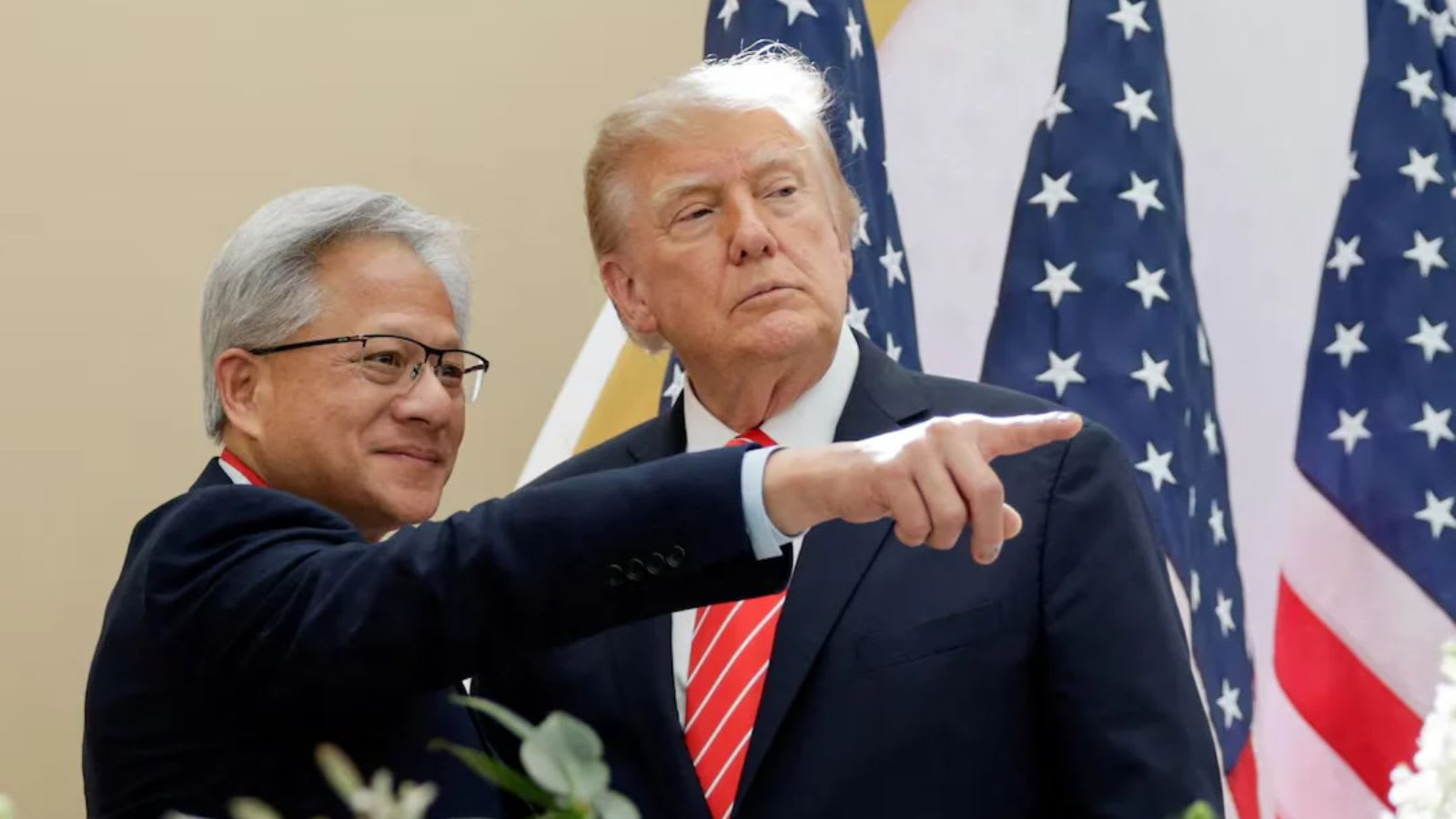
Nvidia CEO Jensen Huang is facing bipartisan congressional scrutiny and an internal company investigation following reports of a relationship with a woman suspected of being a Chinese intelligence asset. Huang has admitted to the affair and apologized, while Nvidia insists its national security protocols remain intact.
The Nvidia Intelligence Crisis: An Overview
The technology sector is currently reeling from reports that Nvidia CEO Jensen Huang engaged in a romantic relationship with Alice Huang, a former executive at the Singapore-based firm Megaspeed. US government memos cited in recent reports indicate that intelligence agencies suspect Alice Huang of being an operative for China’s Ministry of State Security. This intersection of high-stakes corporate leadership and alleged foreign espionage has triggered significant alarm within the halls of Congress.
Congressional Scrutiny and National Security
The implications of this relationship extend far beyond personal conduct. Given Nvidia’s status as the world’s most critical supplier of AI hardware, the company is viewed as a vital pillar of American national security. Three House Republican committee chairs have formally requested a closed-door briefing with Jensen Huang on November 18 to address these ties and evaluate the robustness of Nvidia’s anti-espionage safeguards. The bipartisan nature of this concern is underscored by Senator Chris Coons, who has signaled that the Senate Foreign Relations Committee will prioritize investigating these potential security lapses under his future leadership.
Corporate Governance and Internal Investigations
In response to the mounting pressure, Nvidia has launched an independent internal investigation to determine whether any proprietary information, trade secrets, or national security interests were compromised during the duration of the relationship. While the board has publicly maintained that they have no evidence of a security breach, the optics of the situation have forced the CEO to address the matter directly. Jensen Huang has issued a formal apology, admitting to being unfaithful to his wife and acknowledging that he failed to meet the high standards expected of his position.
The Geopolitical Dimension
The timing of these revelations is particularly sensitive, occurring amidst a broader, intensifying technological cold war between the United States and China. Nvidia’s hardware is the backbone of modern artificial intelligence, a field considered a primary frontier for global dominance. The possibility that a key industry figure could be compromised—even if only through personal entanglement—raises existential questions about the vulnerability of the domestic semiconductor supply chain to foreign intelligence operations.
Future Trends and Accountability
Looking forward, this event is likely to catalyze a new era of stringent oversight for tech executives. As lawmakers demand answers regarding what previous administrations knew about these risks, we can expect a shift toward more rigorous vetting processes for leaders of companies that handle critical infrastructure. The outcome of the upcoming congressional briefings will be a bellwether for how the US government balances the autonomy of private tech giants with the absolute necessity of protecting intellectual property and national security from foreign state actors.
Conclusion
While Jensen Huang remains committed to leading Nvidia, the road ahead is fraught with legal and political hurdles. The company must navigate the dual challenge of restoring public trust and satisfying federal investigators that their technological crown jewels remain secure. Whether this incident results in a permanent change in corporate governance or serves as a cautionary tale for the industry at large, the intersection of AI, espionage, and executive accountability has become the defining story of the current corporate landscape.
Multiple Citing Sources