Trump says FBI investigating Nvidia boss's affair with alleged Chinese spy
Source Entity
BBC News
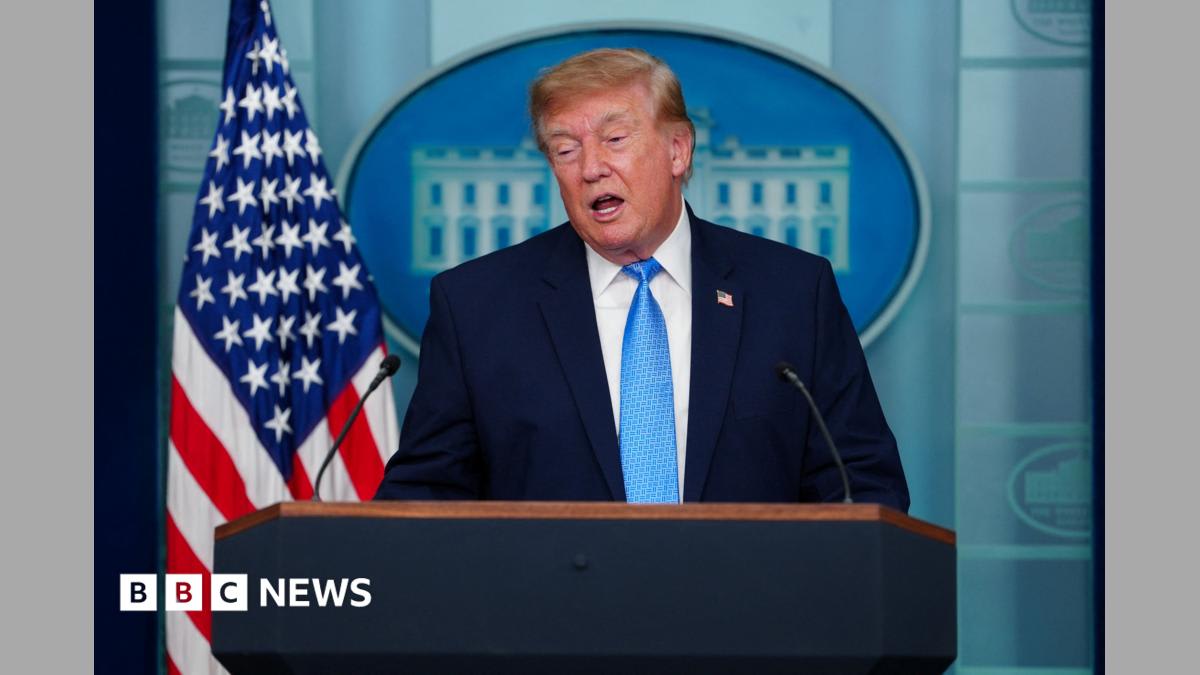
Nvidia CEO Jensen Huang is under investigation following reports of a personal relationship with a suspected Chinese intelligence asset. The controversy has triggered bipartisan congressional scrutiny and an internal probe by Nvidia's board.
The Intersection of Personal Conduct and National Security
The revelation that Nvidia CEO Jensen Huang allegedly engaged in a romantic relationship with Alice Huang, a woman identified by U.S. intelligence as an operative for China’s Ministry of State Security, has sent shockwaves through the global technology sector. This development is particularly sensitive given Nvidia’s central role in the artificial intelligence revolution, as the company’s high-end chips are considered critical components of both commercial AI infrastructure and national security assets.
Congressional Oversight and Political Fallout
The political ramifications of this scandal are intensifying as House Republican committee chairs have formally requested a closed-door briefing with Jensen Huang for November 18. The focus of this inquiry is twofold: assessing whether Nvidia’s internal anti-espionage safeguards were bypassed or compromised during the period of the alleged relationship and determining the extent of the firm's exposure to foreign intelligence entities. Senator Chris Coons, D-Del., has signaled that this will be a high-priority issue for the Senate Foreign Relations Committee, raising questions about potential past knowledge of this situation during the prior administration.
Internal Corporate Response
In response to the allegations, Nvidia has initiated an independent investigation to determine if any corporate secrets or national security data were leaked. While the board has publicly stated that they have no current evidence of a breach, the mere perception of a vulnerability in a company as vital as Nvidia creates significant market uncertainty. Jensen Huang has publicly addressed the matter, admitting to being "unfaithful" to his wife and taking "full responsibility" for his actions, while expressing a commitment to continue his leadership role at the company.
The Geopolitical Context of Tech Espionage
This incident highlights the extreme pressures placed on Silicon Valley executives as they navigate the competing demands of the global market and national security mandates. The relationship with a suspected Ministry of State Security asset places Nvidia at the center of a much larger struggle between the U.S. and China over AI supremacy. Historically, the U.S. government has maintained strict export controls on advanced semiconductors, and any suggestion that a primary supplier might have compromised internal security protocols will likely lead to further legislative crackdowns on the industry.
Future Trends and Market Implications
Looking ahead, this situation suggests a new era of corporate governance where the personal lives of CEOs in critical tech sectors are increasingly subject to national security vetting. Investors and regulators will likely demand more stringent compliance frameworks to ensure that personal relationships do not become conduits for industrial espionage. As Congress continues its investigation, the outcome will likely dictate future policy regarding how "critical infrastructure" tech companies manage their leadership's interactions with foreign nationals, potentially altering the landscape of corporate diplomacy in the AI age.
Multiple Citing Sources