Abhishek Banerjee's birthday turns into BJP-TMC showdown in Bengal: What we know
Source Entity
VIJAYA SRIVASTAVA
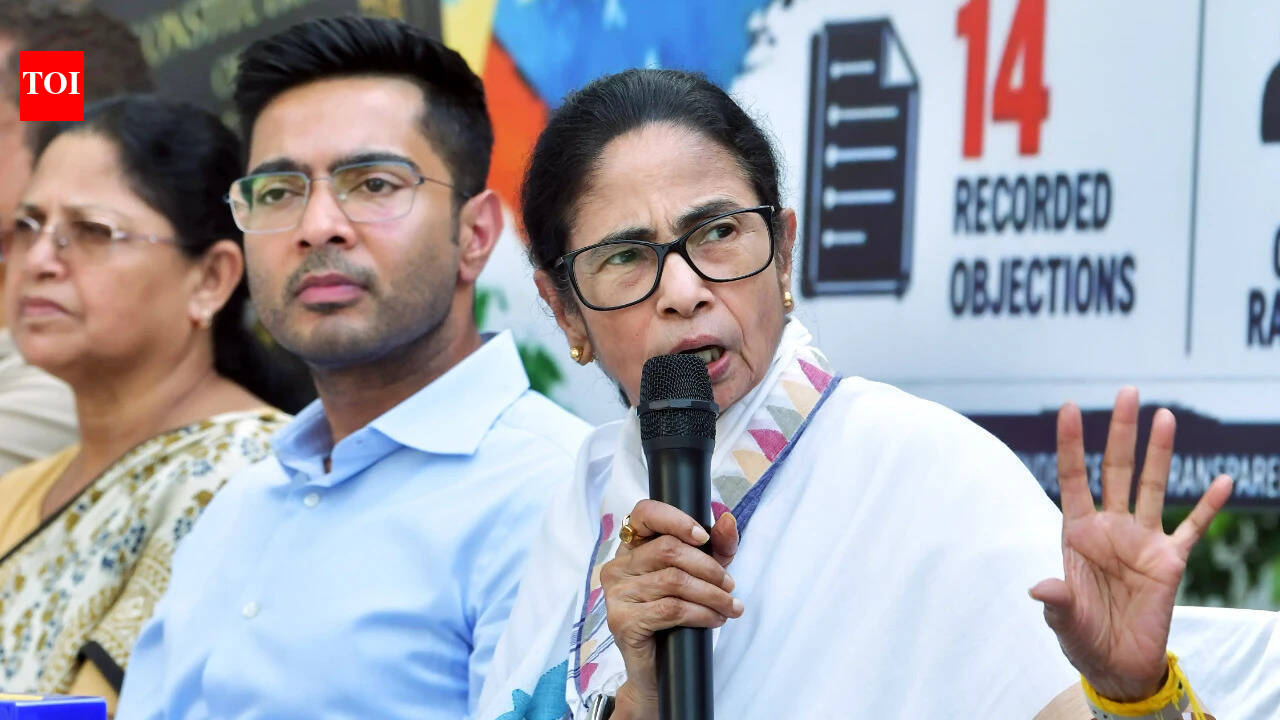
Tensions escalated in West Bengal as TMC leaders alleged a security breach and surveillance at Abhishek Banerjee's residence during his birthday. The incident sparked a heated standoff between the TMC and BJP, with both parties trading accusations of political intimidation and manufactured unrest.
Political Volatility in West Bengal: A Standoff Over Security
The recent events surrounding Trinamool Congress (TMC) national general secretary Abhishek Banerjee’s birthday have transcended personal celebration, manifesting as a significant flashpoint in West Bengal’s volatile political landscape. The incident, characterized by claims of surveillance and alleged threats, has drawn the direct involvement of West Bengal Chief Minister Mamata Banerjee, who has taken the issue to the national stage in New Delhi. This escalation underscores the deepening divide between the ruling TMC and the opposition Bharatiya Janata Party (BJP) in the state.
The Allegations of Surveillance and Inaction
At the heart of the controversy are the grave allegations leveled by Abhishek Banerjee regarding a two-day surveillance operation conducted at his private residence. These claims were compounded by accusations of a planned attack, with Banerjee publicly criticizing local law enforcement for what he termed a deliberate lack of action. By framing the incident as a security failure, the TMC is attempting to highlight an alleged nexus between administrative negligence and political hostility, aiming to put the state machinery under intense scrutiny.
The BJP’s Rebuttal and Counter-Narrative
In response to these serious charges, the BJP has categorically rejected any involvement in the alleged intimidation. Instead, the opposition party has shifted the focus toward the nature of the gathering at Banerjee’s residence, suggesting that the heightened activity was a result of the birthday celebrations rather than a targeted political operation. This counter-narrative serves to delegitimize the TMC’s claims of victimhood, framing the incident as a calculated attempt by the ruling party to generate political sympathy and divert attention from other governance issues.
National Implications and Legislative Pressure
The conflict has reached beyond the borders of West Bengal, with Mamata Banerjee utilizing her presence in New Delhi to internationalize the issue. By joining protests and formally writing to the Lok Sabha Speaker, the Chief Minister is signaling that the TMC intends to escalate these grievances to the highest legislative levels. This move indicates a strategy to pressure central authorities to intervene or acknowledge the perceived erosion of security for opposition figures, thereby turning a local law-and-order dispute into a national parliamentary debate.
Historical Context and Future Trends
West Bengal has long been a theater of intense political rivalry, where localized incidents frequently act as catalysts for broader systemic confrontations. The current standoff is consistent with the pattern of friction between the TMC and BJP, where every administrative or security grievance is quickly politicized to consolidate regional support bases. As these parties continue to leverage such incidents to mobilize their respective cadres, the trend suggests a move toward even more aggressive political posturing, likely leading to further parliamentary obstruction and public protests in the coming months.
Conclusion: A Cycle of Escalation
Ultimately, the standoff surrounding Abhishek Banerjee’s residence reflects the fragile state of political discourse in West Bengal. With the TMC demanding accountability for alleged surveillance and the BJP dismissing the claims as theatrical, the situation remains at a stalemate. As both sides dig in, the prospect for de-escalation appears minimal, ensuring that this incident will remain a central pillar of the ongoing political friction in the region.