Louisiana landowners lose pipeline canal damage case as lawsuit filed too late
Source Entity
TOI WORLD DESK
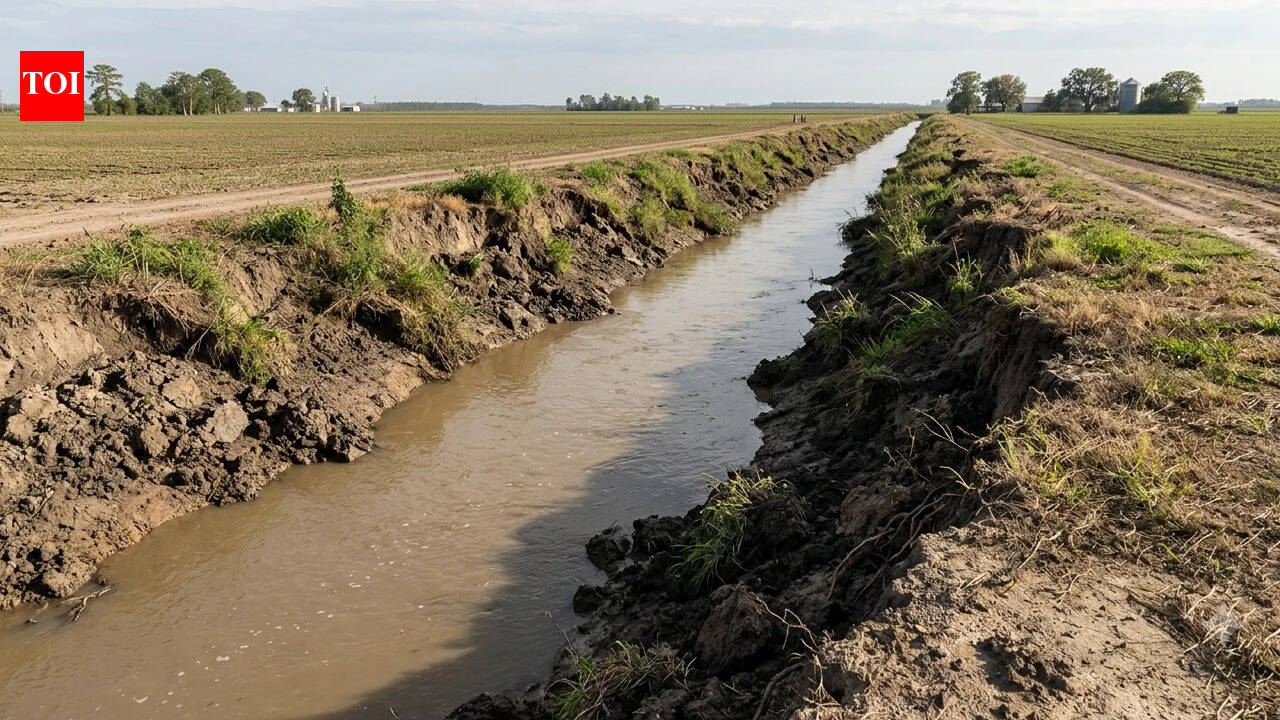
A Louisiana appeals court has dismissed a lawsuit filed by two lumber companies against a gas firm regarding canal-related land damage. The court ruled the claims were time-barred because the landowners were aware of the erosion decades before filing suit.
Legal Setback for Louisiana Landowners in Canal Erosion Case
In a significant ruling for the energy and land-use sector, an appeals court in Louisiana has upheld the dismissal of a lawsuit filed by two lumber companies against a gas firm. The plaintiffs had sought damages, alleging that canals constructed or utilized by the gas company had widened over time, causing irreversible erosion and physical degradation to their property. This legal conflict highlights the ongoing tension between industrial infrastructure development and the environmental preservation of Louisiana's fragile coastal and marshland areas.
The Doctrine of Prescription and Timeliness
The court’s decision rested primarily on the legal principle of prescription, which effectively acts as a statute of limitations. The justices concluded that the lumber companies had waited far too long to seek legal recourse. According to the court, the evidence demonstrated that the landowners were cognizant of the erosion patterns and the widening of these canals decades before the 2018 lawsuit was initiated. By failing to act within the prescribed legal window, the companies forfeited their right to seek damages, regardless of the severity of the land loss.
Industrial Responsibility and Duty of Care
A central point of contention in this litigation was whether the gas company held a continuous duty to maintain the canals in a way that prevented environmental degradation. The court ultimately ruled that the defendant had no inherent duty to maintain the canals under the specific legal framework governing this dispute. This establishes a precedent that, absent specific contractual obligations or regulatory mandates, operators may not be held liable for the long-term, passive environmental consequences of infrastructure that has been in place for extended periods.
The Argument for Continued Damage
The plaintiffs attempted to argue that the continuing nature of the erosion should have allowed their case to proceed, suggesting that each instance of land loss constituted a new tort. However, the appellate court rejected this interpretation, maintaining that the initial awareness of the damage triggered the clock for filing. The court's refusal to accept the "continuing damage" theory serves as a reminder to corporate landowners that they must proactively monitor and legally challenge environmental impacts as soon as they are identified, rather than waiting for cumulative damage to reach a threshold of financial severity.
Judicial Dissent and Future Implications
It is noteworthy that the ruling was not unanimous. One judge dissented, arguing that the case warranted further examination, which suggests that the complexity of environmental litigation in Louisiana remains a point of debate even within the judiciary. This dissent hints at the potential for future litigation where landowners might attempt to frame environmental degradation differently to bypass strict prescription timelines. Nevertheless, for now, the energy sector gains a measure of legal certainty regarding legacy infrastructure projects.
Conclusion
This case underscores the critical importance of diligence in property law, particularly regarding industrial land use in Louisiana. As coastal erosion continues to be a pressing issue for the state, this ruling clarifies that courts will strictly enforce filing deadlines even in cases involving significant environmental change. Landowners must remain vigilant, as the window for legal action against historical infrastructure projects is narrow and unforgiving.