Diwali Muhurat Trading 2026: 3 Stocks With 25% Potential Upside
Source Entity
NDTV News Search Records Found 1000
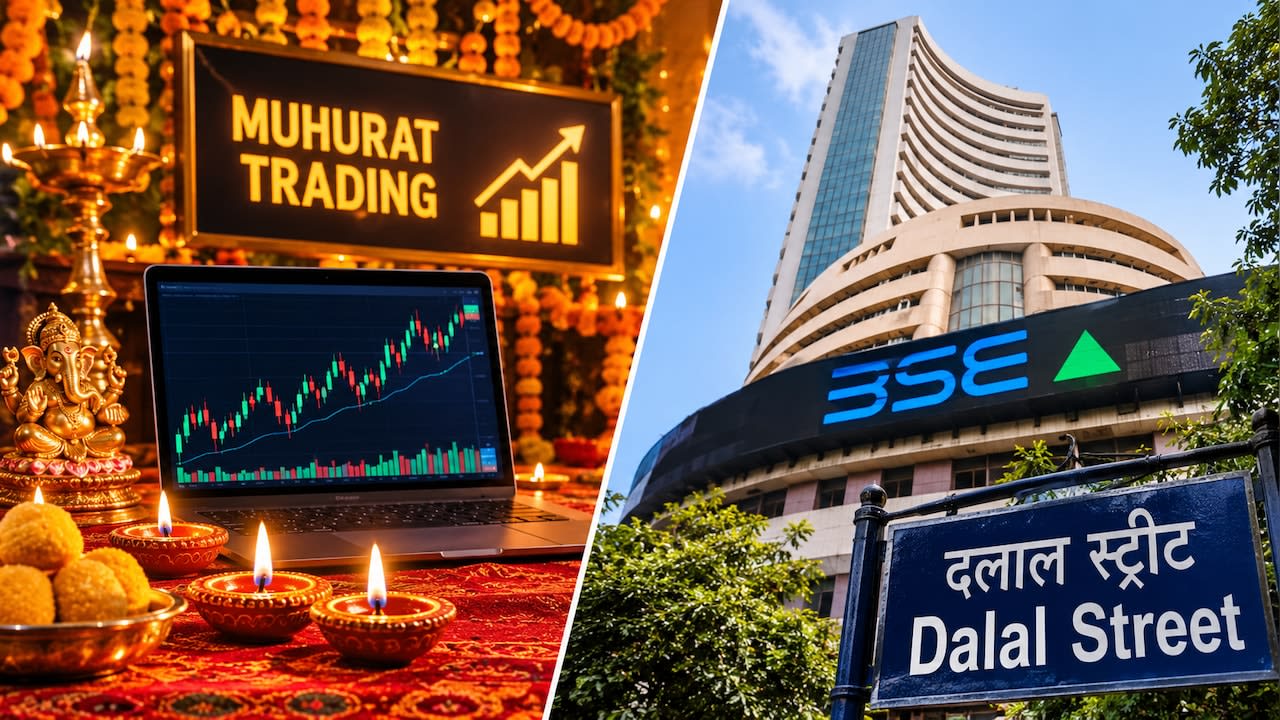
Diwali Muhurat trading has evolved from a traditional ritual into a strategic financial opportunity for Indian investors. While customs like gold purchases remain, there is a growing shift toward quality-focused stock investments and digital financial planning.
The Evolution of Diwali Muhurat Trading: Ritual Meets Strategy
Diwali, beyond its cultural and religious significance, has long functioned as a cornerstone of the Indian economic calendar. Traditionally, the festival marked the beginning of a new financial year for traders, symbolized by the closing of old bahi-khatas (ledger books) and the opening of new ones. Today, this tradition has migrated from physical accounting to the digital age, reflecting a broader modernization of Indian financial habits.
Muhurat Trading: A Strategic Pivot
While Muhurat trading is often perceived as a symbolic hour of stock market activity, contemporary financial experts emphasize that it should be treated as an opportunity for considered decision-making rather than a speculative gamble. As we approach Samvat 2083, the focus has shifted toward a 'quality-first' investment strategy. Investors are increasingly encouraged to look for stocks with long-term growth potential—such as those identified with 25% upside potential—rather than viewing the hour merely as a ceremonial act.
The Changing Landscape of Festive Spending
Historically, the festival was synonymous with the 'gold rush' on Dhanteras, where households prioritized the acquisition of precious metals as a secure store of value. While this tradition persists, the modern Indian household is diversifying. There is a noticeable surge in the adoption of modern investment tools, including mutual funds and equity markets, reflecting a more sophisticated approach to wealth creation that balances tradition with modern capital growth.
Generational Shifts and Digital Adoption
One of the most profound changes is the influence of GenZ and younger investors on these age-old traditions. The transition from manual bahi-khatas to digital ledgers mirrors the younger generation's preference for digital-first investment platforms. This demographic shift is not just changing how money is tracked, but also how it is allocated, favoring transparency and data-driven investment choices over purely sentimental purchases.
Economic Indicators and Consumer Behavior
Experts view the festive season as a vital barometer for India's broader economic health. The festive wallet has become more selective, with consumers balancing high-value traditional purchases against modern financial priorities. This shift provides crucial insights into consumer spending trends, revealing a population that is increasingly conscious of its long-term financial stability while still participating in the cultural festivities that define the Indian economy.
Conclusion: A Balanced Future
Ultimately, the intersection of Muhurat trading and the modern stock market represents the maturation of the Indian retail investor. By blending the auspicious nature of Diwali with disciplined, quality-based investment strategies, individuals are better equipped to navigate the economic year ahead. The evolution of these traditions ensures that while the spirit of Shubh (auspiciousness) and Labh (profit) remains, the methods used to achieve them are more robust, digital, and strategically sound than ever before.
Multiple Citing Sources
Verification Required?