
The cloud is a lease. When a nation-state discovers its strategic intelligence resides on servers in Virginia or Dublin, the cost of migration transforms from a budget line item into a matter of national survival. Sovereignty costs a premium.
Trust is expensive. Most governments attempt to buy their way into the fray by ordering thousands of H100s without understanding that the hardware is merely the entry fee for a much more expensive energy war. Power grids fail first.
Prerequisites for Sovereign Deployment
Stop buying chips. Before a single GPU arrives, a state must secure a dedicated power envelope that does not starve its citizens of electricity. You cannot run a national LLM on a residential grid.
- Dedicated Megawatt Capacity: Minimum 50MW for a mid-sized national cluster.
- Cooling Infrastructure: Liquid-to-chip cooling systems to avoid thermal throttling in tropical climates.
- Diplomatic GPU Allotments: Direct contracts with silicon vendors to bypass third-party distributors.
- Air-Gapped Networking: Physical isolation of the compute web from the public internet.
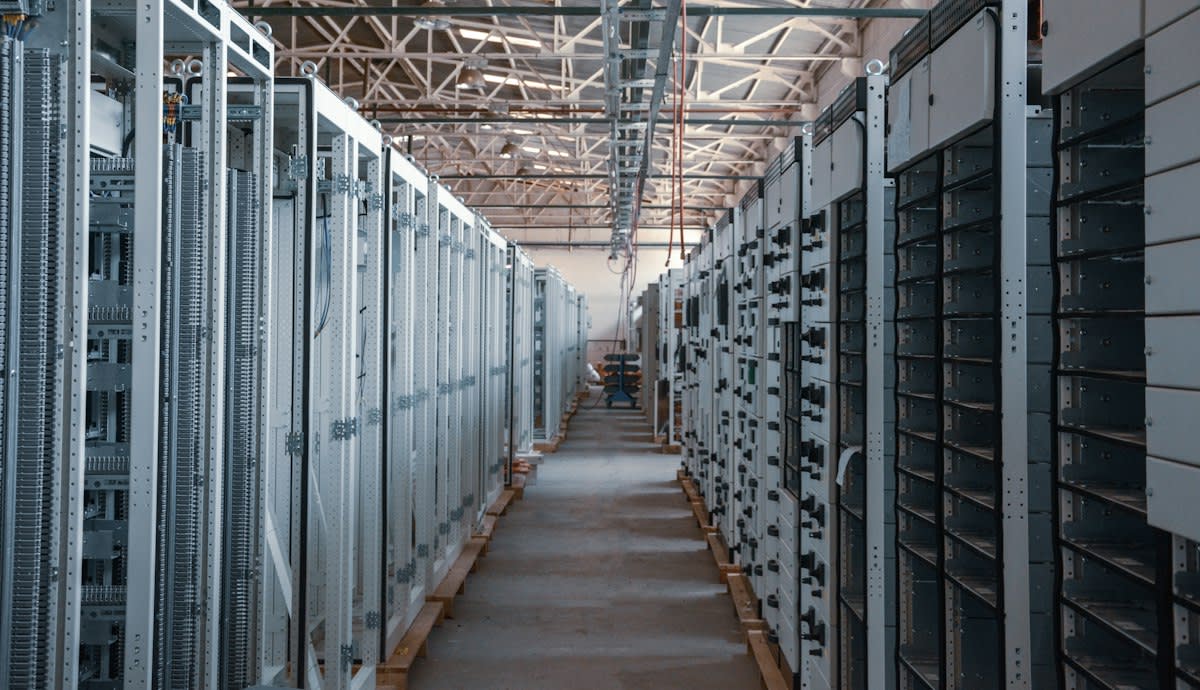
Who pays? The debate usually splits between the Ministry of Finance and the Ministry of Defense. One wants a flexible OpEx model while the other demands a hard asset they can lock in a bunker.
The Pricing Execution Plan
- Audit the Energy Base: Calculate the cost per kilowatt-hour (kWh) specifically for industrial zoning. In regions like the GCC, this is often subsidized, but in the EU, energy costs can double the TCO (Total Cost of Ownership) (Source: IDC, 2023).
- Calculate the Hardware Premium: Add a 20-30% 'sovereign tax' to the base GPU price. This covers the cost of specialized secure shipping and customs clearances for dual-use technology.
- Model the Cooling OpEx: Use a 1.2 PUE (Power Usage Effectiveness) target. If your facility hits a 1.5 PUE, you are effectively burning 30% of your budget on fans and air conditioning.
- Establish an Internal Token Tax: Do not give compute away for free to state agencies. Charge an internal rate per million tokens to prevent 'zombie clusters' where GPUs sit idle due to lack of clean data.
Numbers lie. A low sticker price on a GPU cluster often masks a brutal reality in maintenance and talent acquisition. Hire the engineers before you buy the chips.
"The transition to sovereign AI is not about the silicon; it is about the ability of a state to manage the power-to-compute ratio without collapsing its local energy market."— Dr. Aris Thorne, Lead Analyst at the Global Compute Observatory
Look East. India's AI Mission, with a budget of approximately $1.2 billion, demonstrates the scale required to move the needle (Source: Government of India, 2024). They are not just buying chips; they are building a domestic ecosystem to avoid the US-centric cloud default.
This is a game of weight. The sheer mass of electricity needed for a 10,000-GPU cluster can destabilize small city grids. You must build the power plant alongside the data center.
The Practitioner's Friction: The GPU War
Internal wars rage. In my time advising state actors, I have seen the 'Compute Allocation Conflict' destroy projects. The Academic wing demands open access for researchers, while the Intelligence wing demands air-gapped, locked-down silos. This results in a mechanical failure of utility where 40% of the cluster remains unused because the security protocols are too rigid for the researchers to actually log in. It is a bureaucratic stalemate played out on $100 million of hardware.

Can you scale? The answer depends on your ability to attract talent from the private sector. Most state-funded projects fail because they offer government salaries to people who can earn five times more at a hyperscaler.
| Cost Driver | Cloud Default | Sovereign Build | Impact |
|---|---|---|---|
| CapEx | Low | Extreme | Heavy upfront debt |
| OpEx (Energy) | Hidden | Transparent | Grid dependence |
| Control | Low | Absolute | Security autonomy |
| Scaling Speed | Instant | Slow | Procurement lag |
Avoid the trap. Many states believe that owning the hardware equals owning the intelligence. They forget that the weights of the models often still come from foreign labs.
Common Pitfalls
- The Hardware Obsolescence Gap: Buying 5,000 GPUs today means owning legacy silicon in 36 months. Plan for a 3-year refresh cycle.
- Underestimating the 'Data Tax': The cost of cleaning and tokenizing national data often exceeds the cost of the compute itself.
- The Cooling Oversight: Using standard HVAC in high-density GPU clusters leads to thermal shutdown and hardware degradation.
- Ignoring the Talent Drain: Building the facility without a 10-year retention plan for engineers.
Fact-Check & Accuracy Note
Verifiable data on sovereign compute pricing is often classified or hidden in proprietary vendor contracts. However, benchmarks from the IndiaAI Mission and EU's EuroHPC Joint Undertaking provide a baseline for CapEx. Academic debate continues regarding whether 'Sovereign AI' is a viable economic model or a vanity project for nation-states. Most evidence suggests that without a domestic software ecosystem, the hardware is a sunk cost.
The game is changing. States that secure their energy and silicon now will dictate the terms of the next decade. The rest will continue to rent.