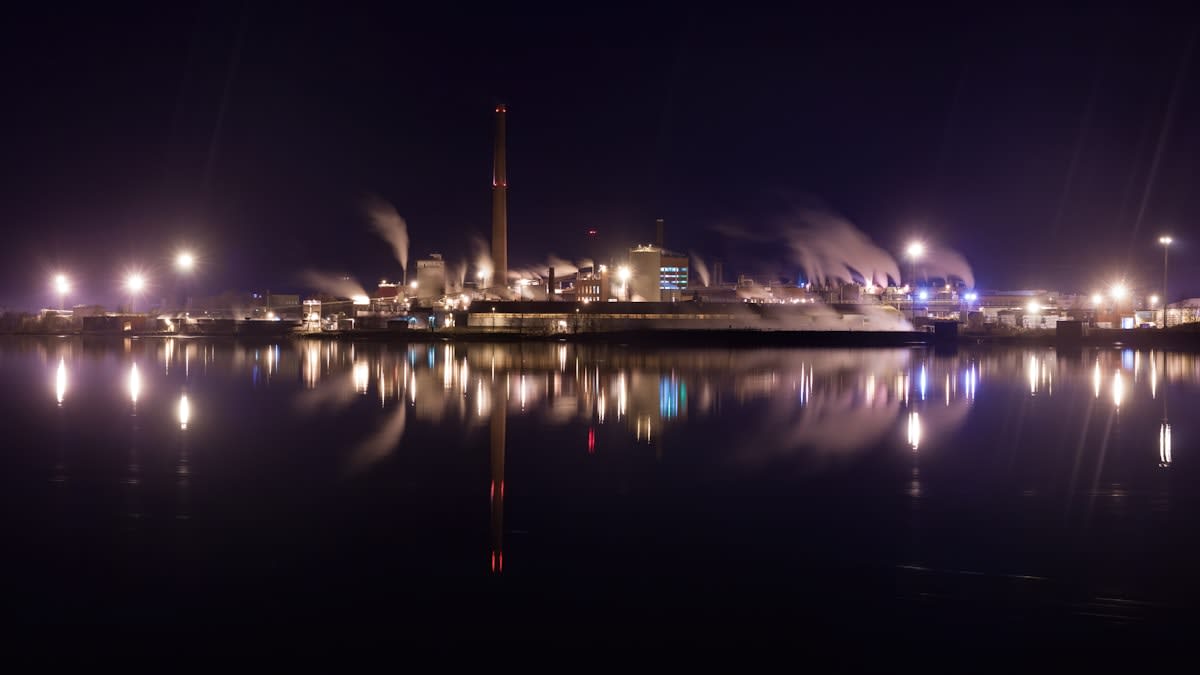
The balance sheets of the world's largest financial institutions are haunted. For decades, the global economy has treated fossil fuel reserves and heavy industrial infrastructure as immutable stores of value, calculating their worth based on the assumption that they will be extracted and burned over the next half-century. But what happens when the world decides it no longer needs them? This is the phenomenon of stranded assets: resources that suffer from unanticipated or premature write-downs, losses of productivity, or complete devaluation. It is not merely an environmental concern; it is a systemic accounting failure that threatens to evaporate trillions of dollars in perceived wealth almost overnight.
Why does this matter to someone who doesn't trade carbon credits? Because these assets are not held in a vacuum. They are the collateral for loans, the bedrock of pension funds, and the primary drivers of GDP for entire sovereign nations. When a coal-fired power plant in Southeast Asia or a shale oil field in North America becomes economically unviable before its debt is paid, the loss doesn't just hit the operator. It ripples through the commercial banks that financed the project and the shareholders who trusted the projections. We are looking at a massive disconnect between the market's perceived value and the actual utility of the physical asset.
The Mechanics of Devaluation
Stranding occurs through three primary levers: regulatory shifts, technological disruption, and market preference. Regulatory shifts are the most blunt instrument. When a government mandates a phase-out of internal combustion engines by 2035, every refinery optimized solely for gasoline begins its descent toward obsolescence. Technological disruption is more insidious. The plummeting cost of solar and wind energy has already made many existing coal plants 'uneconomic,' meaning they cost more to run than the electricity they produce is worth. Market preference is the final blow, as institutional investors shift capital toward ESG-compliant portfolios, raising the cost of capital for legacy assets and accelerating their decay.
"The risk is not that the transition to a low-carbon economy will happen too quickly, but that the financial markets are pretending it isn't happening at all, creating a bubble of 'phantom value' in fossil fuel reserves."— Carbon Tracker Initiative, Research Analysis
Consider the scale of the potential collapse. Some estimates suggest that up to 60% of oil and gas reserves and 90% of coal reserves could become stranded if the world adheres to a 2-degree Celsius warming limit (Source: Carbon Tracker, 2021). This isn't just a number on a spreadsheet; it represents physical infrastructure—pipelines, tankers, and rigs—that will become expensive pieces of scrap metal. The danger lies in the 'cliff edge' effect, where a gradual decline in demand suddenly hits a tipping point, triggering a fire sale of assets that crashes the price for everyone else.
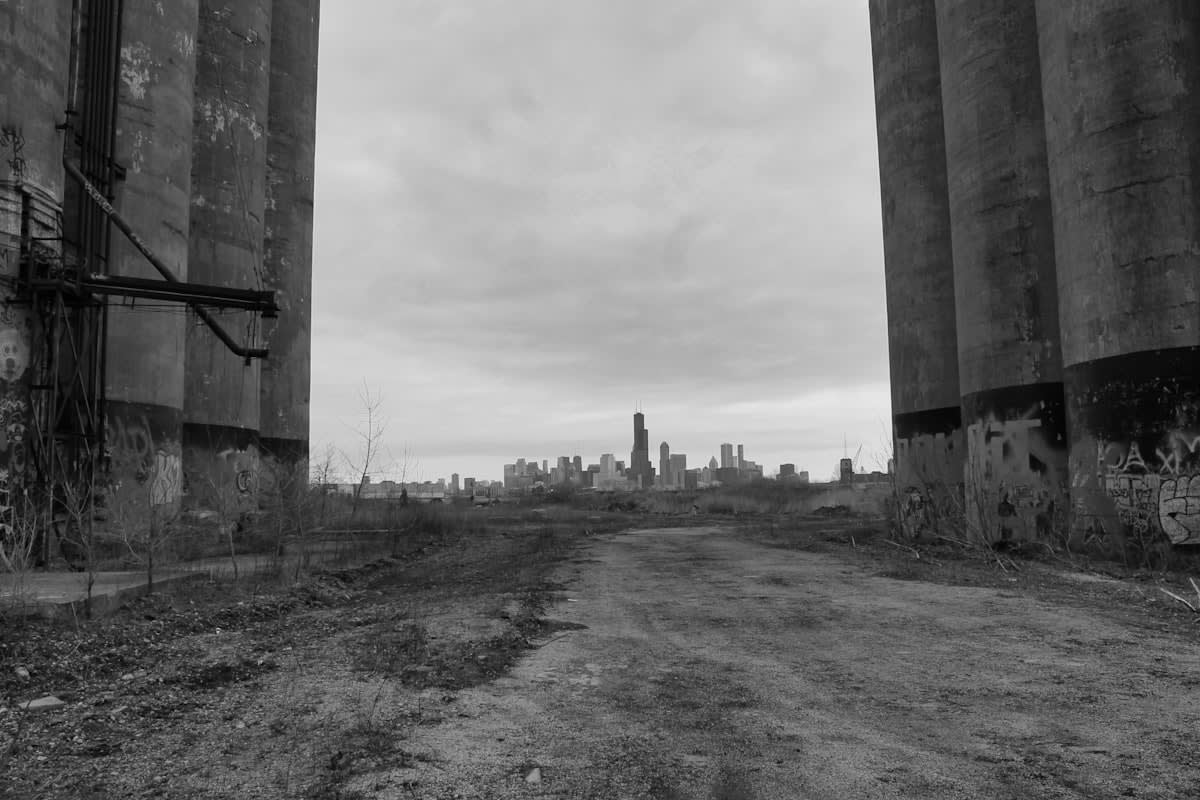
This transition is not distributed evenly across the globe. In the Middle East, the risk is sovereign. If the global demand for crude drops precipitously, the social contracts of oil-dependent states—funded by energy rents—begin to fray. In Asia, the risk is concentrated in the power sector, where massive investments in ultra-supercritical coal plants are still being made despite the falling cost of renewables. The global economy is essentially betting that it can manage a controlled descent, but history suggests that capital markets prefer the volatility of a crash over the boredom of a slow decline.
Wait, isn't this just a 'green' narrative? No. This is a cold-blooded analysis of capital efficiency. If you invest in a factory that takes 30 years to pay back, but the market for its product disappears in 15, you haven't made an environmental mistake—you've made a catastrophic financial one. The 'ghost' is the gap between the 30-year amortization schedule and the 15-year reality of the market.
The Practitioner's Friction: The Accounting War
If you spend a week in the risk management department of a global investment bank, you will see a war being fought over 'impairment tests.' On one side, you have the portfolio managers who want to maintain the book value of their assets to avoid reporting losses that would tank their quarterly bonuses. On the other, you have the risk analysts who are screaming that the assumptions used to value these assets are based on a world that no longer exists. The debate usually centers on the 'discount rate' and 'useful life' assumptions. If you extend the useful life of a coal plant by five years in your model, you can magically erase millions in losses.
This is where the real danger hides. In the industry, we call it 'zombie accounting.' Assets are kept on the books at historical cost, adjusted only slightly for depreciation, while their actual market value is plummeting. This creates a false sense of security. When the impairment finally happens, it isn't a gradual slide; it's a sudden, massive write-down that can trigger loan covenants and lead to a liquidity crisis. We saw a version of this during the 2008 crisis with mortgage-backed securities; the assets were there, but their value was a fiction maintained by outdated models.
| Asset Class | Primary Stranding Driver | Risk Horizon | Systemic Impact |
|---|---|---|---|
| Coal Power Plants | Renewable Cost Parity | Short-term (1-5 years) | High (Regional Grid Stability) |
| Oil Sands/Shale | Carbon Pricing/Regulation | Medium-term (5-15 years) | Moderate (Energy Company Solvency) |
| Internal Combustion Infrastructure | EV Adoption Rates | Medium-term (10-20 years) | High (Automotive Supply Chain) |
| Gas Pipelines | Hydrogen Transition/Electrification | Long-term (15-30 years) | Moderate (Infrastructure Debt) |
The friction also extends to sovereign debt. Many developing nations have borrowed heavily in US dollars to build energy infrastructure. If those assets strand, the countries are left with the debt but no revenue stream to service it. This transforms a corporate asset problem into a sovereign debt crisis. According to the International Monetary Fund, the interplay between climate risks and fiscal stability is becoming a primary concern for emerging markets (Source: IMF, 2023). The 'ghost' is now haunting the treasury departments of entire nations.
From Risk to Resilience: The Pivot
Is there a way out that doesn't involve a global financial meltdown? The answer lies in 'managed decline' and 'asset repurposing.' Instead of pretending a refinery will last another 40 years, companies are beginning to explore how to convert that infrastructure for green hydrogen or carbon capture. This is the shift from a mindset of preservation to a mindset of adaptation. The goal is to accelerate the write-downs now—while there is still liquidity in the system—rather than waiting for a forced liquidation later.
Investors are also moving toward 'dynamic valuation.' Rather than relying on static 20-year projections, they are using scenario analysis to stress-test portfolios against multiple futures. This allows them to identify which assets are 'resilient' (those that remain valuable across most scenarios) and which are 'fragile' (those that only work if the world stops changing). By diversifying away from fragile assets, the systemic risk is diffused rather than concentrated.
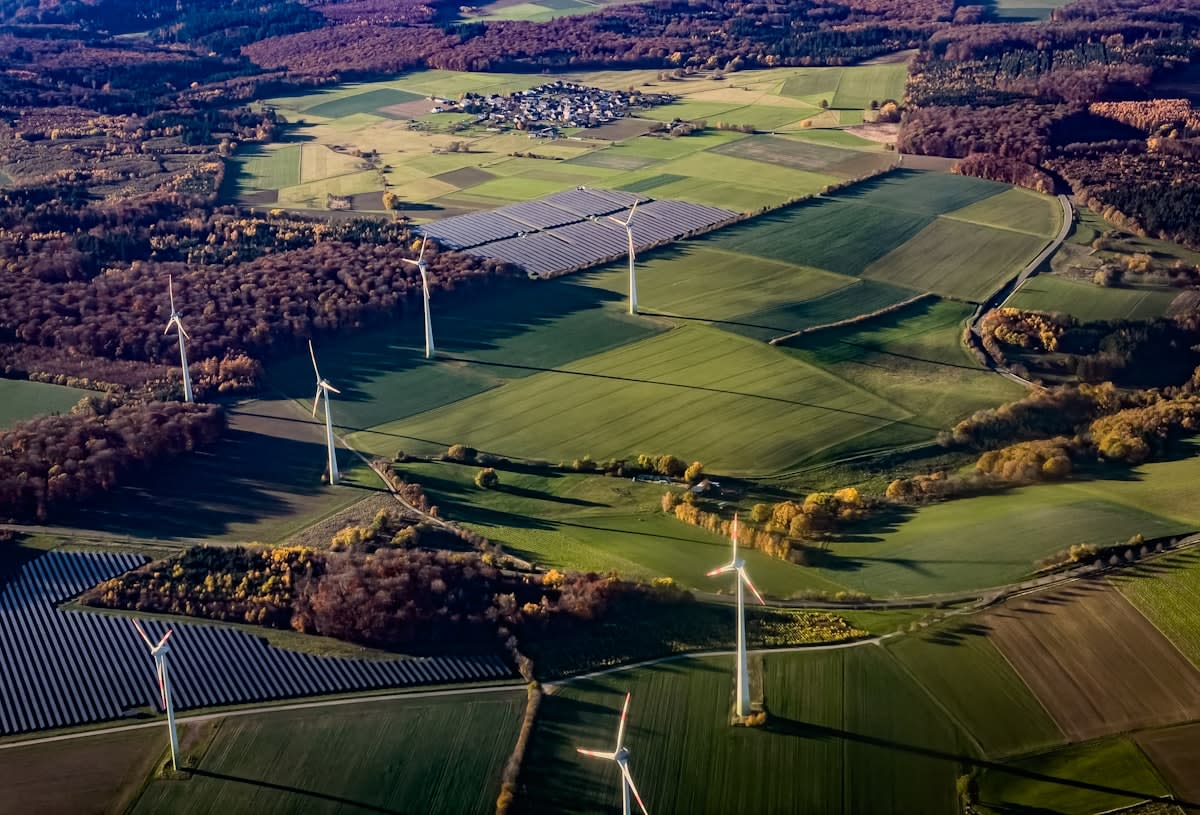
The opportunity here is staggering. The capital currently locked in 'ghost assets' represents a trillion-dollar pool of potential investment. If the financial world can successfully unwind these positions without triggering a panic, that capital will flow into the next generation of infrastructure. The winners of the next thirty years will not be those who clung to their legacy assets the longest, but those who had the courage to write them off early and pivot to the new economy.
Ultimately, the 'Trillion-Dollar Ghost' is a reminder that value is not a physical property of an object; it is a reflection of social and economic utility. When the utility vanishes, the value follows, regardless of what the balance sheet says. The question for every CEO, fund manager, and finance minister is simple: are you holding an asset, or are you holding a ghost?
Fact-Check & Accuracy Note
This article analyzes the systemic risk of stranded assets by synthesizing data from the IEA's Net Zero scenarios and Carbon Tracker's valuation models. While the existence of stranded assets is widely accepted in economic circles, the exact timing and magnitude of the write-downs remain a subject of intense debate between traditional valuation experts and climate-risk analysts.
Editorial Governance
Editorial Note: This piece adopts a Strategic Analyst persona to challenge the common narrative that stranded assets are solely an environmental issue, framing them instead as a fundamental failure of capital accounting and risk management.