'Who At Poll Body Ordered Changes To Form 6?' Rahul Gandhi's Big Question
Source Entity
NDTV News Search Records Found 1000
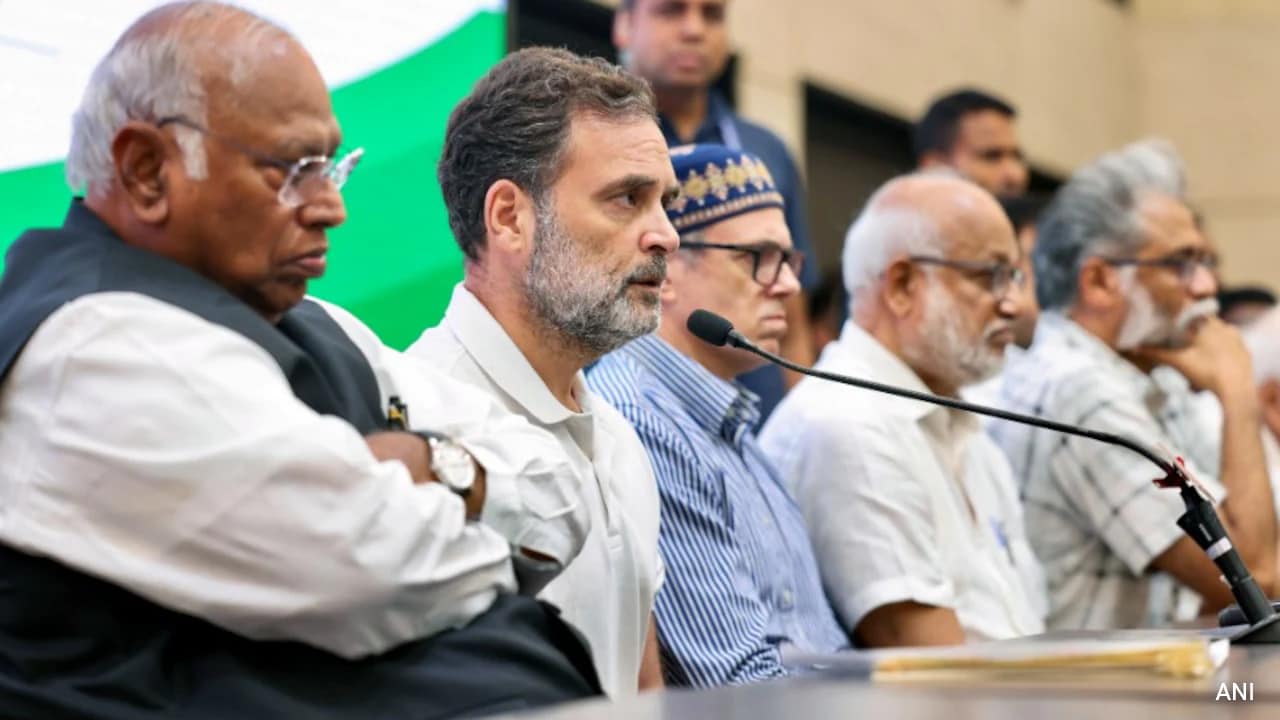
Rahul Gandhi has publicly questioned the Election Commission's decision to remove an additional declaration requirement from Form 6. The move follows the conclusion of Summary Information Report (SIR) processes in specific states.
Scrutinizing Electoral Integrity: The Form 6 Controversy
Recent developments concerning the Election Commission of India’s (ECI) administrative procedures have sparked a significant political debate. Rahul Gandhi, a prominent opposition figure, has publicly questioned the rationale and the chain of command behind the decision to remove an additional declaration requirement from Form 6, the standard document used for voter enrollment. This inquiry centers on the transparency of electoral processes and the potential for external influence on the autonomous body responsible for conducting elections.
Understanding the Administrative Shift
The core of the controversy lies in the ECI’s decision to modify its ECINET application portal. Specifically, the commission has removed the requirement for an 'additional declaration' in Form 6 for states where the Summary Information Report (SIR) process has been concluded. While the ECI manages these technical updates as part of its routine operational maintenance, the timing and the nature of the change—removing a layer of verification—have invited intense scrutiny from political stakeholders who demand heightened transparency in voter registration.
The Role of Voter Verification
Form 6 is the foundational document for any citizen seeking to exercise their democratic right. Any alteration to this form, particularly one that removes a declaration requirement, is viewed by political observers as a change that could affect the integrity of the electoral roll. By questioning 'who ordered' these changes, Rahul Gandhi is highlighting the necessity for accountability within the bureaucratic machinery of the Election Commission, suggesting that even technical modifications should be subjected to public oversight to ensure they do not inadvertently dilute the verification process.
Broader Implications for Electoral Trust
This incident underscores the fragility of trust between political parties and the election management body. In a democracy, the Election Commission acts as the final arbiter of electoral fairness. When administrative decisions are perceived as opaque, it provides fertile ground for political narratives questioning the impartiality of the institution. The demand for transparency regarding the origin of these orders reflects a broader push by the opposition to ensure that the ECI remains insulated from any form of administrative or political pressure that could influence voter enrollment outcomes.
Contextualizing the SIR Process
The mention of the Summary Information Report (SIR) is critical to understanding the scope of this change. The SIR serves as a periodic audit of the electoral rolls. By limiting the removal of the additional declaration to states where the SIR has concluded, the commission implies a streamlining of the process following a successful audit. However, the opposition's skepticism suggests that the transition from a rigorous verification phase to a simplified one may be seen as a strategic loosening of standards, necessitating a clearer explanation from the commission to maintain institutional credibility.
Future Trends in Election Management
As election management becomes increasingly digitized through portals like ECINET, the intersection of technology and policy will continue to be a site of friction. Moving forward, the Election Commission will likely face increased pressure to provide detailed justifications for any changes to digital forms. This incident serves as a precursor to a more rigorous era of oversight, where the 'how' and 'why' of digital administrative changes will be just as important as the electoral outcomes themselves, ultimately shaping the future of democratic accountability in India.
Multiple Citing Sources
Verification Required?