OpenAI’s Dots explained: How its ‘always on’ AI agents work, what they can do
Source Entity
The Indian Express
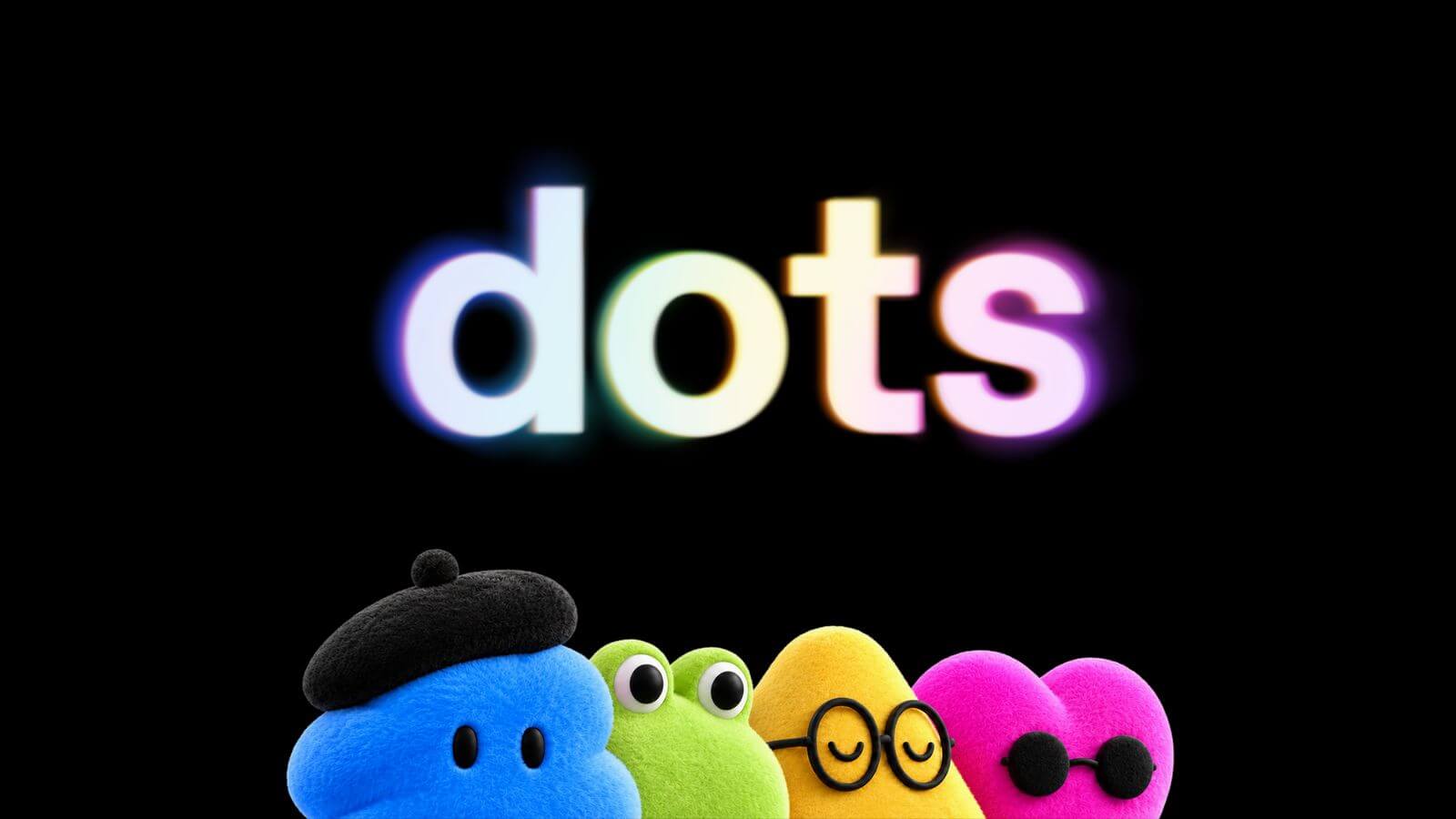
OpenAI has unveiled 'Dots,' a new line of always-on personal AI agents powered by GPT-6 Astra. These agents are designed to handle complex, multi-step tasks across thousands of applications, signaling a direct competitive push against Meta's Muse.
The Rise of Always-On AI: OpenAI Debuts 'Dots'
At its annual developer conference on September 29, 2026, OpenAI officially entered the competitive personal agent market with the introduction of 'Dots.' Described as 'always-on' personal AI agents, Dots represents a significant shift in how users interact with artificial intelligence, moving from reactive chatbots to proactive assistants capable of executing multi-step workflows and managing daily personal tasks.
Technical Foundations and Capabilities
Dots is underpinned by GPT-6 Astra, arguably one of OpenAI's most sophisticated models to date. Unlike traditional AI models that exist solely within a browser window, each Dots agent operates within its own dedicated virtual machine (VM). This architecture, combined with browser access and integration with over 4,000 third-party applications, allows the agents to perform complex operations—ranging from booking restaurant reservations to automating professional invoicing—with a high degree of autonomy.
Competitive Dynamics in the AI Market
OpenAI’s entry into this space comes on the heels of Meta’s successful launch of its 'Muse' AI agent. The market response to Meta’s release has been overwhelmingly positive, with investor confidence driving Meta’s stock up 29% in September. By introducing Dots, OpenAI is clearly positioning itself to challenge Meta’s dominance in the personal agent segment, setting the stage for what industry analysts view as the next major battleground for AI supremacy.
The Hardware-Software Conundrum
Despite the excitement, the industry faces the perennial challenge summarized by the mantra: 'Hardware is hard.' While dedicated AI hardware devices like the Humane AI Pin have historically met with consumer frustration, OpenAI is attempting to bridge this gap by focusing on cutesy, approachable software agents that may eventually transition into physical hardware. Collaborating with former Apple designers, OpenAI aims to ensure these agents feel intuitive rather than cumbersome.
Challenges and Future Outlook
During the live demonstration at the DevDay conference, Dots experienced a few stumbles, highlighting that the technology is still in a refinement phase. However, the agents are designed to learn iteratively from user feedback. As OpenAI and Meta continue to refine these 'always-on' systems, the success of these agents will depend on their reliability and the willingness of users to integrate such high-level automation into their personal and professional lives. The coming year will be pivotal in determining whether these agents become essential daily tools or remain experimental novelties.