Why media fans want to escape algorithms with CDs, DVDs and vinyl
Source Entity
Hacker News
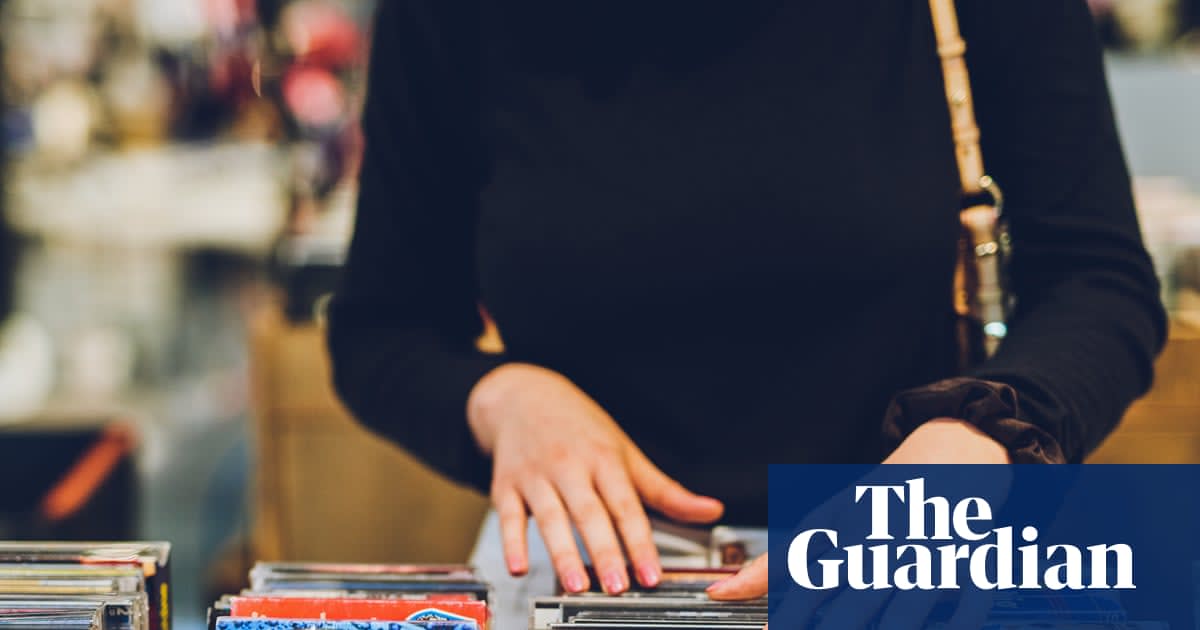
A growing trend of consumers is shifting back to physical media like vinyl, CDs, and DVDs to regain control over their consumption habits. This movement highlights a collective desire to escape the influence of algorithmic curation and enjoy a tactile connection with entertainment.
The Resurgence of Physical Media in an Algorithmic Age
In an era dominated by high-speed digital streaming and the omnipresence of algorithmic curation, a significant cultural shift is underway. Consumers are increasingly turning away from purely digital libraries in favor of physical media, including vinyl records, CDs, and DVDs. This movement represents more than just a nostalgic trend; it is a calculated effort to reclaim personal agency in how media is discovered and consumed, free from the invisible hand of automated recommendation engines.
The Algorithmic Friction
For many, the primary grievance with modern streaming platforms lies in their reliance on algorithms to dictate user experience. While these systems are designed to offer convenience, they often create a feedback loop that narrows the consumer’s horizon. By relying on predictive patterns, platforms strip away the element of serendipity and the personal labor involved in curating one's own taste. As noted by individuals returning to physical formats, the process of manually discovering music or films is not merely a chore, but an essential part of the artistic experience that streaming services inherently lack.
Tactile Connection and Ownership
Beyond the critique of software, there is a profound psychological appeal to physical media. The sensory experience—the sound of a needle dropping on a vinyl record, the mechanical click of a cassette player, or the weight of a disc in hand—provides a sense of permanence that a digital license cannot replicate. In a digital environment, content can be removed, altered, or blocked by licensing agreements at any time. Physical media offers the security of ownership, ensuring that the consumer retains access to their favorite art regardless of shifting corporate policies or internet outages.
The Shift Toward Intentional Consumption
This return to physical formats is fundamentally a rejection of the 'passive consumption' model encouraged by modern tech giants. Streaming services are optimized for endless playback and background noise, often interrupting the user experience with advertisements or unsolicited suggestions. By choosing physical media, users are reclaiming the ability to engage with a work of art from start to finish without interruption. This shift reflects a broader societal desire for 'slow media,' where quality and intentionality are prioritized over the sheer volume of content delivered by high-frequency algorithms.
Future Implications for Media Distribution
As this trend gains momentum, it signals a potential bifurcation in the media market. While streaming will likely remain the dominant mode of consumption due to its low barrier to entry, the physical media market is carving out a sustainable niche for enthusiasts who prioritize sound quality, artistic curation, and emotional connection. Looking ahead, we may see entertainment companies diversifying their strategies to accommodate this demand, perhaps by offering limited edition physical releases alongside digital versions, recognizing that a segment of the audience is willing to pay a premium for a tangible product that grants them autonomy over their own digital lives.