AI tool that copied actor’s ‘lustrous’ voice violated his rights, says Tokyo court
Source Entity
Justin McCurry in Tokyo
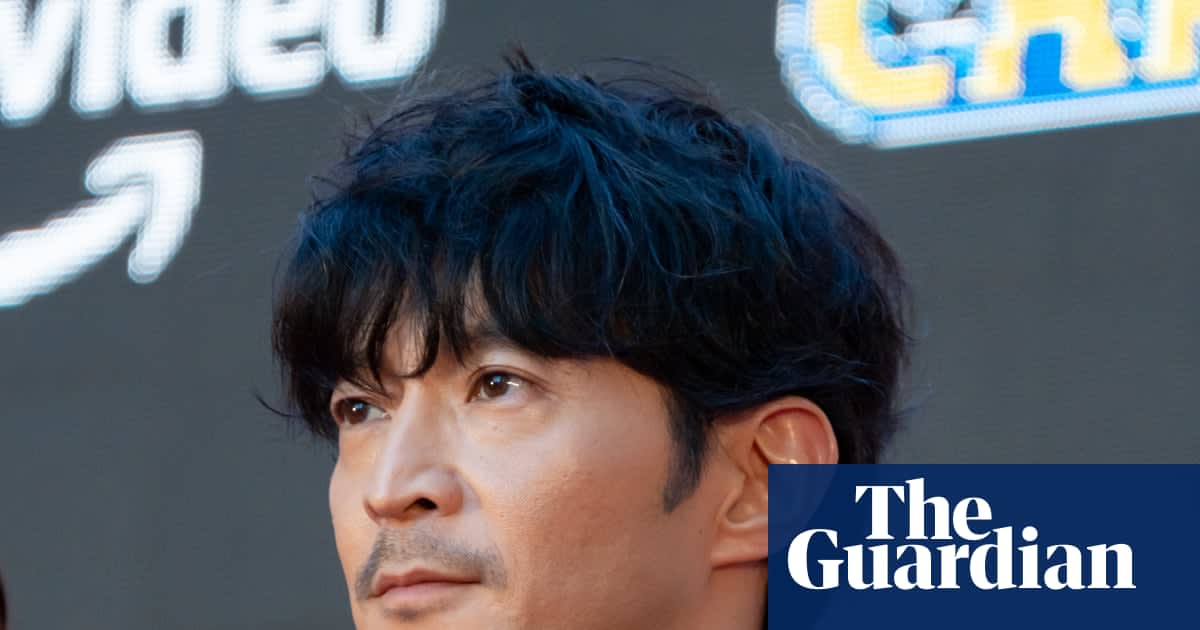
A Tokyo court has ruled that a person's voice warrants legal protection similar to publicity rights after actor Kenjiro Tsuda sued over an AI-generated clone. This landmark decision sets a significant precedent for performers' rights against unauthorized AI voice synthesis.
A Landmark Ruling for Vocal Sovereignty
In a significant legal development for the entertainment industry, a Tokyo district court has recognized that the human voice possesses inherent legal protections similar to publicity rights. This ruling emerged from a lawsuit filed by renowned voice actor Kenjiro Tsuda, celebrated for his role as Kento Nanami in the globally popular anime series Jujutsu Kaisen. Tsuda took legal action against a TikTok account that utilized AI-generated technology to clone his signature “lustrous” baritone voice, marking a pivotal moment in the ongoing battle between human performers and generative artificial intelligence.
Defining the Scope of Publicity Rights
The court's decision explicitly bridges the gap between traditional intellectual property and modern digital identity. By categorizing the unauthorized replication of a voice as an infringement on publicity rights, the judiciary in Japan has signaled that a performer’s vocal characteristics are not merely audio data to be scraped and repurposed, but are instead integral components of their professional identity and commercial value. This interpretation aligns with growing global efforts to protect individuals from the non-consensual exploitation of their likeness by AI.
The Impact of AI on the Creative Industry
The rise of generative AI has presented unique challenges for voice actors, whose livelihoods depend on the distinct qualities of their speech. Tools capable of synthesizing high-fidelity clones threaten to displace human professionals, potentially devaluing their craft and causing irreparable harm to their reputation. Tsuda’s case highlights the vulnerability of high-profile performers whose voices are easily identifiable and, consequently, prime targets for malicious or unauthorized AI training models and content generation.
Judicial Nuance and Procedural Outcomes
While the ruling serves as a victory for performer rights, the court provided a nuanced outcome regarding the specific request for content removal. Because the TikTok user responsible for the AI-generated videos had already deleted the content following the initiation of the lawsuit last November, the court dismissed the request for removal. This procedural detail underscores the speed at which digital infringements can occur and the difficulty plaintiffs face in securing injunctive relief once content has been scrubbed from the platform, even if the legal principle is upheld.
Broader Implications for Digital Governance
This ruling is expected to influence future litigation involving AI and deepfake technology not only in Japan but internationally. As AI tools become more accessible, the legal framework governing the ownership of biometric data, including voice prints, will require constant evolution. By establishing that the human voice deserves specific legal protection, the Tokyo court has provided a roadmap for other jurisdictions to follow, emphasizing that technological innovation cannot supersede the fundamental rights of individuals to control their own persona and professional output.
Future Trends in Digital Ethics
Looking forward, this verdict will likely force social media platforms and AI developers to implement stricter moderation policies and consent-based protocols. The industry is moving toward a landscape where vocal synthesis may require explicit licensing agreements, effectively turning the human voice into a protected asset. As we navigate this complex intersection of law and technology, the precedent set by Kenjiro Tsuda’s case will remain a foundational reference point for protecting human creativity in the age of automation.