China has three new criteria for humanoid robot IPOs. Few, if any, meet them
Source Entity
US Top News and Analysis
China's securities regulator has introduced three stringent criteria for humanoid robot startups seeking IPOs to curb market speculation. These requirements demand sustainable revenue, commercial orders, and narrowing financial losses.
China’s Regulatory Shift in the Humanoid Robotics Sector
China’s securities regulator, the China Securities Regulatory Commission (CSRC), is signaling a significant cooling phase for the nation’s burgeoning humanoid robotics industry. By imposing new, rigorous criteria for public listings, the regulator aims to curb speculative fervor in the 'embodied AI' sector. This move reflects a broader global trend where investors are increasingly scrutinizing the underlying financial viability of AI-driven companies, questioning whether the current market valuation constitutes a bubble.
The Three Pillars of Regulatory Scrutiny
According to sources familiar with the matter, the CSRC has established a framework of three specific criteria that humanoid startups must satisfy before proceeding with an Initial Public Offering (IPO). First, companies are now required to demonstrate sustainable revenue streams rather than relying solely on venture capital or speculative growth projections. Second, firms must provide evidence of concrete commercial orders, shifting the focus from theoretical research to actual market adoption. Third, the regulator has mandated that financial losses must demonstrate a clear trend of narrowing, effectively barring companies that are burning cash without a clear path to profitability.
Contextualizing the 'Embodied AI' Boom
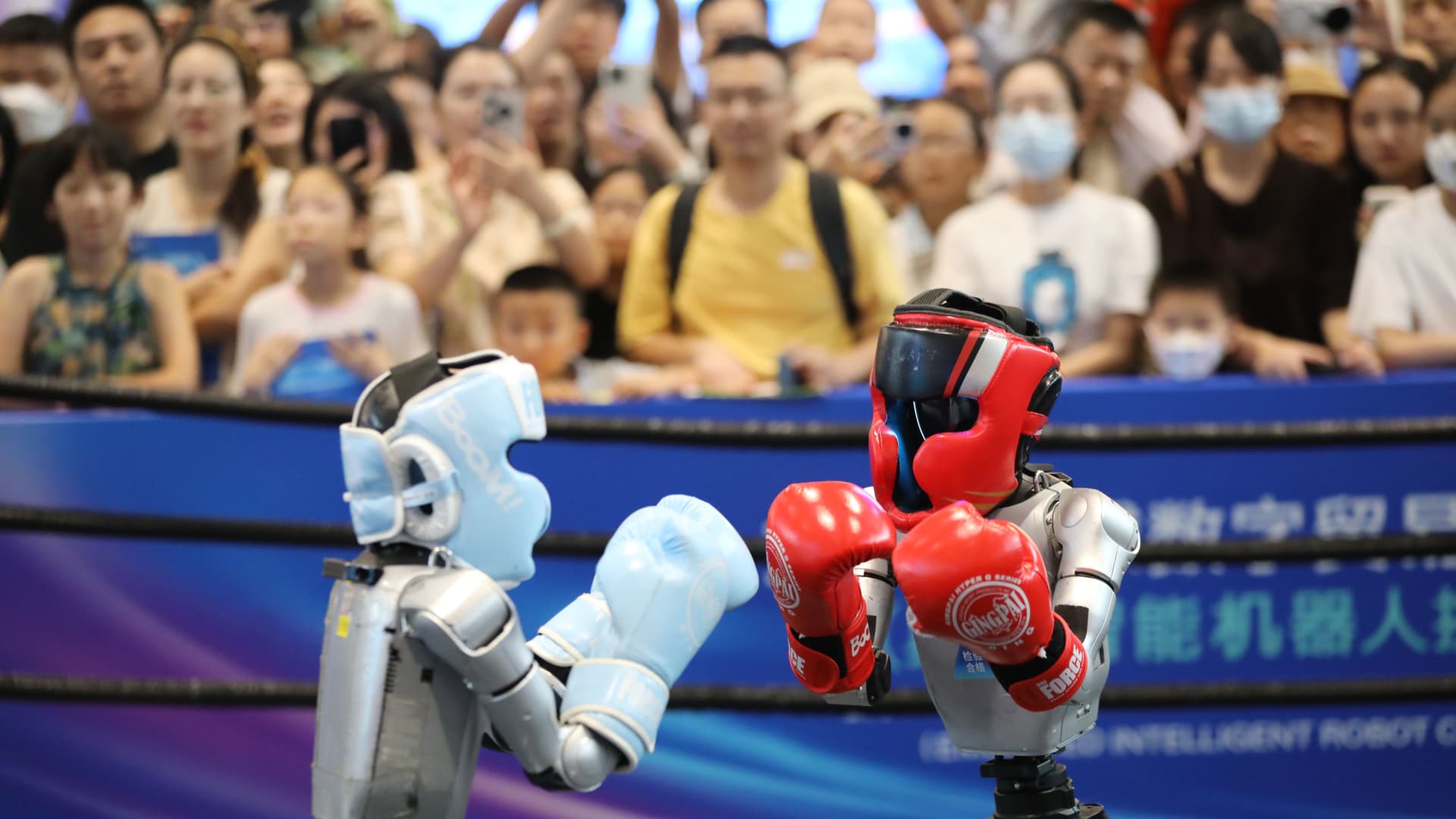
This regulatory intervention follows a period of intense hype surrounding humanoid robots, characterized by public demonstrations such as those seen at the 5th Global Digital Trade Expo in Hangzhou. While these displays showcase rapid technological progress in robotics, the regulatory shift highlights a disconnect between technological capability and economic maturity. By enforcing these standards, the CSRC is effectively attempting to filter out companies that lack the industrial maturity to survive in a competitive, capital-intensive market.
Broader Market Implications
These new 'window guidance' measures are likely to have a chilling effect on the immediate IPO pipeline for Chinese robotics firms. Many startups in this space are currently in the research and development phase, prioritizing technological milestones over unit economics. As these companies struggle to meet the new threshold of sustainable revenue and narrowed losses, the sector may witness a wave of consolidation or a pivot toward private equity funding, where expectations regarding immediate profitability are often more flexible than those in public markets.
Future Trends and Outlook
Looking ahead, this regulatory stance suggests that the Chinese government intends to prioritize high-quality growth over rapid, speculative expansion. While this may slow down the pace of IPOs in the short term, it could foster a more resilient domestic robotics industry in the long run. By forcing startups to prove their commercial value, the CSRC is encouraging a focus on real-world applications and scalable business models, which may ultimately distinguish successful industry leaders from those merely riding the wave of AI enthusiasm.