Hackers stole millions of US military personnel records during months-long data breach
Source Entity
Zack Whittaker
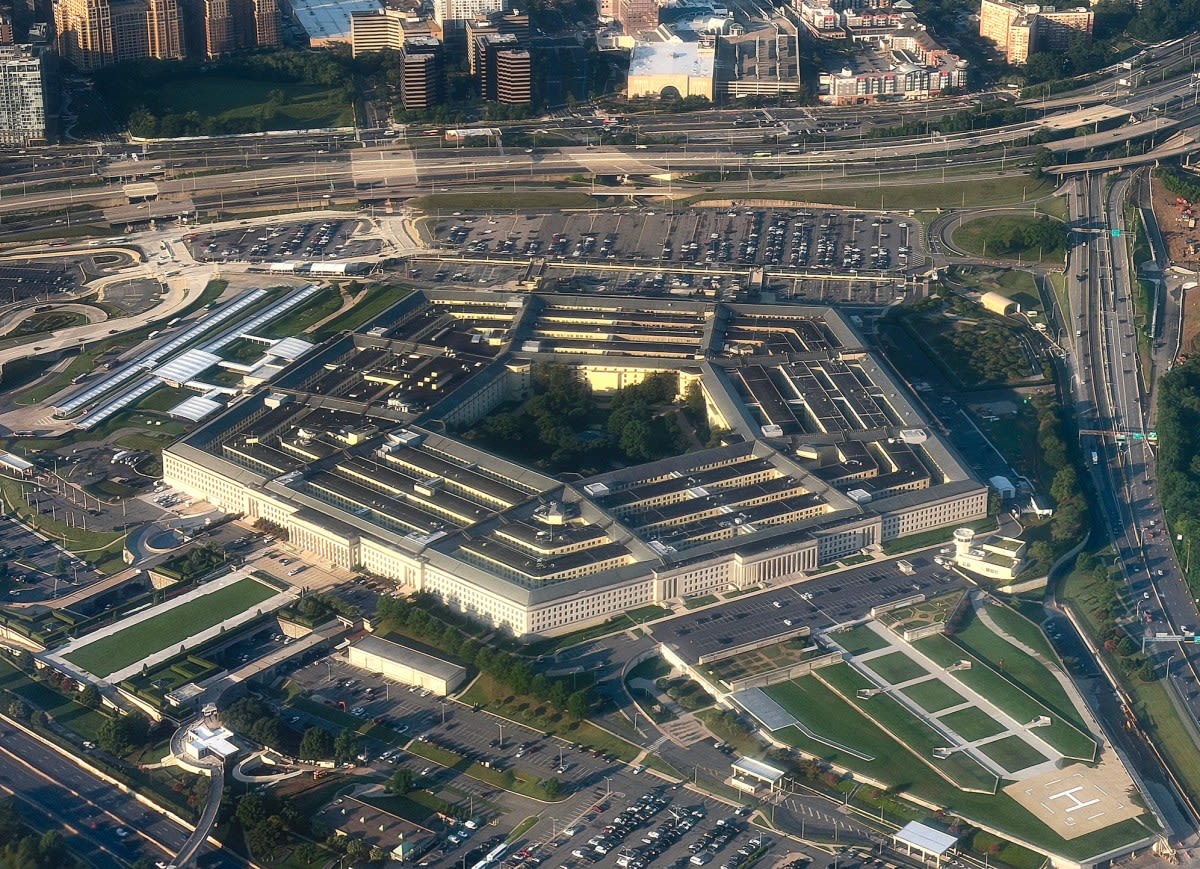
The U.S. Department of Defense has confirmed a major data breach involving the theft of personal records for millions of military personnel. Unauthorized users exploited a file-sharing vulnerability between October 2025 and July 2026, exposing sensitive information like Social Security numbers.
Breach of Sensitive Military Records: A Deep Analysis
The recent disclosure by the Department of Defense regarding the theft of personal information belonging to millions of current and former military personnel marks a significant escalation in the ongoing struggle to protect federal data. The breach, which occurred between October 2025 and mid-July 2026, highlights a systemic vulnerability within the Defense Manpower Data Center’s (DMDC) digital infrastructure. By exploiting a flaw in an unspecified file-sharing system, unauthorized actors were able to access a treasure trove of sensitive data, compromising the privacy and security of those who serve the nation.
The Anatomy of the Compromise
According to the notifications issued to affected individuals, the stolen data includes highly sensitive personally identifiable information (PII). The exposure of Social Security numbers, combined with names, dates of birth, and records of military service, places those affected at a heightened risk for identity theft and targeted phishing campaigns. The duration of the breach—spanning several months—suggests a sophisticated, persistent threat actor capable of remaining undetected while exfiltrating large volumes of data from one of the most secure government agencies in the world.
Systemic Vulnerabilities in Federal Cybersecurity
This incident is not an isolated event but rather the latest in a series of high-profile data thefts involving federal employees. The reliance on legacy file-sharing systems, which often lack the robust encryption and multi-factor authentication protocols required to repel modern cyber threats, remains a critical point of failure. The fact that the vulnerability persisted from October 2025 through July 2026 raises serious questions regarding the frequency of security audits and the speed at which the Pentagon responds to discovered software flaws.
Strategic Implications for National Security
Beyond the immediate impact on individuals, the compromise of military service records has profound implications for national security. Foreign adversaries often aggregate such data to build comprehensive dossiers on personnel, which can be leveraged for counter-intelligence purposes, social engineering, or the coercion of individuals with access to sensitive defense information. The scale of this breach suggests that the data could be utilized in long-term strategic operations, making the fallout of this event far more complex than simple identity fraud.
Future Trends and Mitigation
Moving forward, the Pentagon will likely be forced to accelerate the modernization of its data management systems, prioritizing zero-trust architecture to mitigate the risks inherent in file-sharing environments. The incident serves as a stark reminder that the digital battlefield is as critical as the physical one. Future trends in federal cybersecurity will undoubtedly focus on automated threat detection and the hardening of third-party or internal file-sharing portals that act as gateways to sensitive personnel databases. Ultimately, the DoD must now shift its focus toward long-term remediation, providing affected veterans and service members with comprehensive identity protection services to mitigate the damage caused by this massive security failure.