Can a police confession justify NSA detention? What Supreme Court said in Sambhal case
Source Entity
Amaal Sheikh
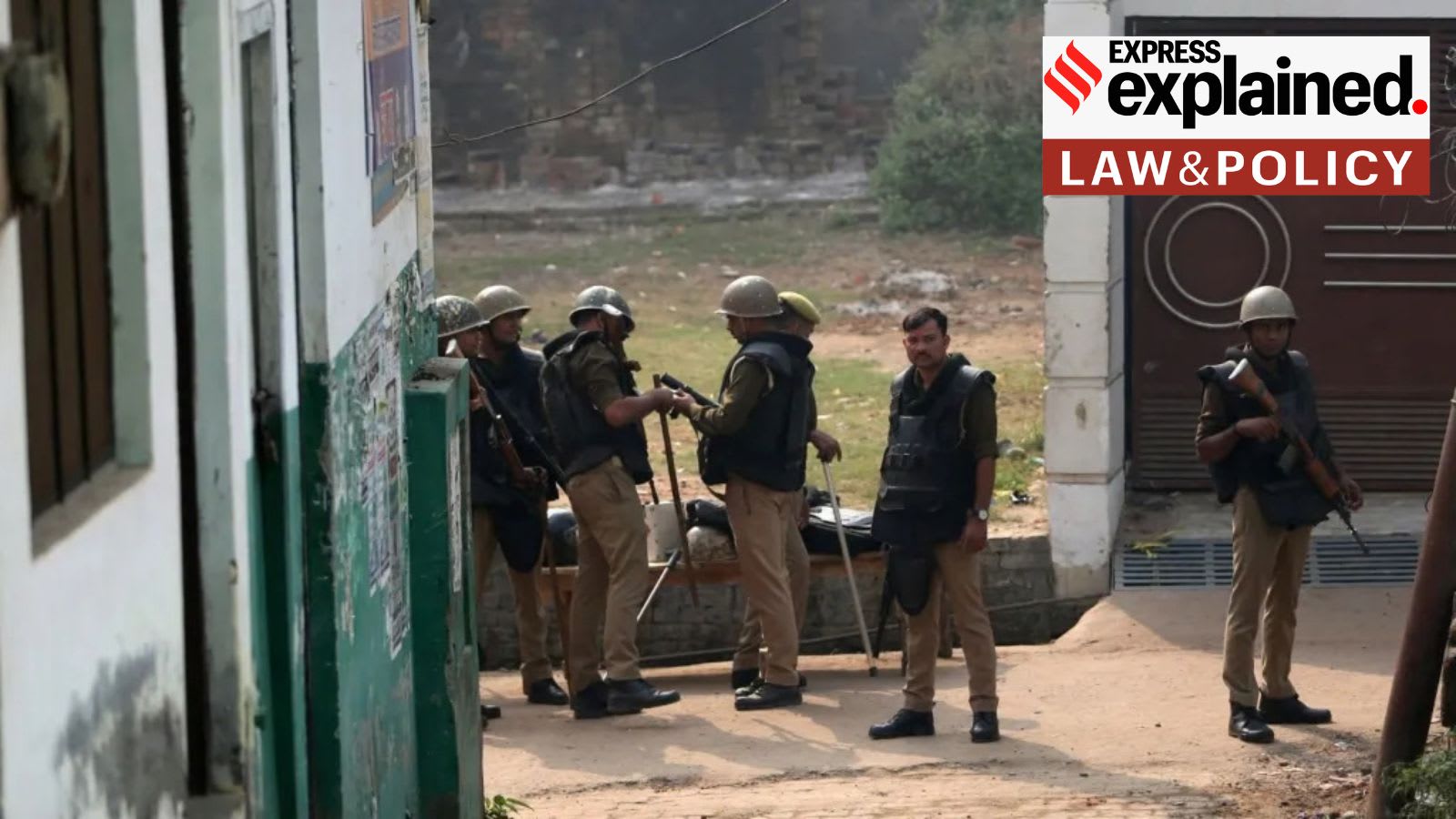
The Supreme Court has reprimanded the Uttar Pradesh Police for procedural failures and the misuse of preventive detention laws. The court quashed the NSA detention of Mulla Afroz, citing a lack of substantiating evidence and criticizing the state's reliance on flawed investigative practices.
Supreme Court Criticizes Uttar Pradesh Policing Standards
The Supreme Court of India has recently delivered a scathing critique of the Uttar Pradesh Police, questioning the very efficacy and integrity of the state’s law enforcement apparatus. In a pointed exchange, a bench consisting of Justices Sanjay Kumar and Sanjeev Sachdeva suggested that the police force’s current functioning is so deficient that it warrants consideration for being disbanded. This severe reprimand underscores a growing judicial concern regarding the erosion of due process and institutional accountability within the state's policing framework.
The Sambhal Case and NSA Misuse
The judicial scrutiny intensified following the case of Mulla Afroz, who was detained under the National Security Act (NSA) in connection with the 2024 violence during a survey of the Shahi Jama Masjid in Sambhal. The Supreme Court, led by Justices Dipankar Datta and Sheel Nagu, quashed this preventive detention, noting that the detaining authority failed to provide legally sustainable evidence. The court highlighted that the state relied on flimsy grounds, including inadmissible custodial confessions and undisclosed CCTV footage, to justify depriving a citizen of their liberty.
The 'Process as Punishment' Doctrine
A critical element of the court’s judgment was the observation that “the process was made the punishment.” Even after Afroz had secured bail in his substantive criminal cases, he remained in custody due to the invocation of the NSA. This practice of using preventive detention to circumvent bail orders is a significant constitutional issue. The Supreme Court’s decision to impose a Rs 10 lakh cost on the Uttar Pradesh government serves as a punitive measure intended to signal that the state cannot treat individual liberty with such disregard.
Institutional Failures and Legal Implications
The reliance on alleged phone messages and unsubstantiated claims to invoke the NSA reflects a broader trend of procedural shortcuts. By criticizing the state's reliance on material that fails the test of legal scrutiny, the Supreme Court is effectively reining in the executive's power to bypass the judiciary. This move reinforces the principle that preventive detention is an extraordinary measure, not a routine tool for administrative convenience or police overreach.
Broader Implications for Law Enforcement
These developments signify a potential turning point in the oversight of state-level law enforcement agencies. By questioning why the police should not be disbanded, the judiciary is signaling a loss of faith in the current investigative and administrative processes. This sets a precedent for higher courts to hold state authorities financially and legally accountable for actions that violate the fundamental rights of citizens, potentially forcing a structural re-evaluation of how police in Uttar Pradesh prepare cases and justify detentions.
Future Trends in Judicial Oversight
Moving forward, it is likely that the Supreme Court will maintain a more rigorous stance toward state-led preventive detentions. The imposition of heavy costs and the explicit condemnation of police practices suggest that the judiciary will continue to act as a safeguard against the weaponization of administrative laws. The state government will now face increased pressure to reform its investigative protocols to avoid further judicial intervention and financial liability.