
The Quiet Pivot
For decades, the global financial architecture operated on a simple, unipolar premise: the US dollar was the undisputed sun around which all other currencies orbited. That gravity is weakening. We are not seeing a cinematic crash, but rather a slow, methodical drift toward currency pluralism. This is a systemic shift where nations no longer seek a single global reserve, but a diversified portfolio of settlement assets. Why now? Because the intersection of geopolitical volatility and technological leapfrogging has made the cost of total dependency higher than the cost of transition.
If you look at the delta between today and twelve months ago, the conversation has shifted from theoretical debate to operational implementation. A year ago, de-dollarization was a talking point for political summits. Today, it is appearing in the ledger books of central banks. The expansion of the BRICS bloc to include new members like the UAE and Ethiopia represents a tangible increase in the volume of trade settled in non-dollar currencies. This isn't about ideology; it is about risk management in an era where financial sanctions have become a primary tool of statecraft (Source: IMF, 2023).
The Mechanics of Divergence
The engine driving this pluralism is Local Currency Settlement (LCS). Instead of routing a trade between Brazil and China through New York in USD, these nations are increasingly settling in Real and Yuan. This bypasses the corresponding banking system and reduces the reliance on the SWIFT network. According to data from the International Monetary Fund, the share of USD in global foreign exchange reserves has declined from roughly 70% in 2000 to approximately 58% in 2023 (Source: IMF, 2023). While the dollar remains dominant, the trend line is clear: the monopoly is eroding.
"The movement toward a multi-currency system is less about the demise of any single currency and more about the pursuit of strategic autonomy by emerging economies."— Christine Lagarde, President of the European Central Bank
Does this mean the dollar is dead? Hardly. The liquidity of the US Treasury market is an unmatched moat. However, the emergence of 'currency corridors'—bilateral agreements that allow for direct trade settlement—is creating a fragmented landscape. We see this in the Gulf states, where the traditional peg to the dollar is being balanced with an increasing openness to the Chinese Yuan for oil trades. The goal isn't to replace the dollar, but to ensure that no single entity holds the kill-switch to a nation's economy.
| Metric | Unipolar Era (Pre-2010) | Pluralist Era (2024 Projection) |
|---|---|---|
| Primary Reserve Asset | USD (Dominant) | Diversified (USD, EUR, CNY, Gold) |
| Settlement Path | Centralized (SWIFT/NY) | Fragmented (LCS/mBridge) |
| Reserve Share (USD) | ~70%+ | ~58% (Source: IMF, 2023) |
| Trade Logic | Efficiency & Liquidity | Resilience & Autonomy |
From the perspective of a corporate treasurer, this shift is a logistical nightmare. In the old world, you held dollars and you were set. Now, practitioners are debating the friction of maintaining multiple 'nostro' and 'vostro' accounts across disparate jurisdictions. There is a real, ground-level struggle to manage currency mismatch risk when your revenue is in a basket of five different local currencies but your debt is still denominated in USD. The industry is currently fighting over how to hedge these new, less liquid pairs without eating their margins in transaction fees.
Digital Acceleration and the mBridge Effect
Technology is accelerating this fragmentation. Central Bank Digital Currencies (CBDCs) are not just about replacing cash; they are about replacing the plumbing of international finance. Project mBridge, a collaboration involving the Bank for International Settlements (BIS) and several central banks, is a prime example. By using a shared ledger, mBridge allows for the near-instantaneous settlement of cross-border payments without needing a correspondent bank in the middle (Source: BIS, 2024). This removes the 'dollar toll' that has historically been paid on almost every global transaction.
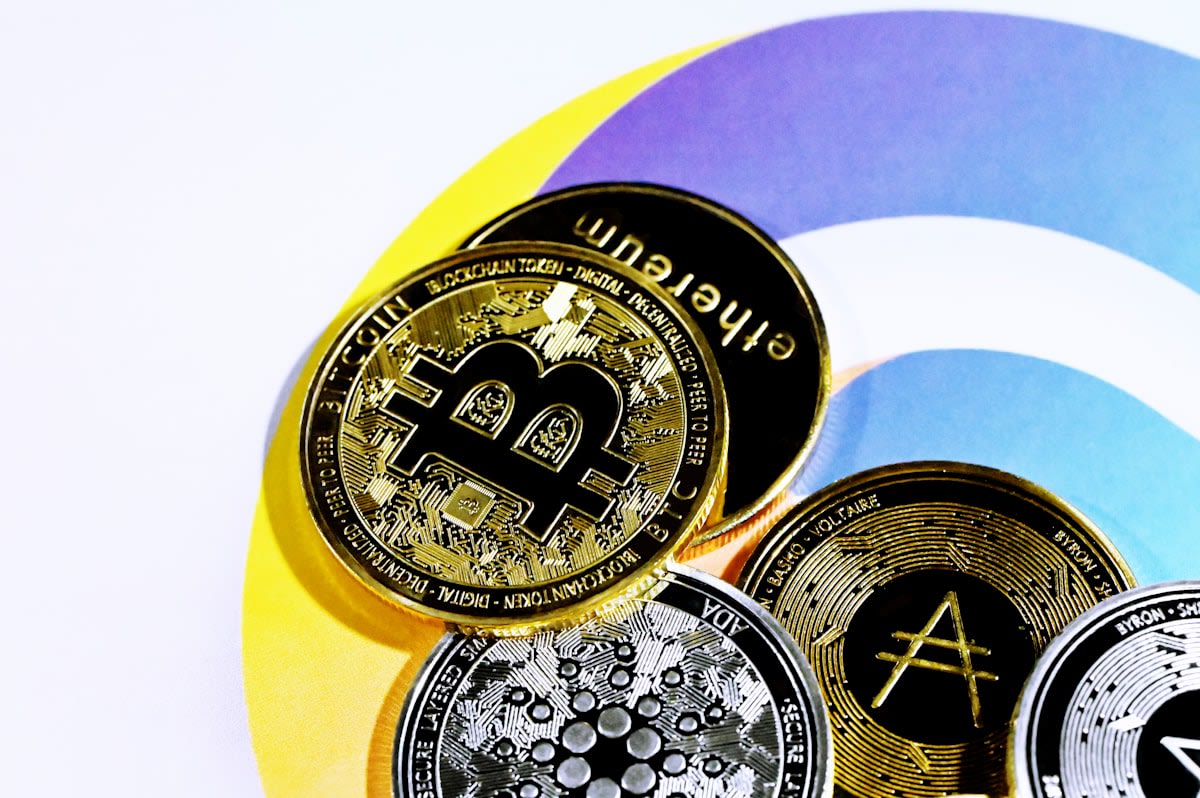
The implication here is profound. When settlement happens in milliseconds on a blockchain, the need for a global 'bridge currency' like the dollar vanishes. We are moving toward a world of 'atomic settlement,' where the asset and the payment change hands simultaneously. This reduces counterparty risk and eliminates the time-lag that previously made the dollar the safest bet for liquidity. The BIS has noted that such innovations could significantly reduce the cost of remittances and trade finance (Source: BIS, 2024).
- Strategic Autonomy: Reducing vulnerability to unilateral sanctions.
- Transaction Efficiency: Using CBDCs to bypass slow correspondent banking networks.
- Reserve Diversification: Moving toward gold and a basket of regional currencies.
- Geopolitical Alignment: Trade blocs (BRICS+) aligning monetary policy with political ties.
Resilience Over Dominance
We must stop framing this as a 'war on the dollar.' That is a sensationalist narrative. Instead, view it as an evolution toward resilience. A multi-polar system is inherently more stable because it distributes risk. When one region faces a systemic shock, the entire global trade mechanism doesn't grind to a halt because there are alternative pipes for value to flow through. This is adaptation in real-time.
The real question is how the West will respond. Will the US and EU double down on the existing system, or will they integrate into this new pluralism? The trend suggests that the latter is inevitable. The move toward a multi-polar system is not a sudden event but a gradual realignment of incentives. As emerging markets grow in GDP share, their currencies will naturally follow. The era of the single global hegemon in finance is giving way to a more complex, networked arrangement of monetary power.
Fact-Check & Accuracy Note
Key claims regarding the decline of USD reserve shares are sourced from the IMF's COFER data (2023). Technical details regarding mBridge and atomic settlement are based on reports from the Bank for International Settlements (2024). The debate regarding 'nostro/vostro' friction is a recognized operational challenge within global treasury management, though specific corporate data remains proprietary.
Editorial Note
This article focuses on the structural trend of currency pluralism. It avoids predicting a specific 'collapse date' for any currency, as monetary shifts are typically evolutionary rather than revolutionary.