Tim Cook says ‘I’m not meddling’ in the new Apple CEO’s business
Source Entity
Jay Peters
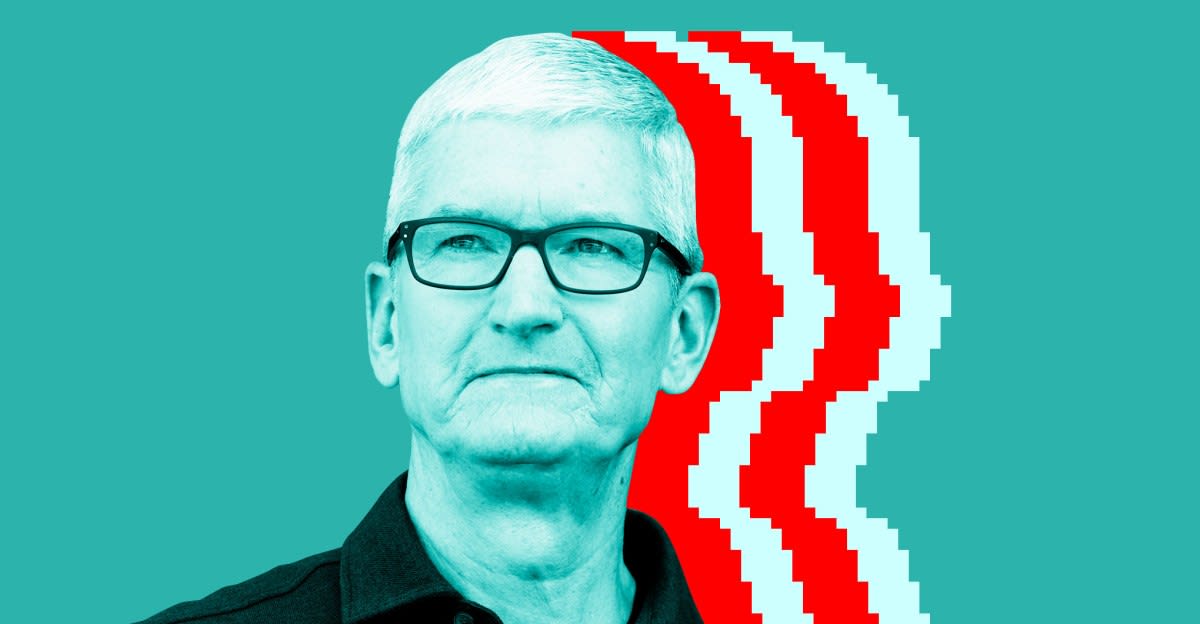
Tim Cook has officially transitioned from Apple CEO to executive chairman, appointing former hardware chief John Ternus as his successor. Cook maintains that he is not interfering in daily operations, focusing instead on global policy advocacy.
A New Era for Apple: The Leadership Transition
In a landmark shift for one of the world’s most valuable companies, Tim Cook has officially stepped down from his role as Apple CEO as of September. Following his long-standing tenure, the company has appointed John Ternus, the former hardware chief, to lead the tech giant into its next chapter. Cook, meanwhile, has transitioned into the role of executive chairman, a position that allows him to remain tethered to the company while relinquishing the daily operational burdens of the top executive office.
Defining the New Relationship
Addressing concerns regarding the potential for corporate friction or overreach, Cook has been clear about the nature of his new advisory role. In a recent interview with The Independent, he emphasized that he is “not meddling” in Ternus’ work. Central to this transition is a foundation of mutual trust and frequent communication, which Cook describes as the bedrock of their professional relationship. By publicly clarifying this boundary, Cook aims to reassure investors and stakeholders that Ternus has the autonomy required to drive innovation and manage the company’s complex hardware portfolio.
The Focus on Global Policy
While Ternus assumes the reins of product development and strategy, Cook is pivoting his professional focus toward the broader geopolitical landscape. Cook noted that his current efforts are concentrated on "worldwide policy," an area of increasing importance for global technology conglomerates. As Apple faces heightened scrutiny regarding privacy, trade, and market regulation, Cook’s transition into a role focused on government interface suggests that the company intends to leverage his stature to navigate complex international relations.
Visibility and Continued Influence
Despite stepping back from operational leadership, Cook remains a highly visible figurehead for Apple. His recent attendance at a White House state dinner serves as a clear indicator that he will continue to act as a primary diplomat for the brand. This dual approach—Ternus managing the internal hardware engine while Cook manages the external political interface—represents a strategic move to insulate the company’s product roadmap from the turbulence of global regulatory environments.
Future Implications and Trends
This transition marks a significant shift in corporate governance for Apple. By delegating the CEO role to a hardware-focused leader like Ternus, Apple is signaling a continued commitment to its core hardware business. Simultaneously, by keeping a veteran like Cook in an executive chairman position, the company ensures institutional stability. The success of this model will likely depend on how effectively they can balance Ternus’ technical vision with the global advocacy efforts that Cook is now spearheading. This separation of powers may set a new standard for how major tech firms handle executive succession in an era of intense political and regulatory pressure.