
The Fallacy of the Lowest Unit Cost
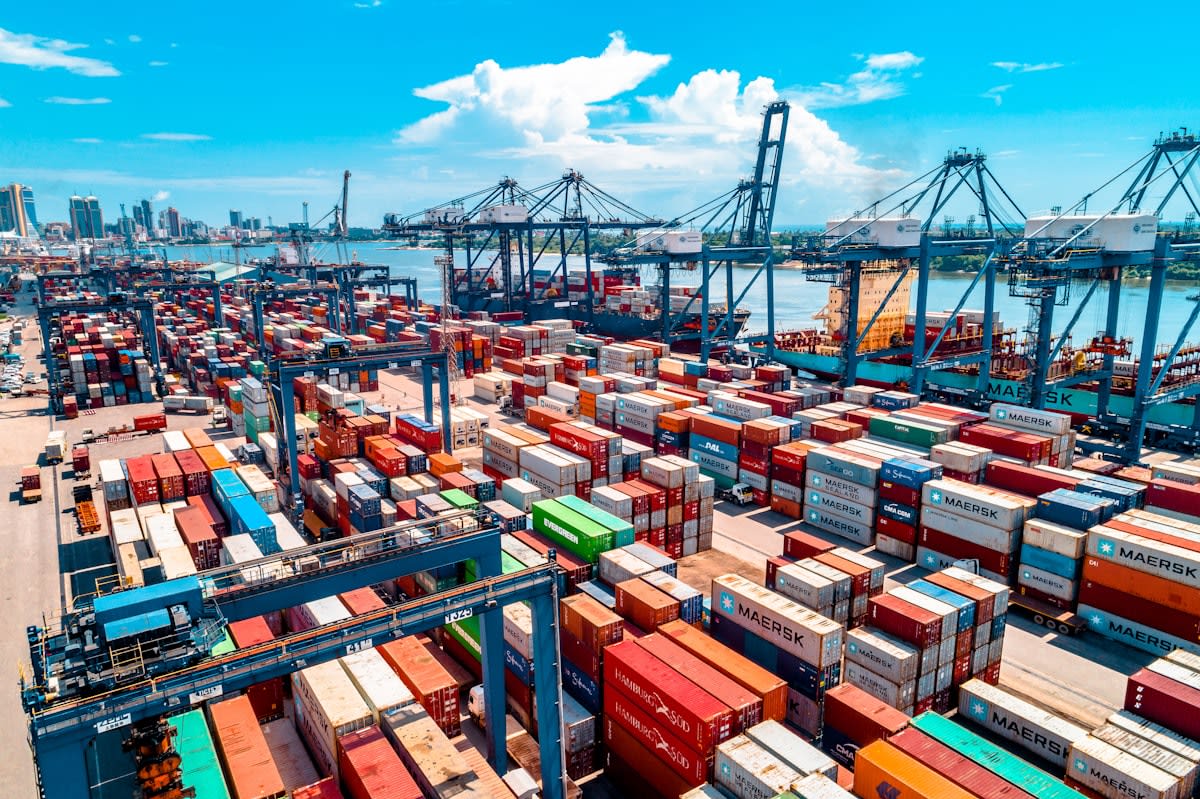
For three decades, the corporate world worshipped at the altar of the lowest unit cost. The logic was seductive: find the cheapest labor on the planet, manufacture in massive volumes, and ship across oceans to the end consumer. This hyper-globalized model ignored the fragility of the threads connecting a factory in East Asia to a retail shelf in North America or Europe. We treated the ocean as a conveyor belt that never stopped, a dangerous assumption that collapsed the moment systemic shocks hit the global grid. Now, the pendulum is swinging back, not toward a naive isolationism, but toward a calculated proximity.
Why is this happening now? The calculation has changed from 'How much does it cost to make?' to 'How much does it cost if it doesn't arrive?' The hidden costs of long-haul supply chains—inventory carrying costs, geopolitical volatility, and the sheer inertia of 40-day shipping windows—have finally outweighed the savings of cheap labor. We are witnessing the death of Just-in-Time logistics in its purest form. In its place, a more resilient, 'Just-in-Case' philosophy is emerging, where the goal is no longer absolute efficiency, but absolute reliability.
"The obsession with cents-per-unit blinded an entire generation of executives to the systemic risk of distance. Proximity is the new premium."— Strategic Analysis Group
This is not a simple case of reshoring, where companies bring jobs back to their home soil. That is a political narrative, not an economic one. The real move is nearshoring: relocating production to a neighboring country that offers a balance of competitive costs and geographic proximity. It is a surgical reorganization of the map. By shortening the physical distance between production and consumption, firms reduce their exposure to maritime bottlenecks and currency swings while slashing their carbon footprints.
Mapping the New Regional Hubs
Look at the North American corridor. Mexico has evolved from a low-cost assembly point into a sophisticated manufacturing powerhouse. From the automotive clusters in Monterrey to the electronics hubs in Tijuana, the shift is palpable. Companies are no longer just looking for cheap hands; they are looking for integrated ecosystems that can react to market changes in days rather than months. The ability to truck a component across a border is infinitely more valuable than the ability to ship it across a Pacific Ocean in a volatile geopolitical climate.
Europe is mirroring this trend with a pivot toward the East. Poland, the Czech Republic, and Romania are becoming the industrial lungs of the European Union. These nations provide the technical expertise and logistical ease that allow German or French firms to maintain high standards without the risk of distant Asian dependencies. The result is a regionalized loop where parts and products circulate within a few hundred miles, insulating the economy from external shocks.
Even within Asia, the map is being redrawn. While the region remains a global powerhouse, we see an internal shift toward Vietnam and Thailand as firms diversify away from single-source dependencies. This is a 'China Plus One' strategy in action. It is not an exit, but a hedge. The goal is to ensure that a single localized lockdown or political dispute doesn't paralyze an entire global product line.
These regional clusters create a feedback loop of efficiency. As more firms move to a specific hub, the local talent pool deepens, the infrastructure improves, and the specialized suppliers migrate to be near their clients. This creates a gravity well that makes nearshoring not just a risk-mitigation strategy, but a competitive necessity.
The Proximity Trade-Off
The pivot to nearshoring is effectively a trade-off. Companies are accepting a slightly higher cost of production in exchange for a massive reduction in systemic risk and a drastic increase in speed-to-market.
The Architecture of Profit: Who Wins?
When the supply chain shrinks, the nature of profit shifts. In the old model, the winners were the massive shipping conglomerates and the lowest-cost labor brokers. In the new model, profit migrates toward the orchestrators of regional agility. Logistics companies that specialize in cross-border trucking, regional warehousing, and last-mile delivery are seeing a surge in value. The money is moving from the deep sea to the highway.
| Metric | Hyper-Global Model | Nearshore Model | Strategic Impact |
|---|---|---|---|
| Average Lead Time | 30-60 Days | 3-10 Days | Higher Inventory Turnover |
| Carbon Footprint | High (Maritime/Air) | Low (Rail/Truck) | ESG Compliance |
| Risk Profile | Systemic/Global | Localized/Regional | Increased Resilience |
| Unit Labor Cost | Ultra-Low | Moderate | Focus on Quality/Skill |
Beyond logistics, the real winners are the 'Agile Manufacturers.' These are firms that can pivot their production lines quickly to meet regional demand. When your factory is four hours away rather than four weeks, you can implement design changes in real-time. This collapses the product development cycle, allowing brands to test and iterate with a speed that was previously impossible. The profit is no longer in the volume, but in the velocity.
We must also consider the rise of the regional infrastructure play. Governments in nearshoring hubs are investing heavily in ports, roads, and energy grids to attract this capital. This creates a secondary boom in construction and industrial real estate. The land in Monterrey or Wroclaw is becoming more valuable than the labor in a distant province because that land provides the one thing money cannot buy: time.
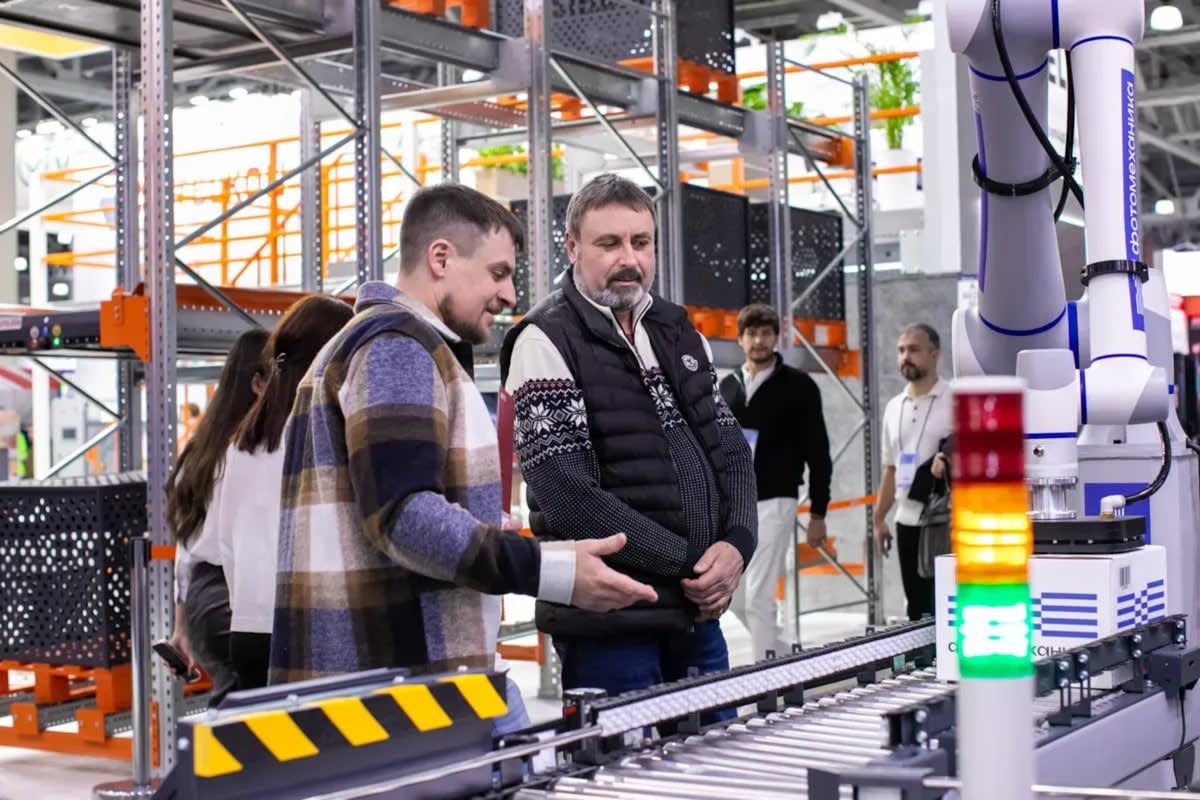
Is this a permanent shift or a temporary reaction to recent volatility? The structural changes suggest the former. The integration of AI and robotics is further eroding the advantage of cheap labor. When a robot in Mexico or Poland can perform the same task as a worker in a distant low-cost center, the only remaining variable is distance. The economic incentive to move closer is now reinforced by technological parity.
The global economy is not ending; it is simply fragmenting into more manageable, resilient pieces. This regionalization allows for a more sustainable form of growth, reducing the environmental toll of global shipping and creating more stable middle-class industrial bases in developing regions. The 'Great Pivot' is an admission that the world is too volatile for a single, fragile chain. The future belongs to those who can build a web of regional strongholds.