DMK chief Stalin accuses Tamil Nadu CM Vijay of using reels to cover administrative failures
Source Entity
India Latest News: Top National Headlines Today & Breaking News | The Hindu
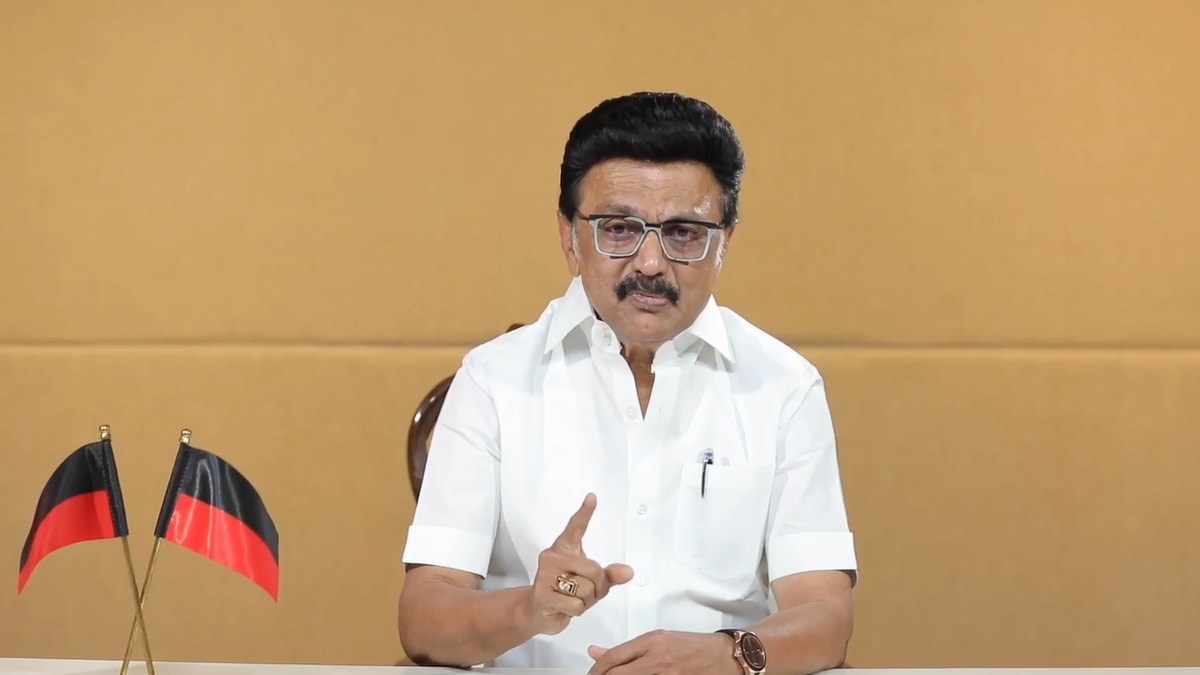
DMK leader M.K. Stalin has criticized Tamil Nadu CM C. Joseph Vijay for an alleged body-shaming gesture made in the Assembly. Stalin claims the gesture mocked his 1976 Emergency-era injuries, while accusing Vijay of using social media stunts to distract from administrative failures.
The Clash of Narratives: Stalin vs. Vijay
The political landscape in Tamil Nadu has intensified following a contentious exchange between DMK president M.K. Stalin and Chief Minister C. Joseph Vijay. The friction originated from a gesture made by CM Vijay during an Assembly session regarding the Emergency era, which many interpreted as a mocking reference to the injuries Stalin sustained while in detention in 1976. This event has sparked a heated debate regarding decorum, historical sensitivity, and the nature of modern political communication.
The Emergency-Era Legacy
Stalin has publicly reaffirmed the severity of his treatment during the 1976 Emergency, stating that his jawbones were broken during a brutal police attack while he was incarcerated in a leper ward. By addressing the Chief Minister as “Thambi Vijay,” the DMK leader emphasized that his struggle is an immutable part of the party’s historical identity. He maintains that the gesture made by the CM was not merely a misunderstanding but a reflection of a dismissive attitude toward the sacrifices made by political prisoners during that period.
Allegations of Administrative Failure
Beyond the personal grievances, the core of Stalin’s critique lies in his assessment of the current state government’s performance. He has accused CM Vijay of leveraging social media platforms—specifically the creation of 'reels' and photoshoots—to project an image of governance while allegedly neglecting the deteriorating law and order situation. Stalin argues that the administration is in disarray, citing rising concerns over daily instances of violence, including murders and sexual assaults against women.
The Intersection of Cinema and Governance
Stalin’s critique takes a specific aim at the intersection of celebrity culture and political responsibility. By accusing the Chief Minister of running the state “like a cinema shooting,” the DMK leader touches upon a long-standing tension in Tamil Nadu politics. He suggests that the current administration is masking its “inefficiency” through curated digital content rather than addressing the substantive needs of the public, effectively “cheating an entire generation” by prioritizing optics over policy.
Future Implications for Tamil Nadu Politics
This public spat signals a deepening divide between the DMK and the current government. As the discourse shifts from legislative debates to personal accusations and social media warfare, the political environment in the state appears increasingly polarized. The reliance on digital narratives—and the backlash against them—suggests that future electoral and policy battles will be fought as much on social media feeds as they are in the Assembly, with both sides attempting to control the narrative of truth versus performance.
Conclusive Summary
The confrontation between M.K. Stalin and C. Joseph Vijay highlights a volatile mix of historical trauma and contemporary governance criticisms. While the immediate catalyst was a gesture perceived as body-shaming, the broader conflict underscores deep-seated disagreements regarding the administration’s competence and the influence of the CM’s background on his political conduct. As both leaders continue to trade barbs, the public remains caught in the middle of a struggle defined by historical legacy and modern-day administrative pressures.
Verification Required?