President Trump Bought BA Stock the Same Day Boeing Won an $880M U.S. Navy Contract
Source Entity
Yahoo Finance
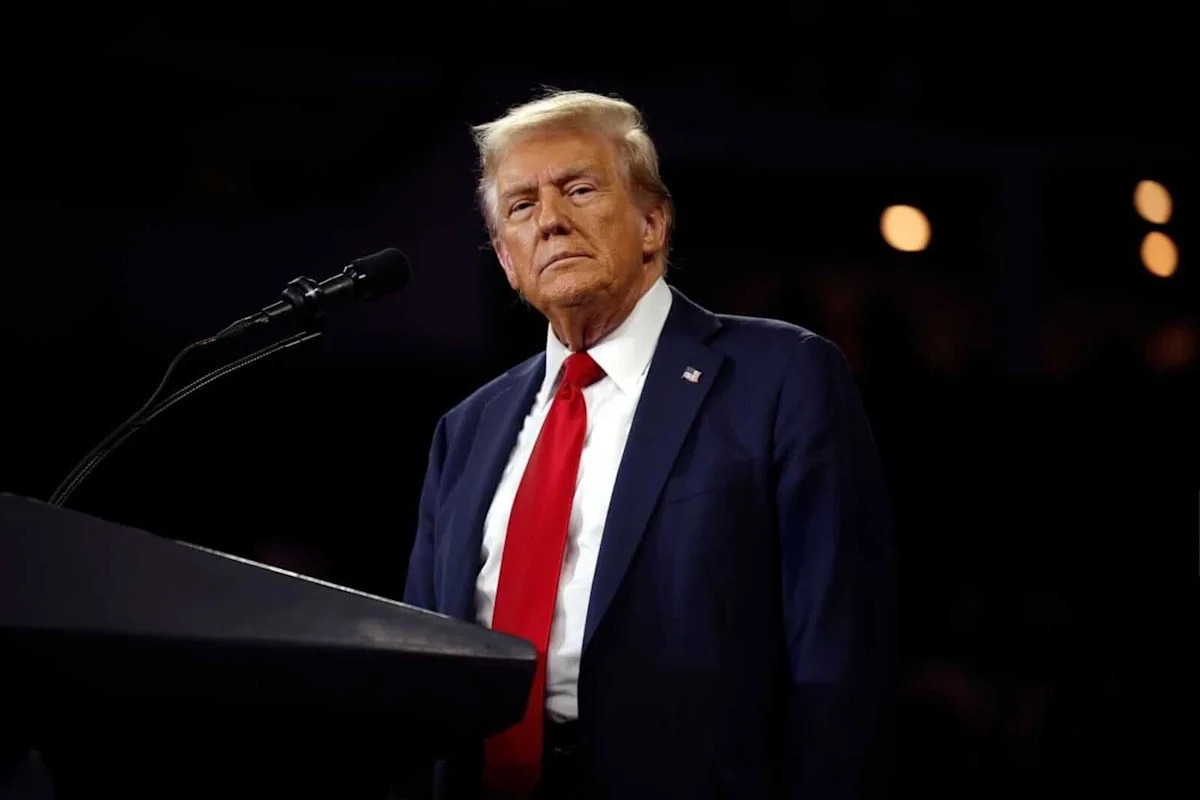
Reports indicate that President Trump's financial advisors executed a purchase of Boeing stock on the same day the company secured an $880 million U.S. Navy contract. This trade highlights the high volume of activity within the presidential portfolio, which saw over 21,000 transactions in a single year.
Examining Presidential Financial Activity: The Boeing Transaction
Recent financial disclosures have drawn significant attention to the investment habits of the current administration, specifically highlighting a notable trade involving Boeing stock. Reports confirm that President Trump’s financial advisors acquired shares in the aerospace giant on the exact day the company was awarded an $880 million contract by the U.S. Navy. This synchronization has reignited long-standing debates regarding the intersection of executive power, government procurement, and personal financial gain.
A Departure from Traditional Presidential Portfolios
Historically, presidential investment strategies have favored extreme caution to avoid the appearance of conflicts of interest. Past administrations, such as that of Barack Obama, typically maintained portfolios restricted to low-risk assets like U.S. Treasury Notes and broad-market index funds. In contrast, the current presidential portfolio is characterized by high-frequency trading, with financial advisors executing over 21,000 trades during the first year of the term alone, including 1,000 transactions in the month of June.
The Mechanics of High-Volume Trading
The sheer velocity of these transactions—averaging dozens of trades per day—sets a new precedent for how executive assets are managed. While proponents might argue that such activity represents a sophisticated approach to wealth management, critics contend that the volume makes oversight and the identification of potential conflicts significantly more difficult. The Boeing purchase serves as a focal point for these concerns, as the timing aligns perfectly with a major federal expenditure.
Government Contracting and Market Influence
Boeing, a massive player in the defense sector, frequently relies on U.S. government contracts to sustain its operational revenue. When a company is awarded a contract worth nearly a billion dollars, the market reaction is typically positive, often leading to a surge in stock value. The timing of the President’s trade, therefore, raises questions about the transparency of information flow between government agencies and the private financial advisors tasked with managing the President's wealth.
Broader Implications for Ethical Governance
This incident underscores the necessity for robust ethical firewalls between the Oval Office and personal investment vehicles. Even if these trades are managed by independent advisors, the public perception of 'insider' timing can erode trust in government institutions. As the administration continues to navigate its second term, the scrutiny on these financial disclosures is likely to intensify, potentially leading to calls for stricter legislative requirements regarding presidential asset management.
Future Trends in Executive Disclosure
Looking forward, this level of financial activity is likely to become a benchmark for future ethics investigations. As modern technology allows for more complex, high-frequency trading, the existing regulatory framework for presidential financial disclosure may prove inadequate. We can expect future election cycles to feature more rigorous debates on whether presidents should be required to place their assets in truly blind trusts, devoid of any active trading, to prevent even the appearance of impropriety.