Stroke rehab must start earlier, say revised US guidelines: Why physio can begin in hospital
Source Entity
The Indian Express
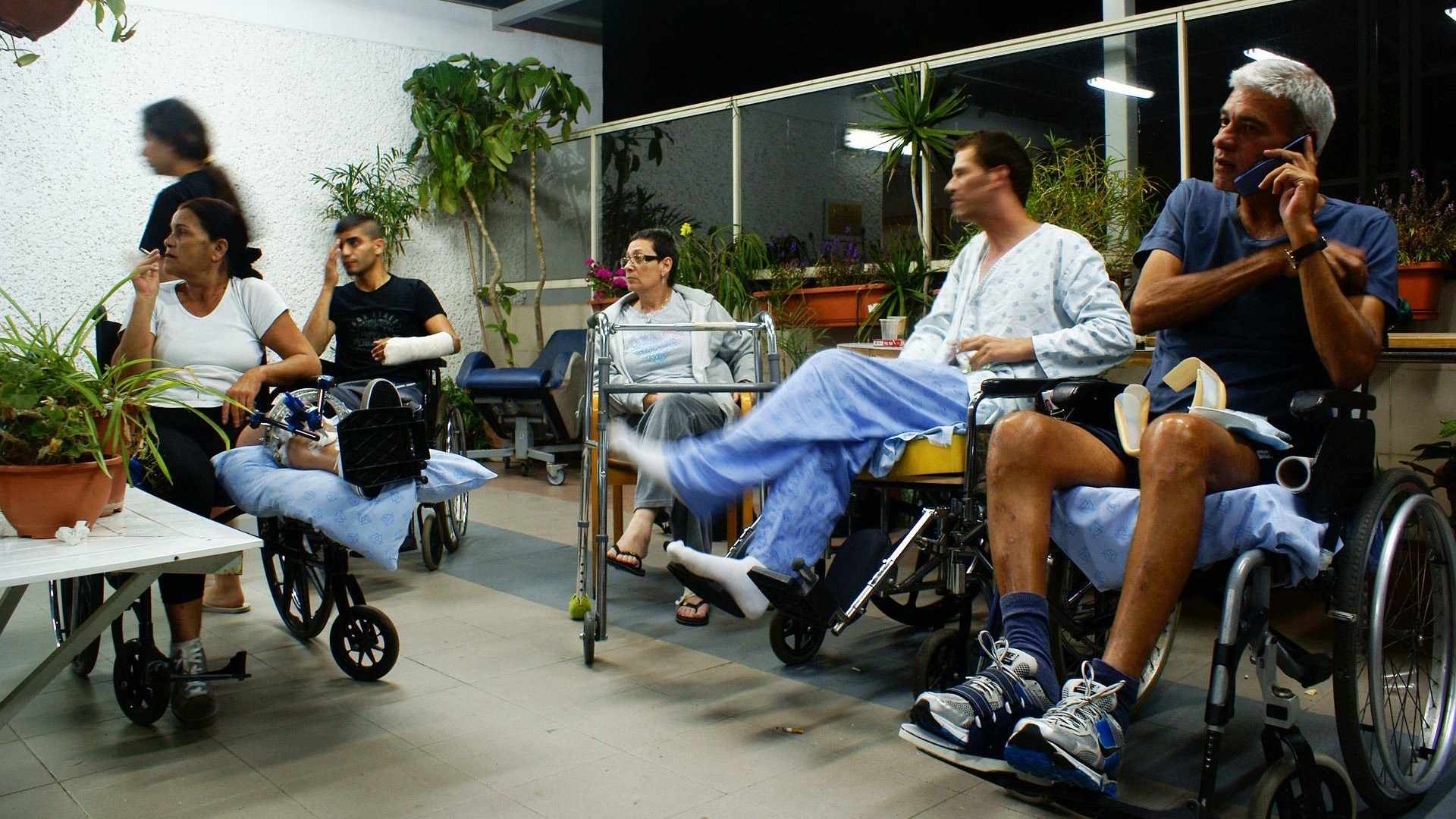
Revised 2026 guidelines from the American Heart Association and American Stroke Association emphasize beginning rehabilitation immediately after a patient is medically stable. This shift prioritizes early, gentle intervention over waiting for physical strength, aiming to improve long-term recovery outcomes.
Redefining Stroke Recovery: The 2026 Shift
The landscape of post-stroke care has undergone a significant transformation with the publication of the 2026 American Heart Association (AHA) and American Stroke Association (ASA) Guidelines for Adult Stroke Rehabilitation and Recovery. Released on August 27, these guidelines challenge the traditional medical practice of delaying rehabilitation until a patient is discharged or demonstrates increased physical strength. Instead, the new clinical consensus advocates for the integration of rehabilitative efforts during the acute hospital phase.
The Importance of Early Intervention
Historically, rehabilitation was often viewed as a secondary phase of recovery that occurred post-hospitalization. However, the 2026 guidelines suggest that the window for neuroplasticity—the brain's ability to reorganize itself—is most active in the immediate aftermath of a stroke. By initiating therapy while the patient is still in the hospital, clinicians can begin the process of helping the patient recover essential movement, communication, and cognitive functions at a time when the brain is primed for adaptation.
Clarifying 'Early' vs. 'Aggressive'
A critical distinction within the new guidelines is the definition of 'early' rehabilitation. The experts clarify that early does not equate to aggressive mobilization. The focus remains on safety; rehabilitation is intended to commence as soon as a patient is medically stable. This includes the period immediately following emergency clot-dissolving drug administration or mechanical thrombectomy (catheter-based removal), provided the patient’s clinical status allows for gentle, supervised activity.
Implications for Clinical Practice
This paradigm shift necessitates a change in hospital workflow. By embedding rehabilitation specialists directly into acute stroke units, hospitals can bridge the gap between emergency intervention and long-term recovery. This multidisciplinary approach ensures that patients are not just surviving the acute event, but are actively engaged in the recovery process from the moment their condition is stabilized.
Future Trends in Stroke Care
The adoption of these guidelines marks a move toward a more holistic, patient-centered model of care. As hospitals adapt to these recommendations, we can expect to see improved long-term outcomes, including greater independence and higher quality of life for stroke survivors. Future research will likely focus on quantifying the long-term benefits of this early-start model compared to traditional delayed approaches, potentially setting a new global standard for stroke management.