White House pulls Tetris-style 'Build The Wall' game after copyright concern
Source Entity
BBC News
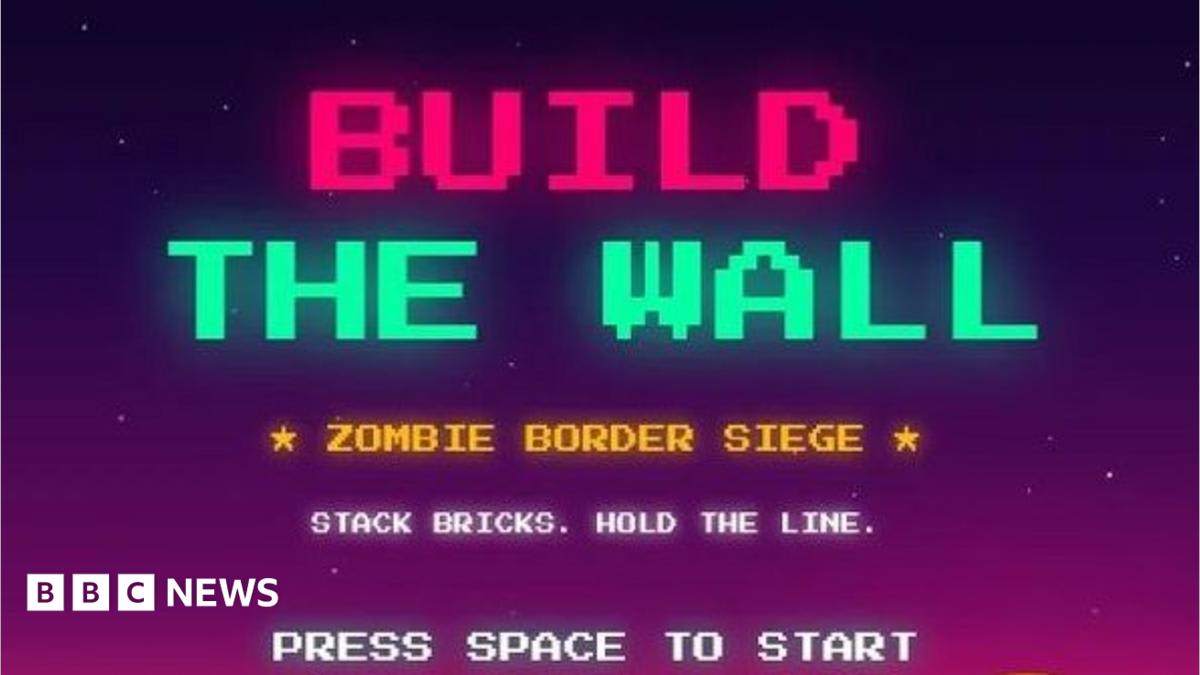
The White House removed a Tetris-style arcade game titled 'Build The Wall' from its website following copyright infringement concerns raised by The Tetris Company. The game, which involved stacking blocks to build a border wall, was pulled shortly after the company publicly distanced itself from the project.
The Intersection of Digital Media and Political Messaging
The recent removal of the 'Build The Wall' arcade game from the official White House website marks a rare collision between government digital outreach and intellectual property rights. The game, which utilized mechanics synonymous with the world-famous Tetris franchise, allowed users to stack digital blocks to construct a border wall. Its sudden disappearance highlights the complexities of using popular cultural motifs in political communication, particularly when such usage borders on unauthorized commercial or trademarked likeness.
Intellectual Property and Public Perception
On September 4, The Tetris Company issued a stern public statement via X (formerly Twitter), explicitly clarifying that they were not involved in the game’s creation. By emphasizing that they take "copyright infringement very seriously," the company effectively forced a public confrontation regarding the unauthorized use of their intellectual property. The firm further distanced itself from the game’s underlying political message, stating that their brand stands for "building people together, not dividing them," which created a significant reputational misalignment for the White House.
The Role of Arcade Games in Official Communication
This incident is particularly notable because the 'Build The Wall' game was one of five arcade-style offerings hosted on the White House website. This strategy represents a broader shift toward gamification in political engagement, where government entities attempt to reach younger or digitally native audiences through interactive content. However, the reliance on established game mechanics—without proper licensing—exposes the administration to legal and ethical scrutiny that can overshadow the intended policy messaging.
Legal and Institutional Implications
While the White House has remained silent regarding the specific reasons for the removal and has not responded to media inquiries, the timeline suggests that the copyright concerns were the primary catalyst for the takedown. Legal experts often note that government entities are not immune to the requirements of intellectual property law. By using a recognizable game structure, the administration inadvertently invited a public challenge from a private corporation, turning a policy-themed activity into a case study on trademark protection.
Future Trends in Digital Political Engagement
Looking forward, this event serves as a cautionary tale for government digital strategy offices. As political entities continue to experiment with interactive media to influence public discourse, the need for rigorous vetting of intellectual property becomes paramount. The failure to secure rights or ensure the originality of digital content can lead to embarrassing public retractions and distract from the core policy objectives the content was meant to support.
Conclusion
The 'Build The Wall' episode demonstrates the fragility of digital political campaigns when they rely on borrowed cultural capital. By failing to account for the copyright sensitivities of the brand they mimicked, the White House created a situation where the medium—rather than the message—became the focus of the news cycle. As digital platforms continue to evolve, the necessity for a balanced approach that respects private property while engaging the public remains a critical challenge for modern governing bodies.