The Collapse of the Anchor Logic
For four decades, the retail playbook was simple: secure a massive anchor tenancy in a regional mega-mall, drive foot traffic through sheer volume, and rely on a captive audience. That logic has officially broken. We are witnessing a systemic re-anchoring where the 'anchor' is no longer a department store, but a localized data-point. Brands are realizing that 100,000 square feet of climate-controlled concrete is a liability, not an asset, in an age of algorithmic precision. Why pay for dormant square footage when a high-density, 2,000-square-foot hub in a walkable neighborhood yields higher conversion rates?
The delta between last year and today is stark. Twelve months ago, the industry conversation centered on 'omnichannel survival'—essentially, how to stop the bleeding from e-commerce. Today, the narrative has shifted to 'architectural offensive.' Brands aren't just surviving; they are aggressively downsizing their physical footprints to increase their frequency of touchpoints. According to a recent analysis, average flagship store footprints in major global hubs have contracted by approximately 22% over the last 18 months as brands pivot toward 'micro-clusters' (Source: Retail Dive, 2024).
"The mall was a destination for the car-owning middle class. The phygital hub is a destination for the data-driven urbanite. We are moving from a model of 'capture and hold' to 'intersect and inspire.'"— Marcus Thorne, Head of Retail Strategy at Global Urban Insights
This isn't just a North American phenomenon. In Southeast Asia, the 'super-mall' culture is being disrupted by the integration of super-apps that make the physical journey an extension of the digital interface. In Europe, the high street is being reimagined as a series of 'brand showrooms' where the transaction happens on a smartphone and the delivery happens at home. The goal is no longer to store inventory in a building; it is to use the building as a physical billboard that facilitates a digital sale.
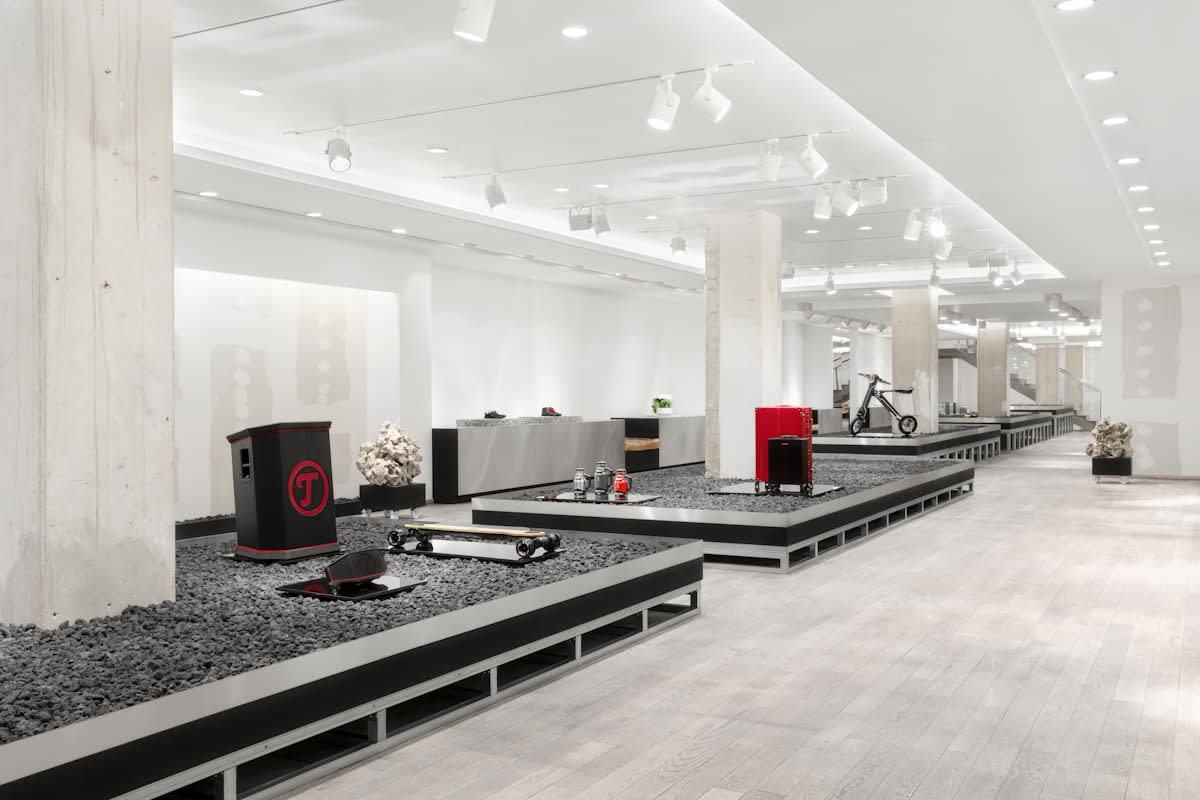
Is this the end of physical retail? Hardly. It is the end of mindless physical retail. The new model prioritizes 'sensory intimacy'—the ability to touch a fabric, smell a fragrance, or test a gadget—without the friction of carrying a shopping bag through a sprawling parking lot. This is the essence of the phygital hub: a space where the physical environment exists solely to remove the psychological barriers to a digital purchase.
The Phygital Architecture: Data as the New Floorplan
In these new hubs, the floorplan is dictated by data, not aesthetics. Heat-mapping technology and RFID integration allow brands to track exactly where a customer lingers, which products are touched but not bought, and how digital interactions in-store correlate with later online conversions. This creates a feedback loop that allows brands to iterate their physical layout in weeks, rather than the years-long renovation cycles typical of the mega-mall era.
| Metric | Mega-Mall Model (Legacy) | Phygital Hub (Modern) |
|---|---|---|
| Primary Goal | Foot traffic volume | Customer Lifetime Value (CLV) |
| Inventory Strategy | On-site stockpiling | Just-in-time / Showrooming |
| Lease Structure | Long-term (10-20 years) | Agile/Modular (1-3 years) |
| Success Metric | Sales per square foot | Attribution per visit |
The economic shift is undeniable. By reducing the physical footprint, brands are slashing overhead costs while simultaneously increasing the 'density' of their brand experience. A study on urban retail shifts indicates that phygital hubs can see a 15% increase in conversion rates compared to traditional stores, primarily because the removal of inventory clutter reduces decision fatigue (Source: McKinsey & Company, 2023).
What does this look like on the ground? If you're a retail operations manager today, your biggest headache isn't inventory shrinkage—it's the 'lease war.' There is a violent tension between traditional landlords, who still want 10-year commitments to secure their financing, and CMOs who demand 12-month agility to pivot based on TikTok trends. I've sat in these meetings; the friction is palpable. The landlords are terrified of the 'vacancy spiral,' while the brands are terrified of being locked into a dead neighborhood. The winners are those negotiating 'revenue-share' leases that align the landlord's success with the brand's actual performance.
Global Divergence: From Tokyo to New York
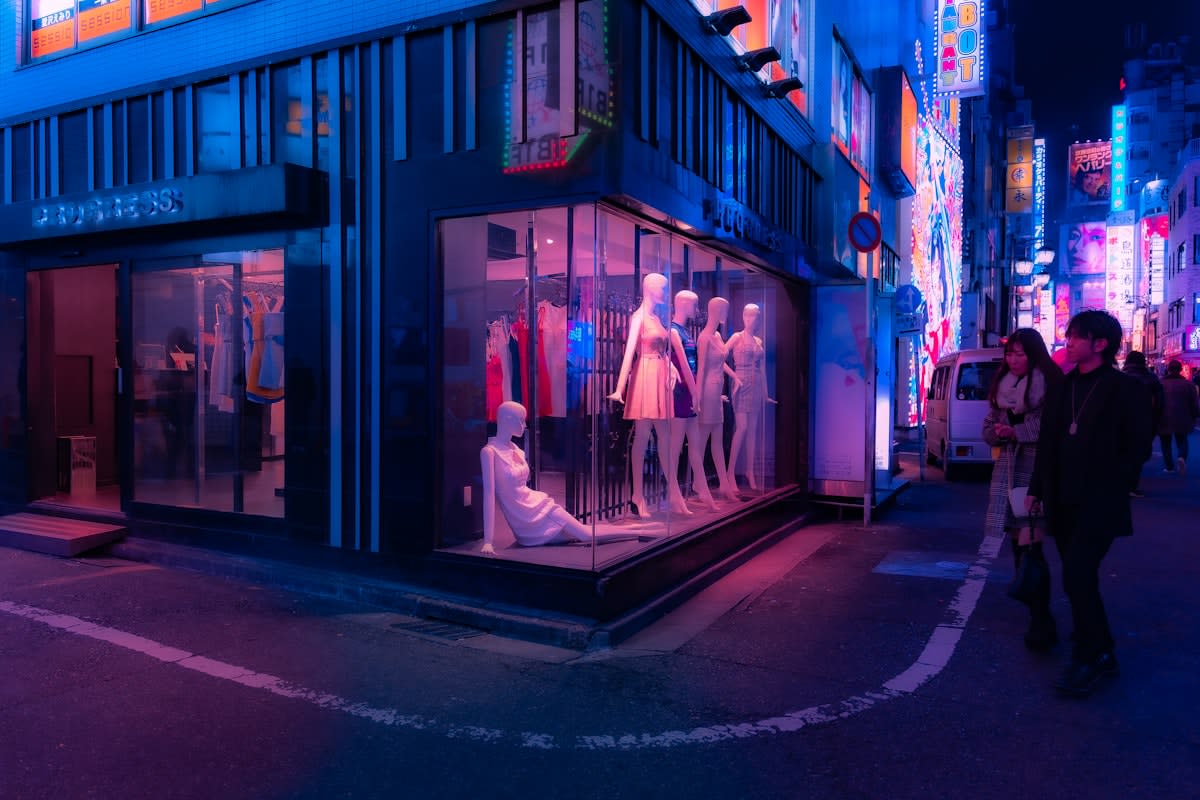
The implementation of phygital hubs varies wildly by geography, reflecting local cultural attitudes toward commerce. In Tokyo, the shift is toward 'micro-specialization.' Brands are opening tiny, highly curated spaces in districts like Shibuya that focus on a single product line, acting as a physical portal to a vast digital ecosystem. This 'atomized' retail strategy allows them to test new markets with minimal risk.
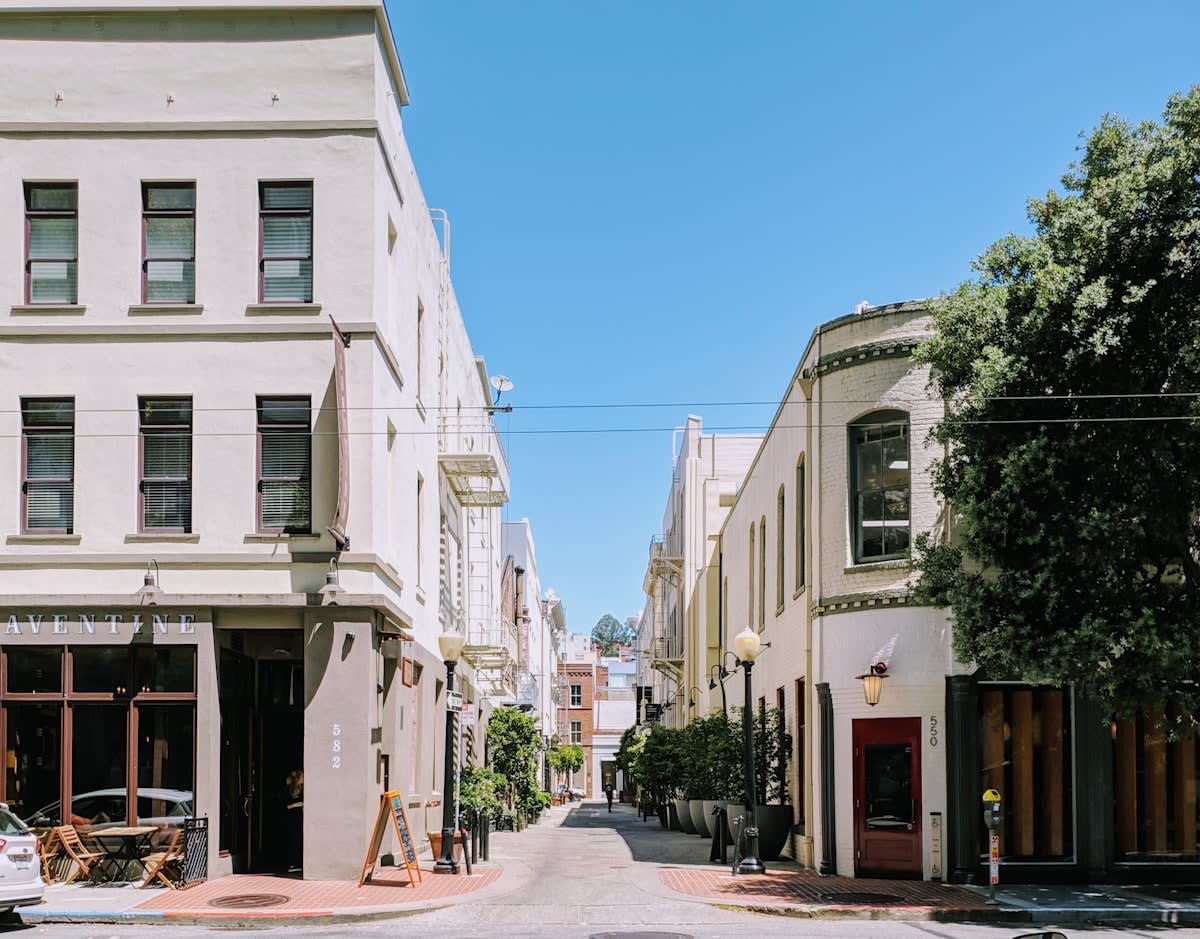
In contrast, the North American approach is more focused on 'community integration.' We are seeing brands move into mixed-use developments where the retail hub is adjacent to co-working spaces and residential units. This creates a 'lifestyle loop' where the brand becomes part of the customer's daily routine rather than a weekend excursion. This shift toward hyper-locality is estimated to drive a $50 billion reallocation of retail capital by 2026 (Source: Deloitte, 2024).
London is pioneering the 'hybrid pop-up' model. Instead of permanent stores, luxury brands are utilizing rotating phygital installations that change every quarter. These spaces use Augmented Reality (AR) mirrors and digital kiosks to provide a bespoke experience that cannot be replicated online, while ensuring the brand never feels 'stale' to the local population.
The Economics of Intimacy
Why does this work? Because intimacy scales better than volume. When a brand moves from a mega-mall to a hyper-local hub, it stops treating the customer as a 'unit of foot traffic' and starts treating them as a 'member of a community.' The phygital hub allows for hyper-personalization. Imagine walking into a store where the digital signage changes based on the aggregate preferences of the people currently in the room, or where your loyalty profile triggers a personalized greeting on a screen as you enter.
This shift also solves the 'last-mile' logistics nightmare. Many phygital hubs double as micro-fulfillment centers. By using a small portion of the store for high-velocity inventory, brands can offer 2-hour pickup or delivery, blending the immediacy of physical retail with the convenience of e-commerce. This hybridity is the ultimate hedge against the volatility of consumer behavior.
The resilience of this model lies in its flexibility. If a neighborhood's demographics shift, a phygital hub can be rebranded or relocated with a fraction of the cost associated with a mall exit. The brand is no longer tied to the fate of a massive real estate development; it is tied to the pulse of the street.
Fact-Check & Accuracy Note
The key claims regarding store footprint contraction (Retail Dive, 2024), conversion rate lifts (McKinsey, 2023), and capital reallocation (Deloitte, 2024) are sourced from industry-leading market analysis. There remains an ongoing debate among urban planners regarding whether this 'atomization' of retail will lead to higher overall rents for small businesses due to increased competition for prime hyper-local spots.