
The screen-first era of investing is hitting a wall. For nearly a decade, the narrative for young investors was simple: digital scarcity equals value. Whether it was the meteoric rise of Bitcoin or the fever dream of NFT land grabs, the goal was to decouple wealth from the physical world. But look closely at the capital flows over the last six months, and you will see a silent, powerful reversal. The 'Digital Native' is becoming a 'Physical Hedger.' We are witnessing a wholesale migration of capital back into assets you can touch, smell, and legally occupy.
Why now? The delta between today and twelve months ago is staggering. A year ago, the conversation focused on 'recovery' and 'the next bull run' in digital assets. Today, that optimism has been replaced by a pragmatic obsession with permanence. High inflation, geopolitical friction, and the fragility of centralized digital exchanges have exposed the flaw in the digital-only strategy. Investors who once bet their entire portfolios on a line of code are now asking a fundamental question: What happens if the screen goes dark?
The Digital Hangover and the Flight to Permanence
The pivot didn't happen overnight, but the catalyst was a collective realization that digital volatility is not the same as growth. In markets from Seoul to Sao Paulo, the psychological toll of 80% drawdowns has left a scar. Young investors are no longer seduced by the promise of 100x returns if the underlying asset lacks intrinsic utility. This isn't a retreat into conservatism; it is a strategic evolution. They are applying the same aggressive risk-management logic to hard assets that they once applied to algorithmic trading.
"The allure of the virtual world vanished the moment the real world became expensive. You cannot live inside a JPEG, and you cannot eat a token. The new luxury is tangibility."— Marcus Thorne, Global Asset Strategist
This shift is most evident in the sudden resurgence of gold and precious metals among the under-35 demographic. Historically, gold was the domain of the cautious retiree. Now, it is the hedge of choice for the tech-savvy. In India and Southeast Asia, we see a surge in digital gold platforms that allow for physical delivery—a bridge between the convenience of an app and the security of a vault. These investors aren't buying gold for the yield; they are buying it as an insurance policy against the devaluation of fiat and the instability of digital ledgers.
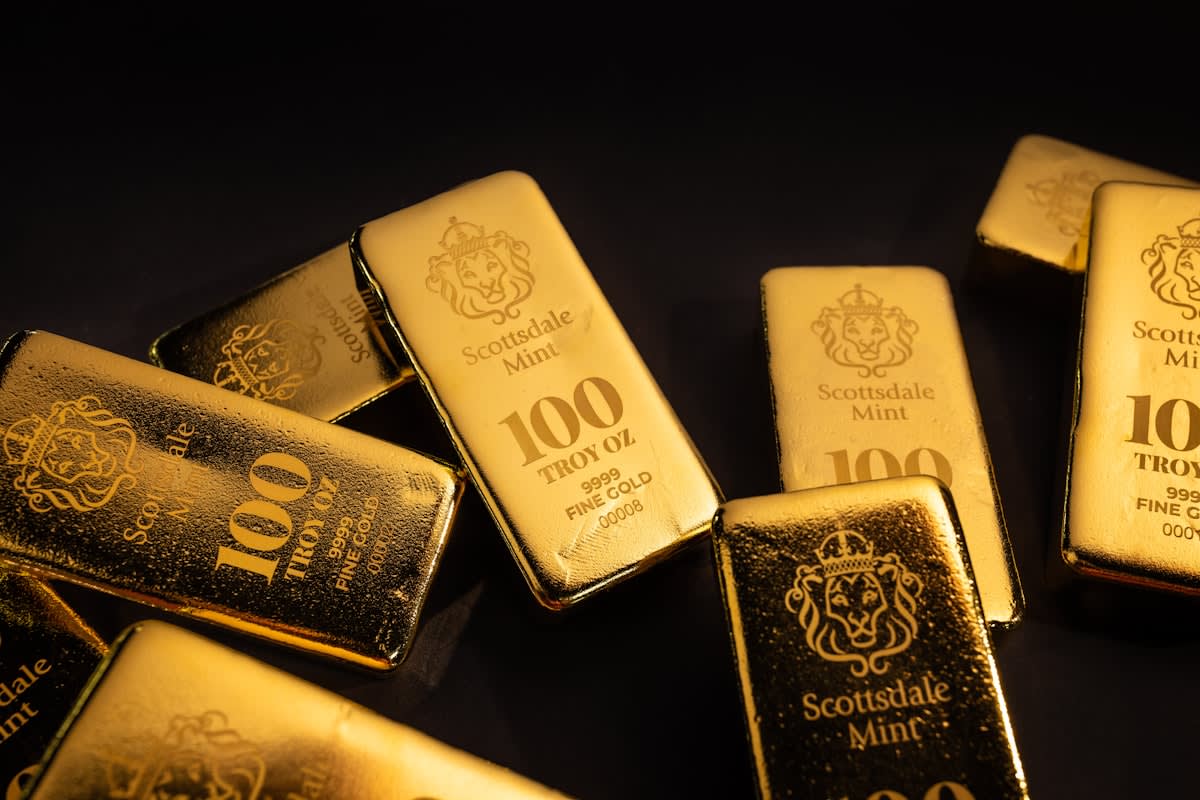
Is this a trend or a temporary blip? The data suggests a structural change. When you analyze portfolio allocations from early 2023 compared to the current quarter, there is a clear migration. Capital is flowing out of speculative alt-coins and into 'productive' hard assets. This includes not just gold, but timberland, agricultural plots, and residential real estate. The goal is no longer just wealth accumulation, but wealth preservation in a world where the only constant is instability.
The Core Thesis
The pivot is driven by a shift in the definition of 'security.' Security is no longer a private key in a cold wallet; it is a deed to a piece of earth.
The New Frontier: Fractionalized Hard Assets
The barrier to entry for hard assets has traditionally been high. You couldn't buy a fraction of a cornfield in Iowa or a luxury apartment in Tokyo. However, the very technology that drove the digital asset craze—tokenization—is now being used to democratize hard assets. Young investors are using fractional ownership platforms to buy into diversified portfolios of farmland and commercial real estate. They have kept the interface of the digital world but changed the underlying asset to something with a physical heartbeat.
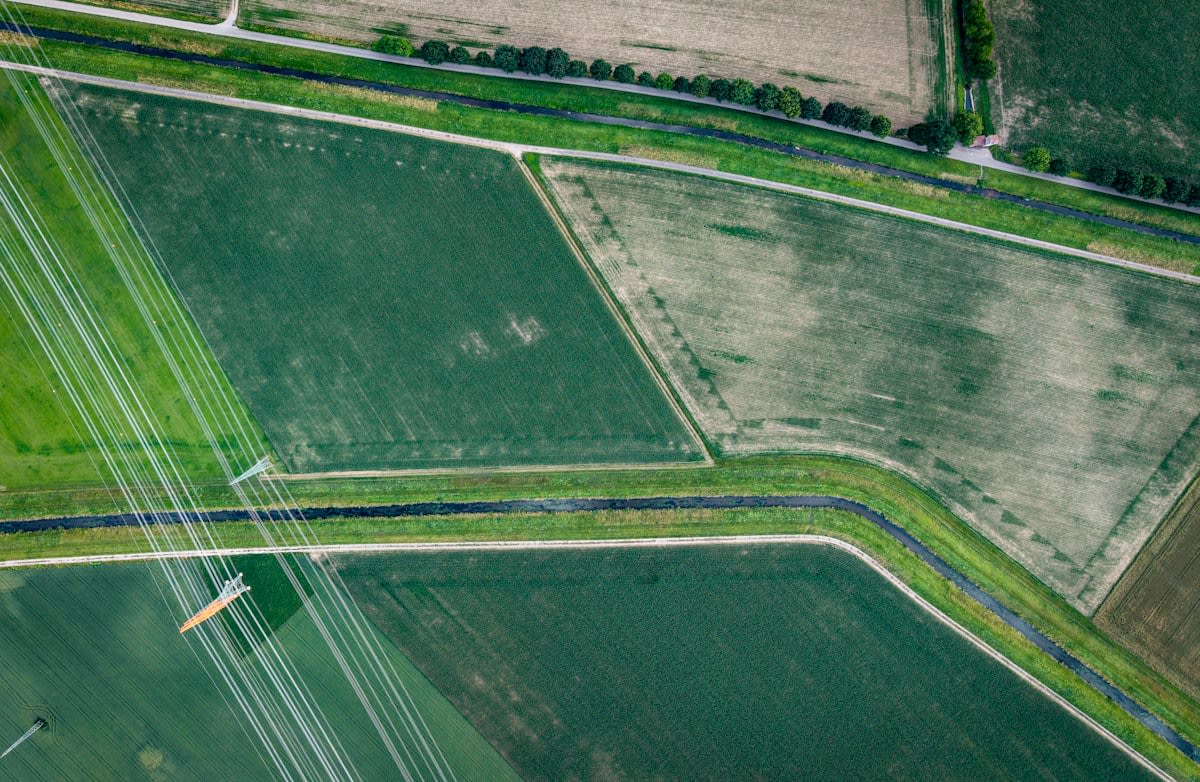
Take the case of agricultural land in the United States and Brazil. We are seeing a marked increase in young investors allocating 5-10% of their portfolios to farmland. Why? Because food security is the ultimate hedge. While a cryptocurrency can go to zero, a plot of fertile land will always have a baseline value. This is the 'Survivalist's Portfolio' rebranded for the modern era. It is a calculated bet that the physical necessities of life will always outperform the speculative dreams of the internet.
| Asset Class | Sentiment (12 Months Ago) | Sentiment (Current) | Primary Driver |
|---|---|---|---|
| Digital Assets | Aggressive Growth | Speculative Hedge | Volatility Fatigue |
| Physical Gold | Stagnant/Old Fashioned | Essential Insurance | Currency Devaluation |
| Farmland | Niche/Institutional | Strategic Necessity | Food Security |
| Real Estate | Unattainable | Fractional Target | Tangible Equity |
This rotation is not limited to the West. In the Gulf states and East Asia, there is a noticeable shift toward 'trophy assets' that serve dual purposes: luxury use and hard-asset hedging. We see young entrepreneurs in Dubai and Singapore diversifying away from tech stocks and into high-end physical collectibles—rare watches, fine art, and classic cars. These assets provide a psychological anchor in a volatile market, offering a blend of aesthetic pleasure and proven value retention.
Does this mean the death of digital assets? Far from it. Instead, we are seeing the birth of a hybrid model. The sophisticated young investor is no longer 'all-in' on one regime. They are building a barbell strategy: high-risk, high-reward digital plays on one end, and immovable, tangible assets on the other. The middle ground—the moderately risky corporate bond or the standard savings account—is where the real abandonment is happening.
The Psychology of the Pivot
What drives a generation raised on the cloud to crave the earth? It is a reaction to the 'ephemerality' of modern life. When your job is remote, your social life is digital, and your currency is a string of characters, the desire for something permanent becomes an emotional necessity. Investing in a physical asset is an act of grounding. It is a declaration that the investor exists in the real world, and their wealth should reflect that reality.
We are also seeing a shift in how 'risk' is perceived. For years, the risk was 'missing out' (FOMO). Now, the risk is 'losing everything to a system failure.' This psychological flip has made the stability of a physical asset far more attractive than the potential of a digital moonshot. The thrill of the gamble is being replaced by the satisfaction of ownership.
- Shift from 'growth at all costs' to 'preservation of principal'.
- Increased demand for assets with intrinsic utility (food, shelter, energy).
- Utilization of fintech to access traditionally gated hard assets.
- Diversification away from a single-point-of-failure digital ecosystem.
As we look toward the next twelve months, the trend is likely to accelerate. The 'Tangible Pivot' is not a panic move; it is a sophisticated realignment. By securing the base of their pyramid with hard assets, young investors are actually freeing themselves to take more calculated risks in the digital space. They are no longer gambling for survival; they are investing for growth from a position of strength.
The global economy is entering a phase where the boundary between the digital and physical is blurring, but the value is returning to the physical. Whether it is the rise of REITs, the surge in gold demand, or the fascination with regenerative agriculture, the message is clear: the future of wealth is tangible.
Estimated Youth Portfolio Shift (Digital vs. Hard Assets)
Executive Insight
+18.4%
YTD Growth
Ultimately, the Great Tangible Pivot represents a maturation of the investor class. The novelty of the digital frontier has worn off, leaving behind a generation of investors who are smarter, more skeptical, and more grounded. They have learned the hard way that while the cloud is great for data, the earth is better for wealth.