Heavy rains, squally wind likely in West Bengal from September 22
Source Entity
India Latest News: Top National Headlines Today & Breaking News | The Hindu
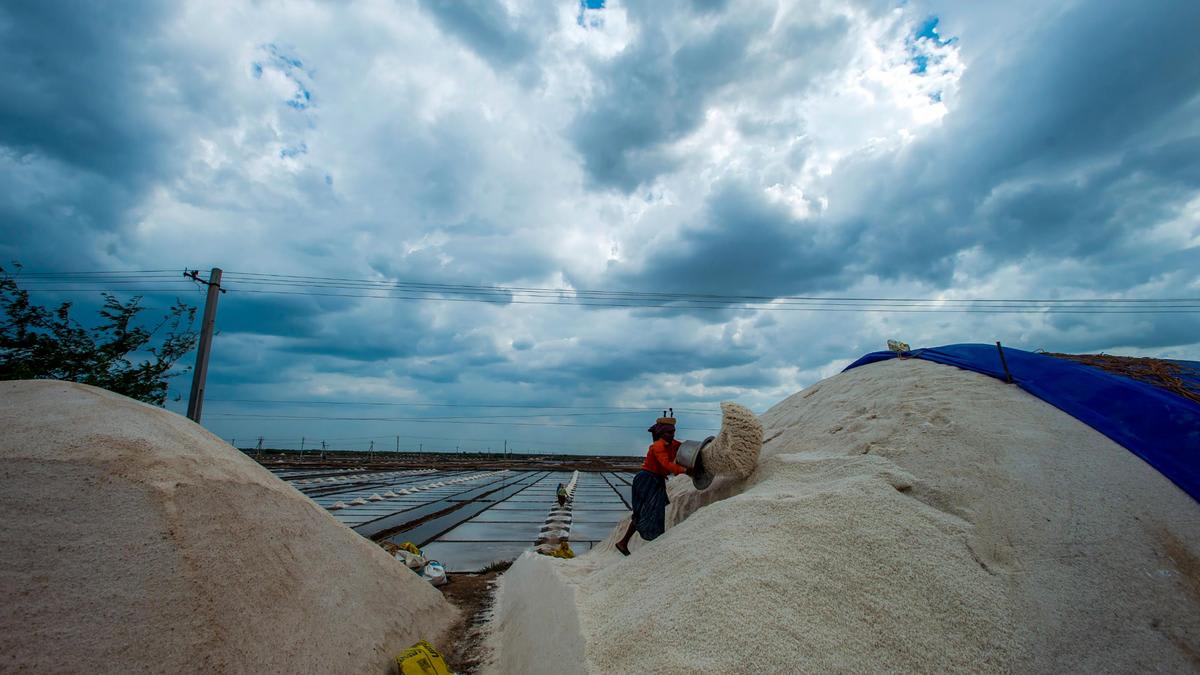
Recent weather patterns across India show a revival of the southwest monsoon, bringing relief to Kerala and rain to Hyderabad. Meanwhile, a developing low-pressure system in the Bay of Bengal is expected to bring heavy rains and squally winds to West Bengal starting September 22.
Monsoon Revival and Regional Weather Shifts in India
Brief Showers Across Hyderabad
On Sunday, September 20, parts of Hyderabad experienced a reprieve from high temperatures as brief, scattered rainfall occurred following a cloudy morning. According to the Telangana Development Planning Society (TGDPS), the precipitation was localized but significant in specific regions, with Keesara recording 36.5 mm and Kavadiguda observing 34.8 mm of rainfall. While the city saw a return to sunny skies shortly thereafter, the broader Telangana region experienced more substantial downpours, with Chintakunta in Karimnagar recording a notable 76 mm, indicating a dynamic weather system moving across the state.
The Resurgence of the Monsoon in Kerala
Simultaneously, the state of Kerala has witnessed a significant revival of the southwest monsoon. After enduring nearly two weeks of dry, summer-like conditions, the state received widespread rainfall that successfully lowered temperatures to normal levels. This shift was largely attributed to the strengthening of the monsoon under the influence of weather patterns emerging from the Bay of Bengal. Data from the India Meteorological Department (IMD) highlights the intensity of this event, with Idukki’s Udumbannoor recording 13 cm of rain in a 24-hour period, showcasing the return of heavy, sustained precipitation to the region.
Developing Weather Systems in the Bay of Bengal
Central to these regional shifts is a low-pressure area currently situated over the east-central Bay of Bengal and the adjoining north Andaman Sea. Meteorologists note that this system is intensifying, with expectations that it will transition into a depression. The influence of this system is far-reaching, acting as a catalyst for the monsoon revival in the southern peninsula while simultaneously setting the stage for more volatile weather conditions in the eastern part of the country.
Impending Weather Challenges for West Bengal
The India Meteorological Department has issued warnings for West Bengal, projecting that the aforementioned low-pressure system will bring heavy rainfall and squally winds to the state starting September 22. This weather event is expected to persist through September 26, 2026. Coastal districts are anticipated to bear the brunt of this system, necessitating heightened vigilance as the depression brings gusty winds and high-intensity rainfall that could impact daily life and local infrastructure.
Broader Implications and Future Trends
The current weather activity underscores the highly variable nature of the late monsoon season in India. The transition of low-pressure areas into depressions is a critical factor in determining the distribution of rainfall across the subcontinent. As these systems move, they dictate the end-of-season moisture levels, which are vital for agricultural planning and water resource management. The interplay between the systems currently affecting Kerala, Telangana, and West Bengal demonstrates the interconnectedness of India’s meteorological landscape, where a single depression in the Bay of Bengal can trigger diverse climatic outcomes across different states.
Conclusion
In summary, India is currently experiencing a complex meteorological phase characterized by the revival of monsoon strength in the south and the arrival of a new, potentially severe weather system in the east. Residents in affected areas, particularly in West Bengal, are advised to monitor IMD updates closely as the depression develops. These events highlight the ongoing necessity for robust disaster preparedness and accurate meteorological forecasting to mitigate the impacts of heavy rainfall and squally winds as the monsoon season progresses toward its conclusion.
Multiple Citing Sources
Verification Required?