Dubuque turned 67,000 plastic bottles into floating islands for wildlife
Source Entity
TOI WORLD DESK
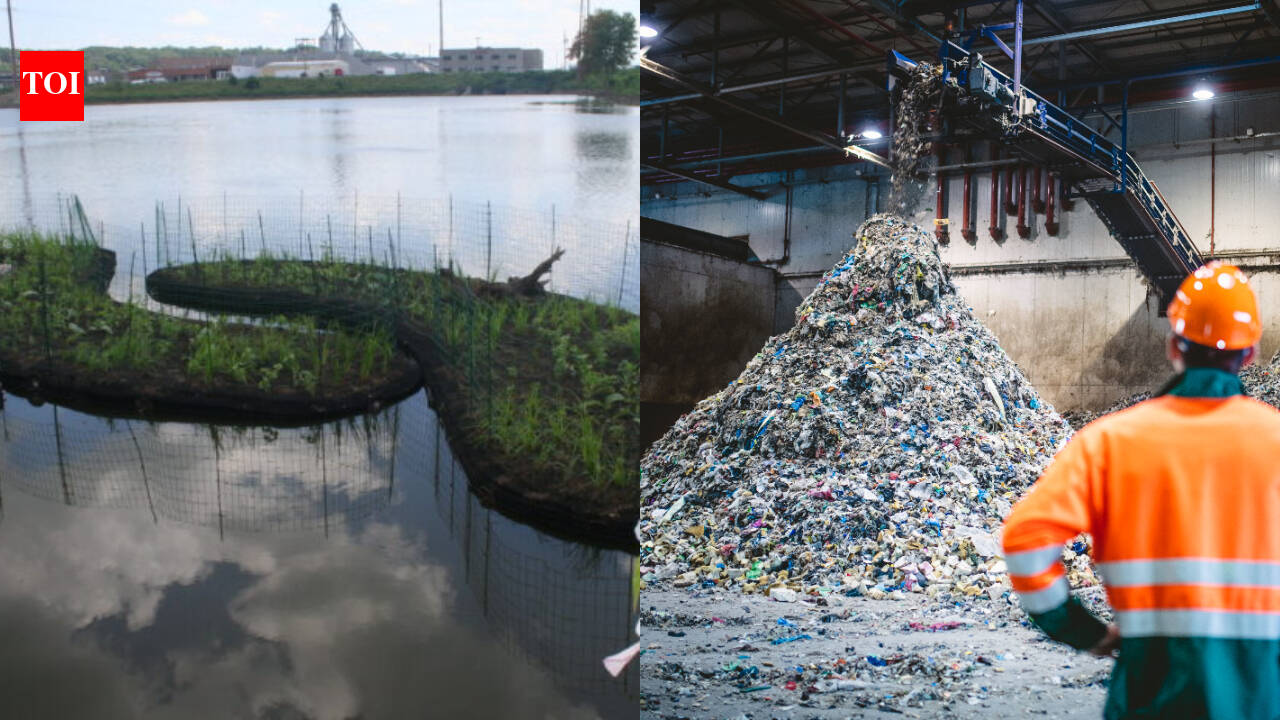
Dubuque, Iowa, has repurposed 67,000 plastic bottles into 14 floating islands within the restored Bee Branch Creek. These islands serve as both ecological habitats and a sustainable alternative to traditional flood mitigation infrastructure.
Transforming Urban Waterways: The Dubuque Experiment
In a pioneering effort to manage urban water systems, the city of Dubuque, Iowa, has successfully repurposed 67,000 plastic bottles to create 14 floating islands. These structures, covering a total of 2,674 square feet, serve as a testament to sustainable urban planning. By integrating recycled materials into the restoration of the Bee Branch Creek, the city has demonstrated that environmental engineering can provide functional solutions to long-standing infrastructure challenges.
Mimicking Natural Archipelagos
The design of these floating islands is not merely functional; it is intentional. Each of the 14 islands serves as a miniature replica of the natural archipelagos found along the Mississippi River. This design choice aims to restore local biodiversity by providing a sanctuary for wildlife that mirrors the river’s original ecosystem. The development process was rigorous, involving the testing of four prototype designs in various shapes and sizes before the final installation in 2017 to ensure structural integrity and ecological viability.
Rethinking Flood Mitigation
For years, Dubuque has grappled with the destructive impact of floodwaters. Traditionally, cities facing such threats rely on heavy civil engineering—concrete channels, massive pipes, and imposing walls. However, the Bee Branch Creek project represents a paradigm shift. By reopening a previously buried creek, the city transitioned from hard-scape flood control to a 'green infrastructure' model. The floating islands act as a soft, adaptive solution that works with the water rather than attempting to forcefully contain it.
The Role of Recycled Materials
The use of 67,000 plastic bottles highlights the potential of circular economy principles in municipal projects. By diverting plastic waste from landfills and repurposing it into floating habitats, the city has successfully reduced its environmental footprint. This approach not only provides a home for local flora and fauna but also serves as a carbon-conscious alternative to industrial-grade building materials, which often have high manufacturing and transport costs.
Long-Term Ecological Sustainability
The maintenance of these islands is a critical component of their success. Ensuring the islands remain in good health requires ongoing monitoring to balance the needs of the wildlife they support with the structural demands of the creek’s hydrology. As these islands evolve, they provide valuable data on how urban waterways can be rehabilitated to act as both flood management tools and vibrant, natural corridors within city limits.
Future Implications for Urban Planning
Looking ahead, the Dubuque experiment provides a scalable blueprint for other river-adjacent cities. As climate change increases the frequency and severity of urban flooding, the reliance on traditional concrete infrastructure may become increasingly unsustainable. The success of the Bee Branch Creek initiative suggests that integrating nature-based solutions—supported by recycled materials—could be the future of resilient urban design, proving that ecological restoration and flood protection can exist in harmony.