Why is the September full moon called the harvest moon? Know the timings in California, Utah, and Texas
Source Entity
Latest News: Todays Latest News Headlines from India & World | Hindustan Times | Hindustan Times
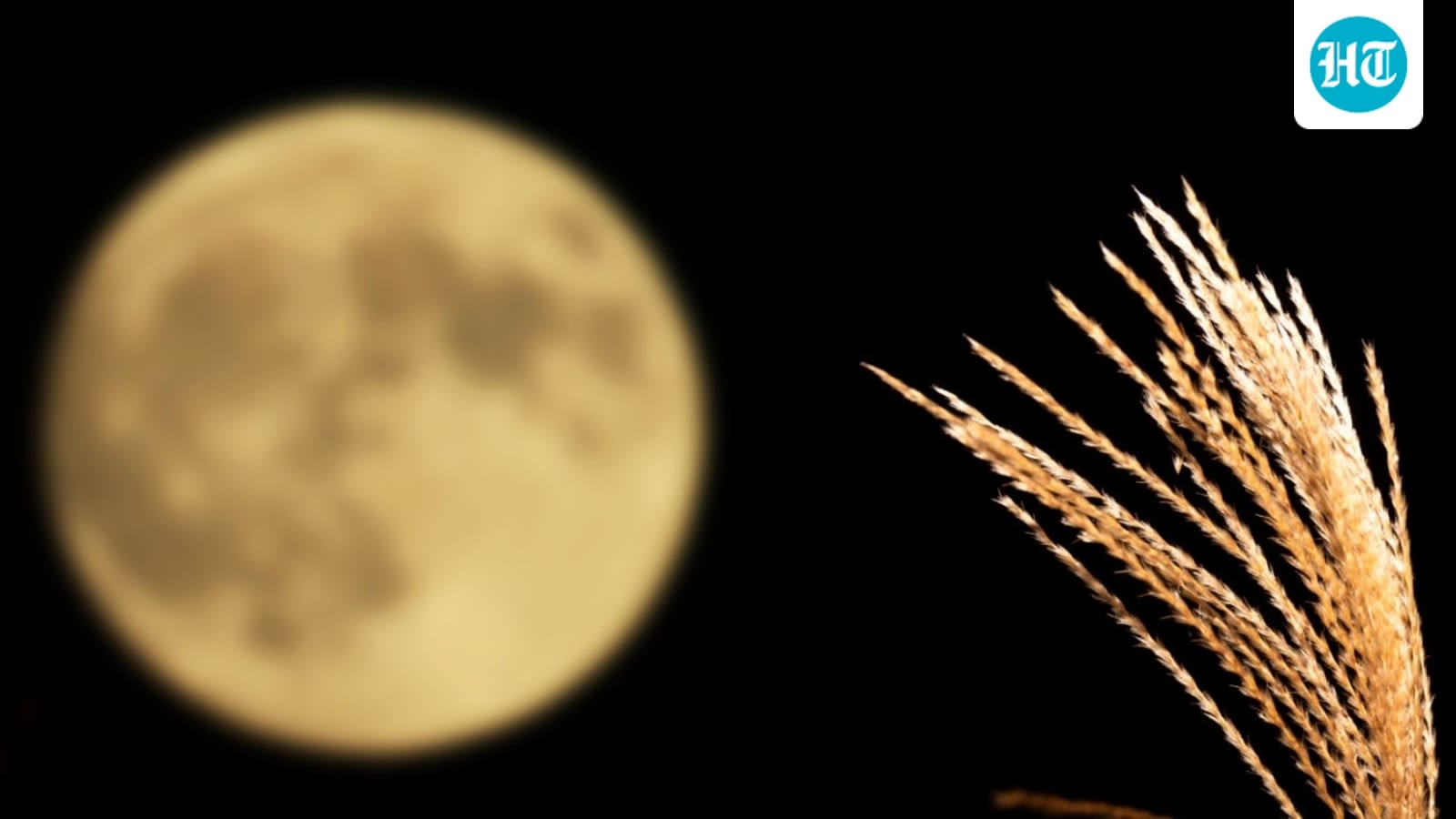
The September 2026 Harvest Moon will reach its peak on September 26. This lunar event is named for the extended evening moonlight it provides, historically aiding farmers during the autumn harvest season.
Understanding the 2026 Harvest Moon
On September 26, 2026, the United States will witness the peak of the Harvest Moon. While many associate full moons strictly with the calendar month in which they occur, the nomenclature of the Harvest Moon is rooted in specific astronomical timing relative to the Earth's seasonal cycles. According to the Old Farmer’s Almanac, the Harvest Moon is defined as the full moon that falls closest to the autumnal equinox, serving as a celestial marker for the transition into the fall season.
The Astronomical Mechanics of the Harvest Moon
The phenomenon behind the Harvest Moon’s name is grounded in the geometry of the Earth-Moon orbit during the approach of the autumnal equinox. In most months, the moon rises approximately 50 minutes later each successive night. However, near the equinox, the angle of the moon's orbit relative to the horizon is such that it rises only 25 to 30 minutes later each evening. This rapid sequence of moonrises creates a period of extended evening illumination that has historically been significant for agricultural societies.
Historical and Cultural Significance
For generations, this additional moonlight provided by the Harvest Moon was a crucial resource for farmers. Before the advent of modern mechanized farming and artificial lighting, the extra light allowed agricultural workers to continue harvesting their crops well after sunset. This practical utility cemented the moon's place in folklore and tradition, turning a simple orbital occurrence into a celebrated seasonal event that signals the conclusion of the growing season.
Visual Characteristics and Atmospheric Effects
Beyond its utility, the Harvest Moon is often noted for its aesthetic qualities. As the moon rises near the horizon during this time of year, it frequently appears with a warm, golden, or even reddish hue. This visual effect is caused by the scattering of light through the Earth's thicker atmosphere when the moon is low, a common occurrence for many full moons but one that is particularly highlighted during the autumnal transition.
Future Trends and Observational Guidance
As we look toward September 2026, observers across states like California, Utah, and Texas are encouraged to prepare for the peak on the 26th. Because the timing of the peak is linked to the equinox, the specific windows of optimal viewing will vary slightly by geography. As interest in amateur astronomy and celestial events continues to grow, the Harvest Moon remains a focal point for both casual skywatchers and those interested in the intersection of traditional agriculture and planetary science.
Verification Required?