Six Indian animals that spend most of their lives underground
Source Entity
The Indian Express
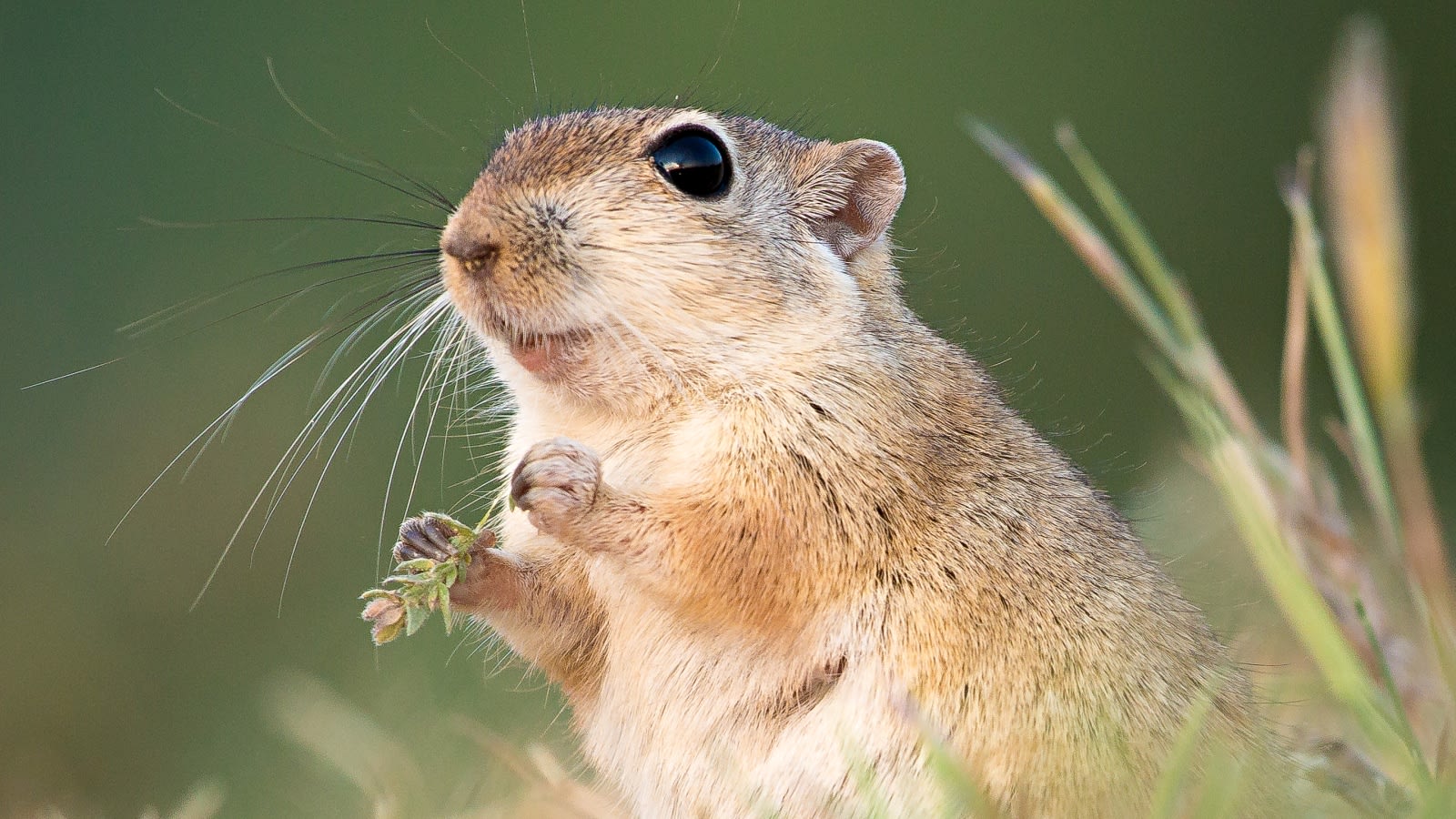
India's diverse ecosystem hosts several unique species that primarily dwell in underground burrows to survive. These creatures, including the Indian pangolin, rely on specialized physical adaptations for fossorial lifestyles.
The Hidden Biodiversity of India: Life Beneath the Soil
When we contemplate the vast biodiversity of the Indian subcontinent, our minds often gravitate toward the iconic apex predators of the grasslands or the vibrant avian life of the wetlands. However, a significant portion of India's biological heritage remains concealed beneath our feet. A subset of specialized animals has evolved to lead a largely fossorial existence, meaning they spend the majority of their lives in subterranean burrows to escape environmental stressors and predators.
Adaptations for a Subterranean Life
The survival of these species is predicated on remarkable physiological and behavioral adaptations. Animals that dwell underground must navigate compacted soil, regulate their body temperatures in stable subterranean climates, and find sustenance in environments where light is non-existent. The Indian pangolin, for instance, serves as a prime example of this evolutionary strategy. Equipped with powerful claws, it acts as a master excavator, creating complex burrow systems that provide both shelter and protection from the harsh daylight hours.
The Indian Pangolin: A Case Study in Fossorial Behavior
The Indian pangolin is perhaps the most recognizable creature in this category, distinguished by its unique, armor-like overlapping scales. While these scales are its primary defense mechanism against surface threats, the animal's true sanctuary is the underground burrow. By remaining nocturnal and spending the daylight hours deep within the earth, the pangolin effectively minimizes its exposure to diurnal predators and heat, emerging only under the cover of darkness to forage.
Ecological Significance and Habitat Security
These underground dwellers play a vital role in soil aeration and nutrient cycling, acting as silent engineers of the Indian landscape. Their constant digging and burrowing help maintain soil health, which in turn benefits the flora of the region. However, this fossorial lifestyle also makes them particularly vulnerable to habitat degradation. When soil structure is compromised by human expansion, agriculture, or deforestation, the delicate burrow systems of these animals are destroyed, leaving them without their primary refuge.
Future Trends in Conservation
As we look toward the future of wildlife management in India, it is imperative that conservation strategies encompass not just the protection of surface-level wildlife corridors, but also the preservation of soil integrity. Understanding the life cycles of these six specialized animals—and others like them—is crucial for maintaining the ecological balance of Indian forests and grasslands. Without targeted research into their underground habits, we risk losing species that are essential to the hidden functionality of our natural world.
Conclusion: Protecting the Unseen
In summary, the subterranean life of India’s wildlife highlights the complexity of the country’s ecological tapestry. From the armored Indian pangolin to other elusive burrowing species, these creatures remind us that conservation must be holistic. By safeguarding the soil and the habitats these animals rely on, we ensure the survival of some of the most unique and resilient members of the Indian ecosystem.