A milestone at Kuno: Cheetah born to South African feline now has four cubs of its own
Source Entity
Anand Mohan J
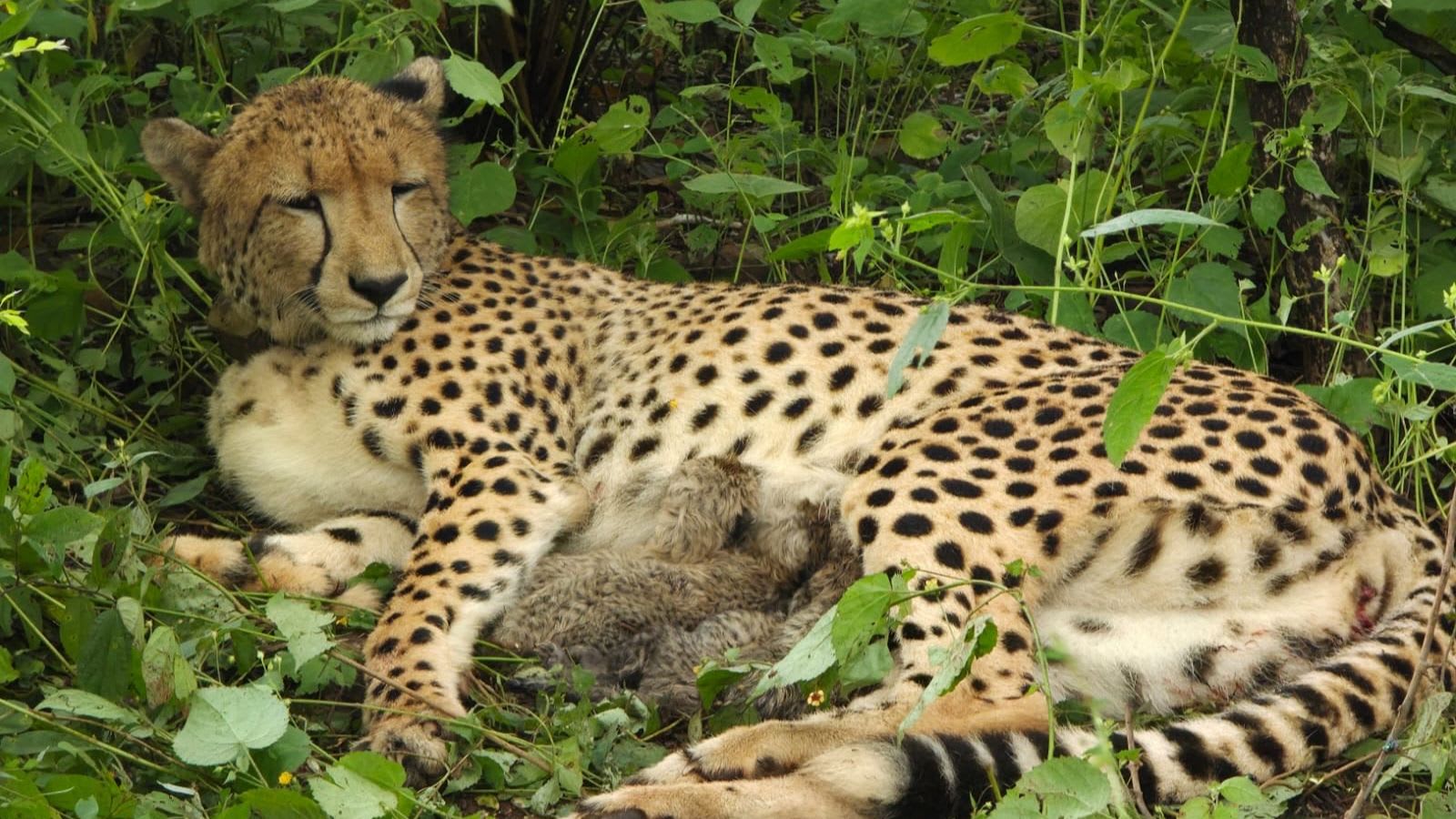
Project Cheetah marks its fourth anniversary with India’s cheetah population reaching 52, bolstered by successful natural breeding. The birth of four cubs to the India-born female KGP12 signifies a major milestone in the long-term sustainability of the restoration programme.
The Evolution of Project Cheetah: A Four-Year Milestone
September 17, 2026, marked the fourth anniversary of Project Cheetah in India, a pioneering conservation initiative that began with the arrival of eight wild cheetahs from Namibia. Since its inception, the program has evolved from a translocation experiment into a self-sustaining ecological effort. With the total population now reaching 52 individuals, including 32 cubs born on Indian soil, the project has successfully transitioned from its initial acclimatization phase to a period of active, natural population growth.
The Significance of Second-Generation Success
A critical milestone in this journey is the recent birth of four cubs to the female cheetah KGP12. This event is particularly symbolic because KGP12 is a product of the reintroduction program herself, being the daughter of the South African cheetah Gamini. The survival and reproductive success of a second-generation Indian-born cheetah validate the ecological suitability of Kuno National Park and demonstrate that the translocated big cats have successfully adapted to the Indian climate and prey base.
Expanding the Habitat Footprint
While Kuno National Park currently hosts 49 of the 52 cheetahs, the program is expanding its geographical footprint. The presence of three cheetahs in the Gandhi Sagar Sanctuary highlights the government's strategic shift toward establishing a 'meta-population.' By diversifying the habitats where these animals reside, officials aim to mitigate the risks associated with confining the entire population to a single location, ensuring greater resilience against localized environmental pressures or disease outbreaks.
Monitoring and Management Strategies
The ongoing success of the project relies heavily on rigorous field monitoring. Forest staff at Kuno National Park, led by field director Uttam Sharma, have maintained a disciplined observation protocol, allowing the cheetahs to thrive with minimal human interference. This balance between scientific oversight and allowing natural behaviors—such as the rearing of cubs—has been instrumental in achieving the current survival rates and breeding milestones documented over the past four years.
Future Trends and Long-Term Vision
Looking ahead, the focus of Project Cheetah will shift toward establishing a comprehensive, long-term meta-population across various suitable landscapes in India. The goal is to move beyond mere survival and toward the creation of a stable, self-sustaining population that can eventually thrive across a wider network of protected areas. The success of KGP12 and her cubs serves as a blueprint for future conservation efforts, proving that intensive management can facilitate the return of a species to its historical range.
Conclusion: A Triumph for Conservation
The transformation of Project Cheetah from a bold translocation project to a breeding success story is a significant achievement in modern wildlife management. By effectively integrating international cooperation with local ecological expertise, India has set a global precedent for carnivore restoration. As the program enters its fifth year, the emphasis remains on habitat expansion and the protection of these new generations, ensuring that the cheetah remains a permanent part of India’s natural heritage.