Solstice vs equinox: What is the difference, and what do they mean in astrology?
Source Entity
Latest News: Todays Latest News Headlines from India & World | Hindustan Times | Hindustan Times
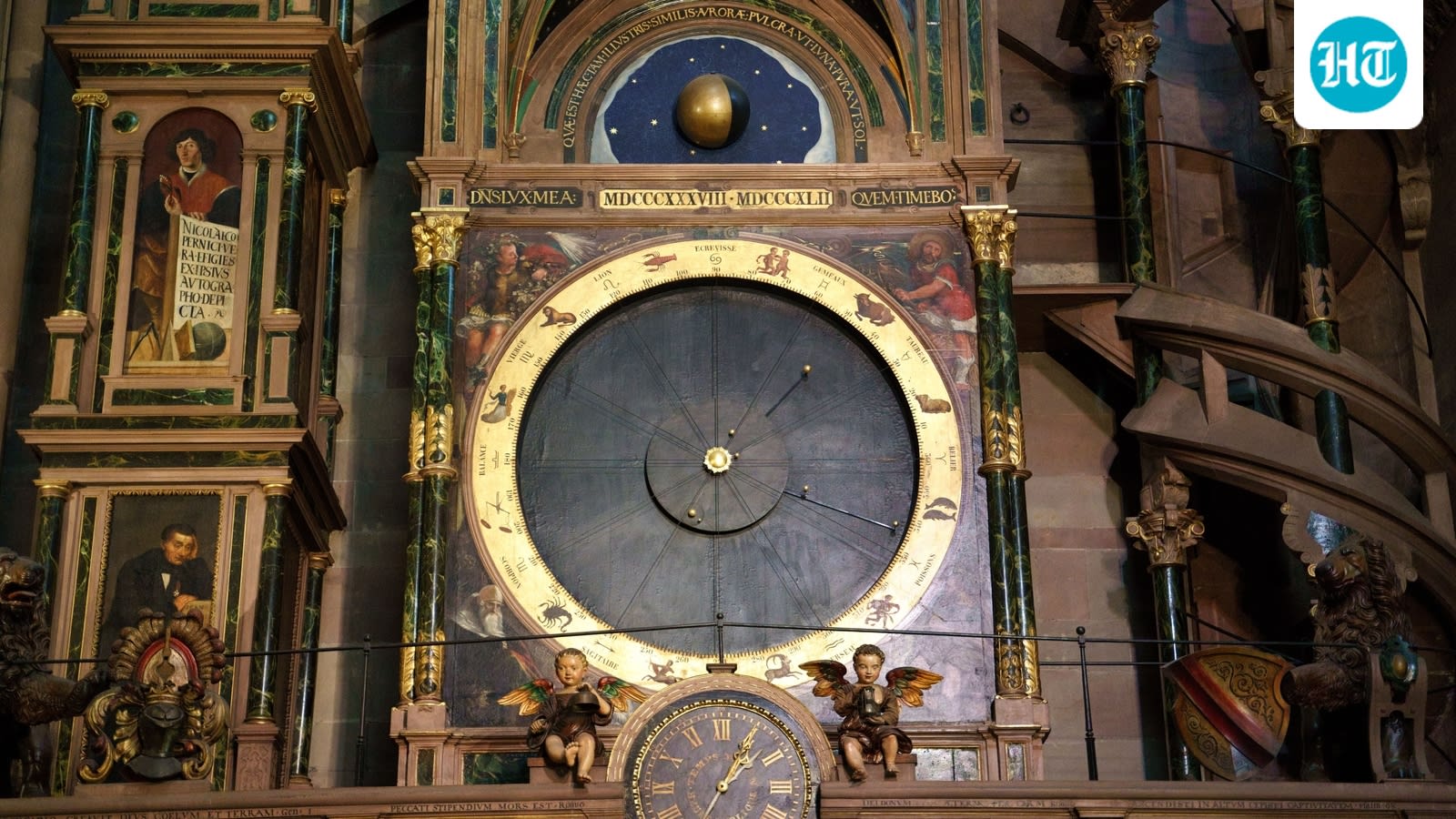
The spring and fall equinoxes, alongside summer and winter solstices, serve as vital astronomical markers that dictate seasonal transitions. In Western astrology, these four events correspond to the cardinal zodiac signs, marking significant shifts in the calendar.
Understanding the Celestial Calendar: Solstices and Equinoxes
In the study of both astronomy and astrology, the solar year is defined by four pivotal moments: the spring equinox, summer solstice, fall equinox, and winter solstice. While these terms are frequently used interchangeably in casual conversation, they represent distinct astronomical phenomena dictated by the Earth's orbit and axial tilt. Understanding these events is essential for grasping the fundamental rhythms of our planet and how they are interpreted through various cultural and astrological lenses.
Astronomical Foundations
At the core of these events are the varying positions of the Earth in relation to the Sun. Astronomically, these points mark the extremes and balance points of our planet’s orbital path. The equinoxes represent moments when the Sun is positioned directly above the Earth's equator, resulting in nearly equal day and night lengths across the globe. Conversely, the solstices mark the points where the Sun reaches its northernmost or southernmost extremes, leading to the longest and shortest days of the year, respectively.
The Astrological Connection
Beyond the scientific measurements, these four checkpoints hold significant weight within Western astrology. The Old Farmer’s Almanac characterizes these as the primary turning points of the seasonal year, a perspective that aligns closely with how astrologers map the movement of the zodiac. In this system, the solar cycle is not merely a physical event but a cyclical journey that reflects human and natural patterns through the lens of the twelve zodiac signs.
Cardinal Signs and Seasonal Transitions
Each of the four astronomical events is intrinsically linked to one of the four cardinal zodiac signs. Aries, Cancer, Libra, and Capricorn act as the initiators of the zodiac, each corresponding to a seasonal change. These signs are considered 'cardinal' because they represent the beginning of a season, acting as catalysts for transition and change. This synthesis of astronomy and astrology provides a framework for followers to interpret the shifting energy of the environment.
Broader Implications and Future Trends
As we look toward the future, the reliance on these four markers remains a constant in both agricultural planning, as highlighted by sources like The Old Farmer’s Almanac, and in the ongoing practice of astrological forecasting. While science explains the mechanics of the solar system, astrology provides a symbolic narrative for these transitions. The intersection of these fields continues to influence how people perceive time, seasonal shifts, and the broader celestial influence on daily life.
Verification Required?