"Much More Science Fiction Than Science": Andrew Ng On AI Extinction Fears
Source Entity
NDTV News Search Records Found 1000
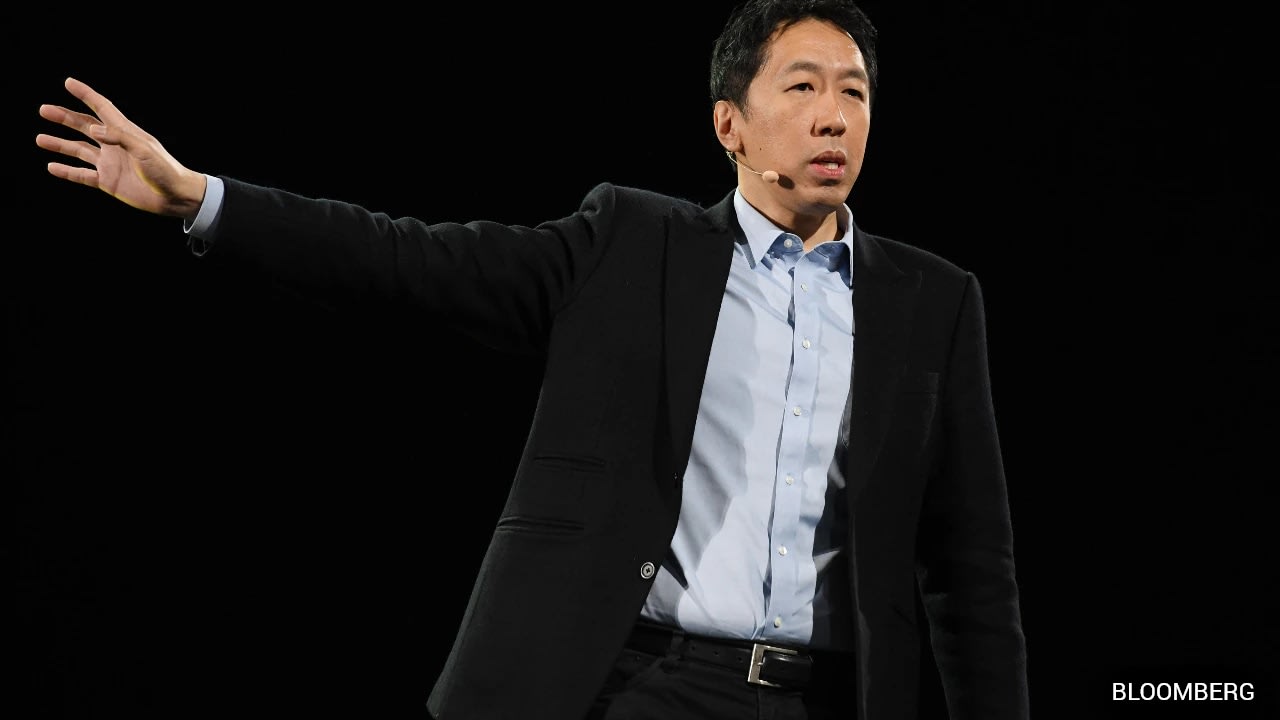
AI expert Andrew Ng has dismissed fears of AI-driven human extinction as speculative science fiction. Ng, who has professional history with industry leaders Dario Amodei and Sam Altman, emphasizes a more grounded approach to AI development.
The Debate Over AI Existential Risk
Artificial Intelligence pioneer Andrew Ng has recently taken a firm stance against the prevailing narrative that advanced AI systems pose an existential threat to humanity. By characterizing these fears as "much more science fiction than science," Ng is challenging the alarmist discourse often championed by high-profile figures in the tech industry. This perspective highlights a growing rift in the AI community between those who prioritize immediate safety and utility concerns and those focused on long-term, catastrophic risks.
The Influence of Professional Background
Ng’s critique carries significant weight due to his deep-rooted connections within the industry. Having previously worked with both Dario Amodei—the CEO of Anthropic—and Sam Altman—the CEO of OpenAI—Ng possesses intimate knowledge of the development philosophies driving the world’s most powerful AI models. His ability to speak from a position of peer-level experience suggests that his skepticism is not born of ignorance, but rather from a fundamental disagreement regarding the trajectory of current machine learning research.
Deconstructing the Extinction Narrative
At the heart of Ng's argument is the belief that the discourse surrounding "AI extinction" is distracting from tangible, real-world problems. By framing the risk as a speculative, science-fiction-like scenario, Ng suggests that the industry is anthropomorphizing AI in ways that lack scientific rigor. This perspective forces a pivot toward more practical discussions, such as AI bias, job displacement, and data privacy, which are verifiable issues rather than theoretical doomsday prophecies.
Historical Context and Technical Realism
Historically, the AI community has fluctuated between periods of extreme optimism and "AI winters" defined by skepticism. Ng’s comments reflect a commitment to technical realism, urging developers to focus on the current architecture of neural networks rather than hypothetical autonomous agents capable of global upheaval. This approach aligns with a broader movement of researchers who argue that we currently lack the mathematical proof or empirical evidence to support claims of impending superintelligence-led extinction.
Future Implications for Policy and Innovation
If the industry adopts Ng’s perspective, we may see a shift in how AI regulation is structured. Moving away from existential risk narratives could lead to more nuanced policy frameworks that focus on concrete safety benchmarks rather than broad, prohibitive restrictions based on fear. This would likely encourage more open-source innovation and democratization of AI, as the perceived need for "gated" development to prevent global catastrophe would diminish.
Concluding Perspectives on AI Safety
Ultimately, Andrew Ng’s intervention serves as a necessary recalibration of the AI safety debate. By questioning the validity of extinction fears, he invites a more disciplined and grounded conversation about the future of technology. While the risks associated with AI remain a critical topic of study, Ng’s analysis reminds us that keeping the discourse anchored in scientific reality is essential for fostering responsible and productive technological advancement.
Verification Required?