Brain is two separate organs? Stanford scientists track two cell lineages in new study
Source Entity
TOI LIFESTYLE DESK
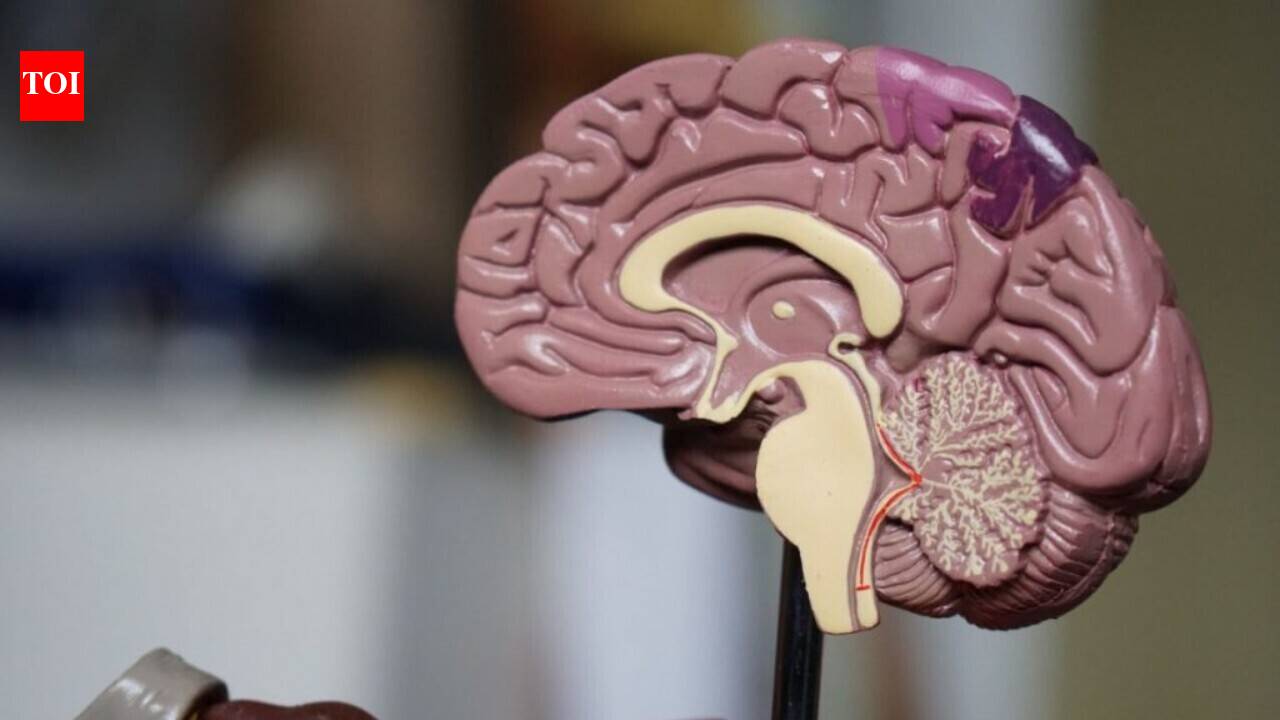
Stanford Medicine researchers have discovered that the human brain develops from two distinct embryonic cell lineages rather than a single progenitor. This finding challenges long-held developmental models and could revolutionize how scientists study brain disorders and cell cultivation.
A Paradigm Shift in Neuroscience: The Dual-Organ Brain
For centuries, the scientific community has operated under the assumption that the human brain is a single, unified organ. However, groundbreaking research led by Stanford Medicine has fundamentally challenged this narrative, suggesting that what we perceive as one organ is actually two distinct systems that evolved independently over hundreds of millions of years. This revelation represents a significant departure from the traditional model of neurodevelopment.
Challenging the Progenitor Cell Theory
For decades, the prevailing dogma in developmental biology held that a single progenitor cell type in the early embryo was responsible for generating the entire architecture of the brain. This 'unified origin' theory suggested that all neural components shared a common developmental lineage. The Stanford study overturns this model by identifying two unique groups of embryonic cells that follow separate developmental routes, proving that the brain is not a monolithic structure but rather two ancient nervous systems combined.
The Anatomy of Our Dual Heritage
According to the researchers, these two systems serve vastly different purposes. One system represents a more primitive evolutionary heritage, responsible for autonomic, life-sustaining functions such as regulating heart rate, breathing, and other essential metabolic processes. The second system is the seat of the complex cognitive functions that define human intelligence and consciousness. This 'clever packaging' of two distinct evolutionary developments into one cranial space provides a new framework for understanding human biology.
Implications for Clinical Research and Treatment
This discovery is more than a theoretical adjustment; it holds profound implications for medical science. By identifying that the brain originates from two separate lineages, researchers can now approach brain development with greater precision. This could significantly enhance the ability of scientists to cultivate targeted brain cells in laboratory settings, providing a more accurate model for human neural tissues.
Future Trends in Neurological Studies
As we move forward, this dual-organ model will likely become the foundation for new research into brain disorders. By understanding which 'system' is affected in a particular pathology, scientists may be able to develop more effective, targeted treatment innovations. This shift in perspective could pave the way for breakthroughs in treating complex neurodevelopmental and neurodegenerative conditions that have previously been difficult to model effectively.
Conclusion
In summary, the Stanford Medicine findings serve as a monumental milestone in our understanding of human anatomy. By debunking the myth of a single-origin brain, researchers have unlocked a more nuanced understanding of our evolutionary past and our biological present. This research does not merely change how we view the brain; it fundamentally alters the roadmap for future neurological discovery and therapeutic intervention.
Multiple Citing Sources