
The Illusion of the Safe Haven
Wealth is not disappearing; it is simply becoming harder to see. For decades, the global elite viewed liquidity as a binary state: you either had cash and government bonds, or you had illiquid equity. Today, that boundary has dissolved. We are witnessing a systemic shift where capital is migrating toward invisible assets—complex, hybrid vehicles that provide the utility of liquidity without the transparency that invites regulatory scrutiny. This isn't a panic-driven flight, but a calculated adaptation to a world where traditional safe havens have become targets.
This migration is often mischaracterized as simple capital flight. However, as a 1989 Bank of England observation noted, capital flight is frequently a symptom of weak domestic policy rather than the cause of economic decay. When a significant wedge opens between private returns and social returns—often driven by inappropriate price controls or erratic fiscal policy—the rational investor seeks an exit. The current escape is more sophisticated than the gold bars of the past; it is a move into infrastructure, liquid alternatives, and diversified global direct investments.
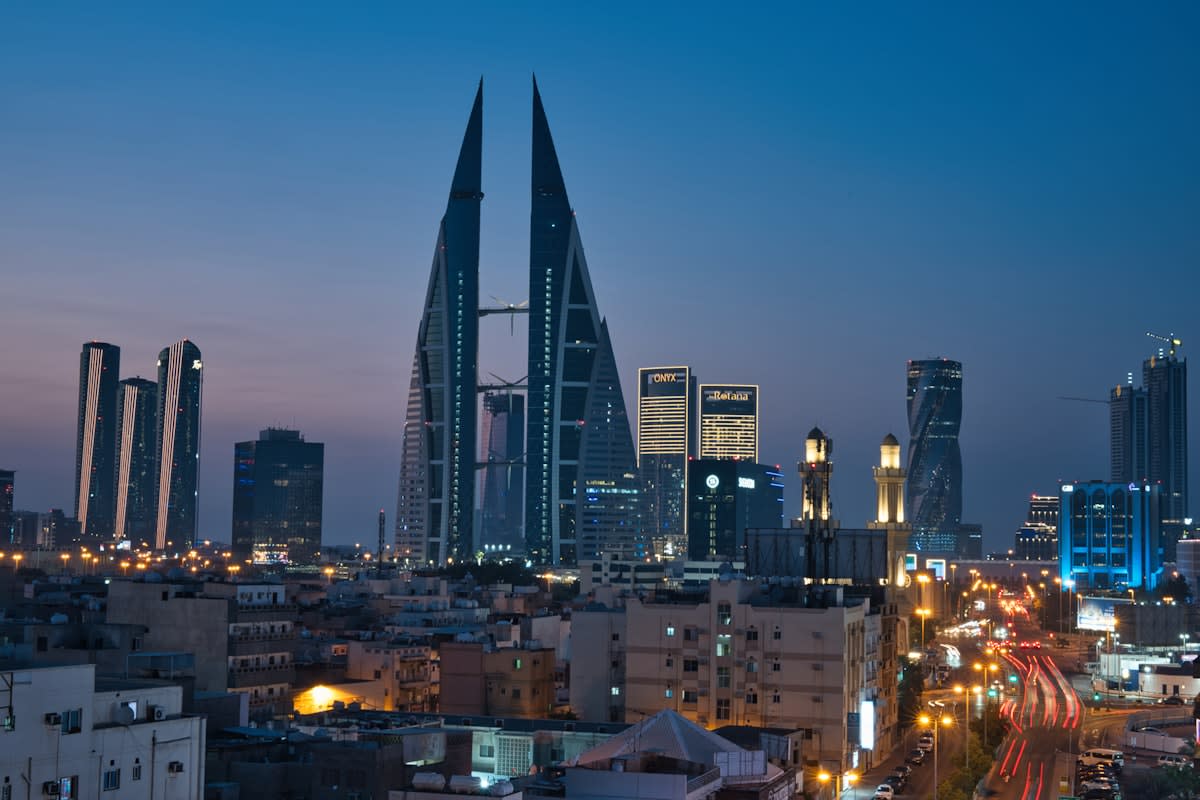
One of the most potent tools in this escape is the rise of liquid alternatives. These vehicles, often structured as mutual funds or ETFs, allow investors to employ hedge-fund-style strategies while maintaining daily redemption capabilities. By wrapping complex strategies in a liquid shell, the investor gains the ability to exit quickly during a crisis while benefiting from the alpha typical of private equity or macro funds. It is a strategic hedge: the flexibility of a retail product combined with the sophistication of institutional wealth.
The Trade-Off
Liquid alternatives solve the primary drawback of traditional alternatives—illiquidity—but they introduce a new cost structure. Investors trade higher management fees and complex derivative-based risks for the ability to avoid the lock-up periods common in traditional hedge funds.
The Institutional Pivot: From Cash to HQLA
The shift isn't limited to private family offices; the world's largest banks are mirroring this move by optimizing their High-Quality Liquid Assets (HQLA). Looking at the interim reports from global giants like HSBC, we see a precise calibration of liquidity. As of June 30, 2026, the bank maintained an average HQLA of $713.7 billion. This isn't just a regulatory requirement; it is a strategic fortress. While the Common Equity Tier 1 (CET1) ratio dipped slightly from 14.9% in December 2025 to 14.1% by mid-2026, the focus remains on maintaining a robust Liquidity Coverage Ratio (LCR) to weather systemic shocks.
| Metric | June 30, 2026 | December 31, 2025 |
|---|---|---|
| CET1 Capital Ratio | 14.1% | 14.9% |
| Avg. High-Quality Liquid Assets (HQLA) | $713.7bn | $702.1bn |
| Liquidity Coverage Ratio (LCR) | 134% | 137% |
Why does this matter to the broader economy? When the primary custodians of global liquidity shift their internal benchmarks, it signals a change in the perceived risk of the underlying system. The slight contraction in the CET1 ratio suggests a willingness to deploy capital more aggressively, provided that the HQLA buffer remains massive. This is the institutional version of the liquidity escape: maintaining a facade of stability while shifting the actual weight of the portfolio into assets that can be mobilized instantly across borders.
This strategic repositioning allows institutions to navigate a landscape where local restrictions can suddenly freeze assets. By prioritizing HQLA that are transferable and highly liquid, banks ensure they can pivot their exposure in real-time. It is a game of agility over raw size, where the ability to move capital is more valuable than the capital itself.
Tangible Invisibility: The Direct Investment Surge
While some wealth moves into digital complexity, a surprising amount is flowing back into the physical world—but only in specific, deep-liquidity markets. JLL Research data from July 2026 reveals a staggering trend: global direct investment grew by 27% in local currency terms (and 28% in USD) compared to the prior-year quarter. This surge is not evenly distributed. It is concentrated in major markets like the U.S., Canada, Japan, the UK, and Australia, where asset performance remains stable and liquidity levels are deep enough to allow for rapid entry and exit.
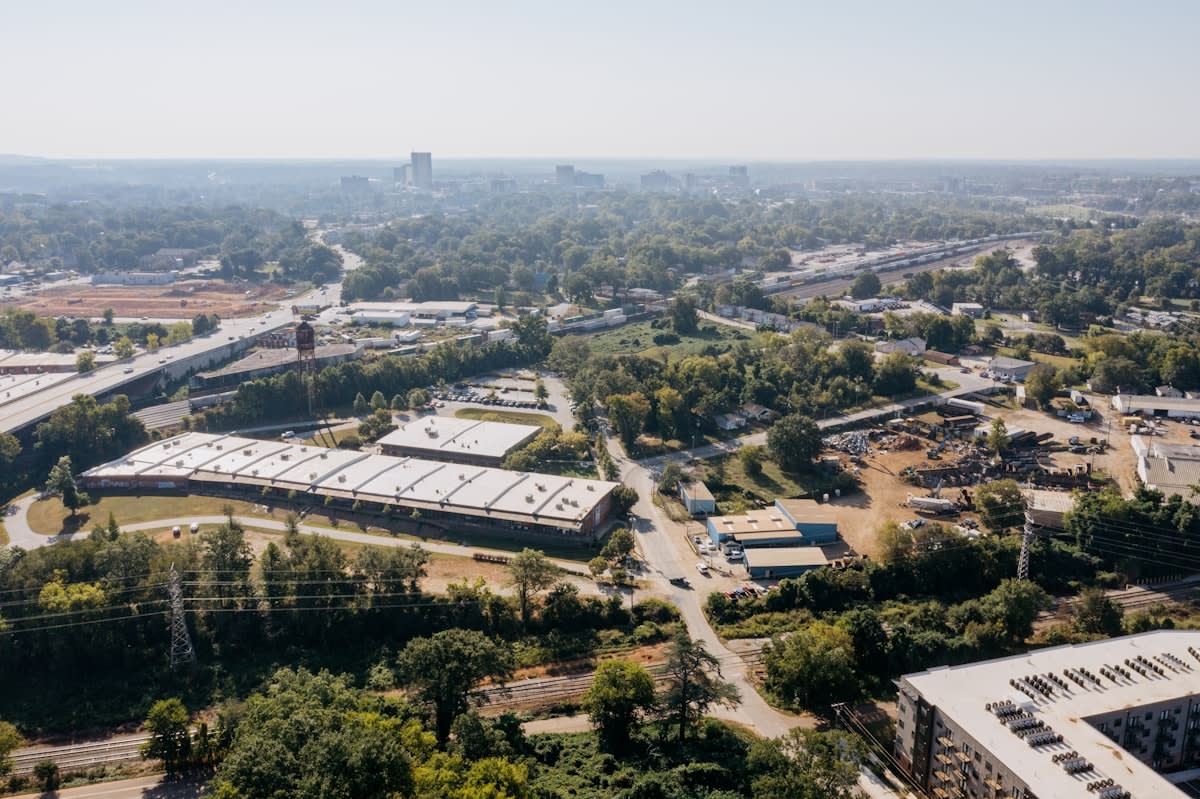
This is the paradox of the modern liquidity escape: moving into a physical building is often more liquid than holding a volatile currency or a targeted equity position. In the world's top-tier markets, real estate is no longer just a store of value; it is a liquid instrument. The conviction among investors is shifting toward property types that offer stable yields and an easy exit strategy, effectively turning brick and mortar into a form of invisible, high-functioning capital.
The move toward direct investment is a reaction to the volatility of public markets. By bypassing the noise of the daily ticker, wealthy actors are capturing the stability of the real economy while utilizing the deep pools of capital in the G7 nations to ensure they aren't trapped. It is a flight to quality that prioritizes jurisdiction as much as the asset itself.
The Generational Handover and the Policy Trigger
We are currently in the midst of a multi-trillion-dollar transfer of assets from Baby Boomers to younger cohorts. This is not merely a change in ownership; it is a change in philosophy. Younger wealth managers are less interested in the static portfolios of their predecessors and more focused on resilience and agility. They are operating in an era where the threat of taxes on unrealized capital gains is a tangible risk, forcing a redesign of how wealth is held and transferred.
"The wealth management sector has talked about a multi-trillion transfer of assets for years, and yet changes made in the industry haven't always kept up with the speed of the generational shift."— Family Wealth Report
This generational shift is coinciding with a fundamental reimagining of digital assets. The narrative has shifted from crypto as a speculative currency to crypto as infrastructure. This is the ultimate invisible asset: a layer of financial plumbing that exists independently of any single nation's policy failures. When capital flight is a symptom of weak domestic policy, infrastructure becomes the cure. By investing in the rails of the new economy rather than the tokens themselves, wealth is being immunized against localized shocks.
Even the most traditional firms are adapting. Goldman Sachs provides a clear example of this evolution; on November 14, 2025, the Goldman Sachs Value Opportunities ETF (GVLE) acquired the assets and liabilities of the Goldman Sachs Focused Value Fund. This transition from an open-end mutual fund to an ETF structure reflects a broader systemic move toward wrapping value strategies in more liquid, exchange-traded vehicles. It makes the strategy more transparent to the market but more liquid for the investor.
The New Architecture of Wealth
The liquidity escape is not about hiding money in offshore accounts—a tactic that is increasingly obsolete in an era of global transparency. Instead, it is about diversifying the nature of liquidity itself. The sophisticated investor now holds a portfolio that balances HQLA, liquid alternatives, direct global real estate, and digital infrastructure. This creates a web of resilience where no single policy change or market crash can freeze their entire net worth.
We are moving toward a world where the most valuable assets are those that can change their state. An asset that can be a stable yield-generator today and a liquid exit-vehicle tomorrow is the gold standard of the 21st century. The migration toward invisible assets is a testament to human adaptability; as the old walls of finance are torn down, the new ones are being built out of complexity, agility, and global reach.
- Shift from static cash reserves to High-Quality Liquid Assets (HQLA) for institutional resilience.
- Rapid growth in direct global investment (28% USD increase) focused on high-liquidity jurisdictions.
- Adoption of 'Liquid Alternatives' to blend hedge-fund alpha with mutual-fund exit speeds.
- Transition of digital assets from speculative currencies to foundational financial infrastructure.
- Restructuring of traditional funds into ETFs to enhance accessibility and liquidity.