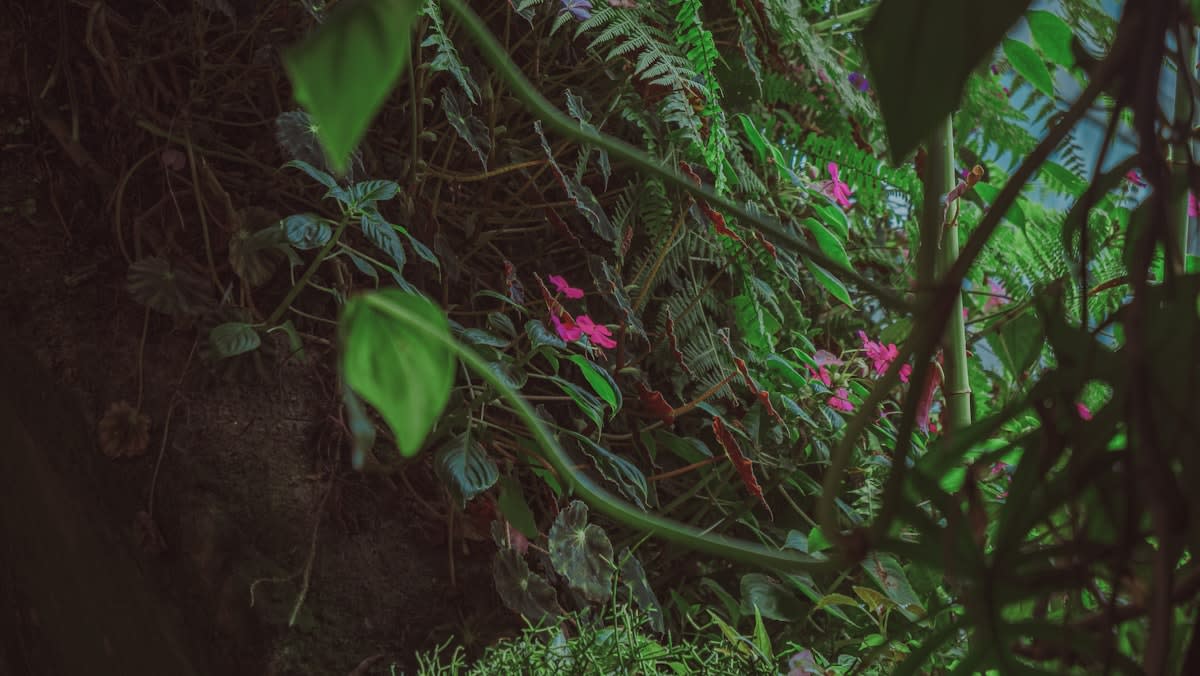
Money talks. But for centuries, nature has been mute. In the traditional ledger of global economics, a standing rainforest was valued at zero, while the timber extracted from it was recorded as profit. This was not a conscious choice so much as a systemic blind spot. We treated the biological infrastructure of the planet as an infinite, free subsidy. That era is ending. A quiet, aggressive movement is now underway to internalize these externalities, transforming the living world into a quantifiable asset class known as Natural Capital.
This is not about environmentalism or the sentimental desire to save a species. It is about risk management and the cold logic of the balance sheet. When a mangrove forest in Southeast Asia disappears, the cost of the subsequent storm surge isn't borne by the developer who cleared the land, but by the insurance company and the state. By putting a price tag on that mangrove, the economy finally recognizes the forest as a piece of critical infrastructure. We are witnessing the birth of a new accounting language where biodiversity is a currency and ecosystem services are dividends.
The End of the 'Free' Lunch
The shift is driven by a realization that our current metrics of success are delusional. Gross Domestic Product (GDP) measures the flow of money, not the stock of wealth. If a country clear-cuts its entire forest reserve, its GDP spikes due to the immediate surge in timber exports, yet its actual wealth—its capacity to sustain life and industry—plummets. This paradox has created a systemic vulnerability. Strategic analysts now argue that we cannot manage what we do not measure, leading to the rise of Natural Capital Accounting (NCA).
"The most dangerous mistake in modern finance has been the assumption that nature is a backdrop to the economy, rather than the foundation upon which the entire economy is built."— Strategic Analyst, Global Finance Initiative
Consider the World Economic Forum's estimate that over half of the world's total GDP—roughly $44 trillion—is moderately or highly dependent on nature. This is a staggering figure that suggests the global economy is essentially running on an uncollateralized loan from the biosphere. When the loan comes due in the form of pollinator collapse or soil degradation, the financial shock will be systemic. The 'Ledger' approach seeks to preempt this crash by pricing these services before they vanish.
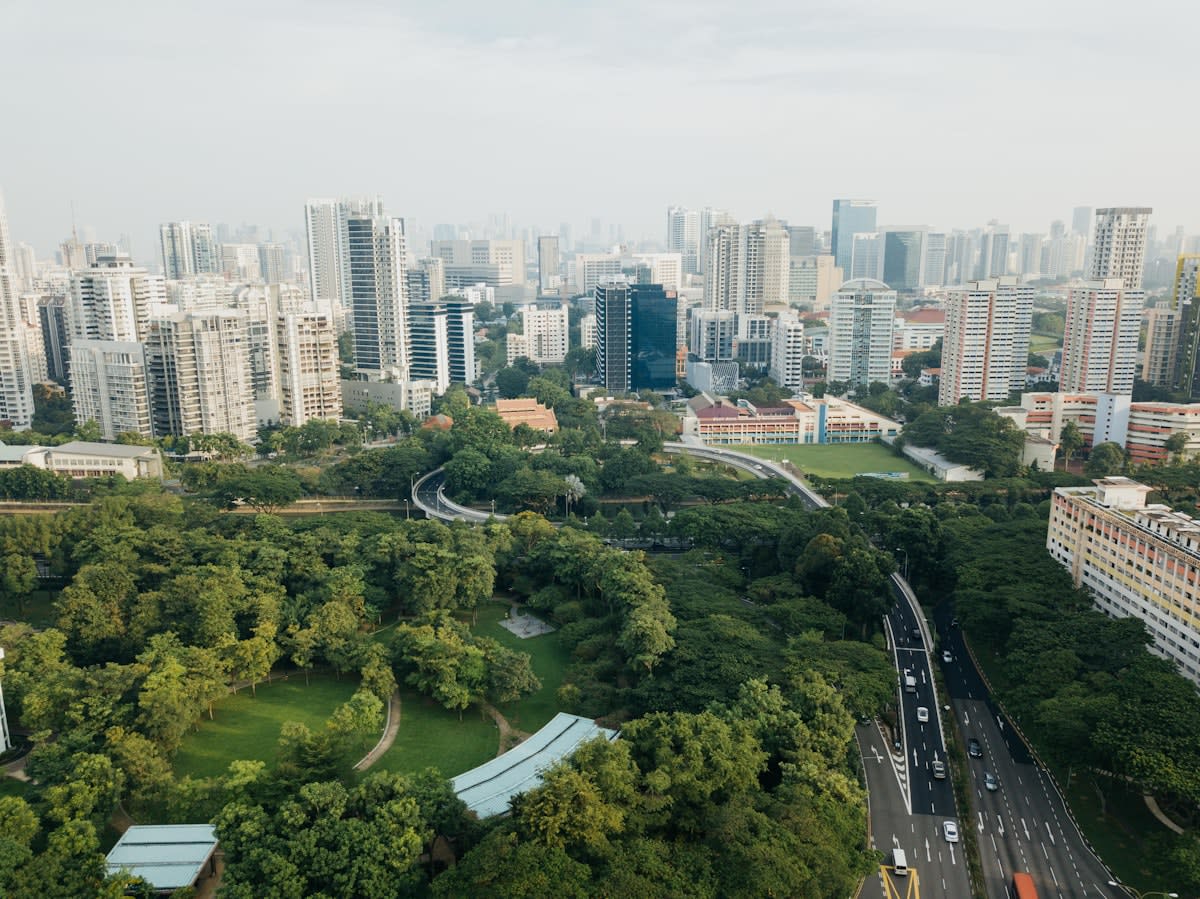
Why now? The catalyst is the convergence of satellite precision and financial desperation. We can now map a single hectare of peatland in the Congo Basin or a specific coral outcrop in the Pacific with centimeter-level accuracy. This data removes the 'uncertainty discount' that previously made nature-based assets uninvestable. Once you can prove a forest sequesters X tons of carbon and protects Y amount of watershed, it stops being 'scenery' and starts being a 'performance-based asset'.
The Mechanics of the Biological Ledger
The transition occurs in three distinct phases. First is the 'Avoidance Phase,' where carbon credits are sold to prevent deforestation. This is the lowest form of the ledger—essentially a bribe to not destroy. Second is the 'Restoration Phase,' where active regeneration of degraded land creates new credits. Third, and most sophisticated, is the 'Service Phase,' where the actual utility of the ecosystem—water filtration, crop pollination, flood mitigation—is priced and sold as a subscription or a bond.
| Metric | Traditional Economic View | Natural Capital Ledger View |
|---|---|---|
| Standing Forest | Zero Value (unless harvested) | Asset (Carbon storage, water regulation) |
| Coral Reefs | Tourism Attraction | Infrastructure (Coastal protection, nursery) |
| Pollinators | Free Biological Process | Agricultural Input (Essential Service) |
| Mangroves | Waste Land | Risk Mitigation Asset (Storm barrier) |
This is a fundamental rewrite of the rules of engagement. In the old model, the most profitable move was to liquidate the asset. In the new model, the most profitable move is to optimize the asset's health. If a landowner in Brazil earns more from the 'ecosystem services' of a standing forest than from soy farming, the market will protect the forest more effectively than any government regulation ever could.
However, this shift is not without friction. Critics argue that commodifying nature is a Faustian bargain. Does putting a price on a reef make it a product to be traded, or a treasure to be guarded? The strategic reality is that we are already commodifying nature—we just used to do it via destruction. Pricing it while it is alive is the only way to stop the hemorrhage.
The Institutional Trigger
The emergence of the Taskforce on Nature-related Financial Disclosures (TNFD) is the 'smoking gun' of this shift. It signals that the world's largest banks are no longer asking if nature is valuable, but how much nature-related risk is hidden in their portfolios.
The global scale of this operation is immense. From the peatlands of Indonesia to the alpine meadows of Switzerland, the goal is a unified standard of valuation. We are moving toward a world where a nation's credit rating might depend on the health of its biodiversity. If a country destroys its natural capital, it is effectively spending its principal rather than living off the interest, which is a textbook definition of insolvency.
Strategic Implications for the Next Decade
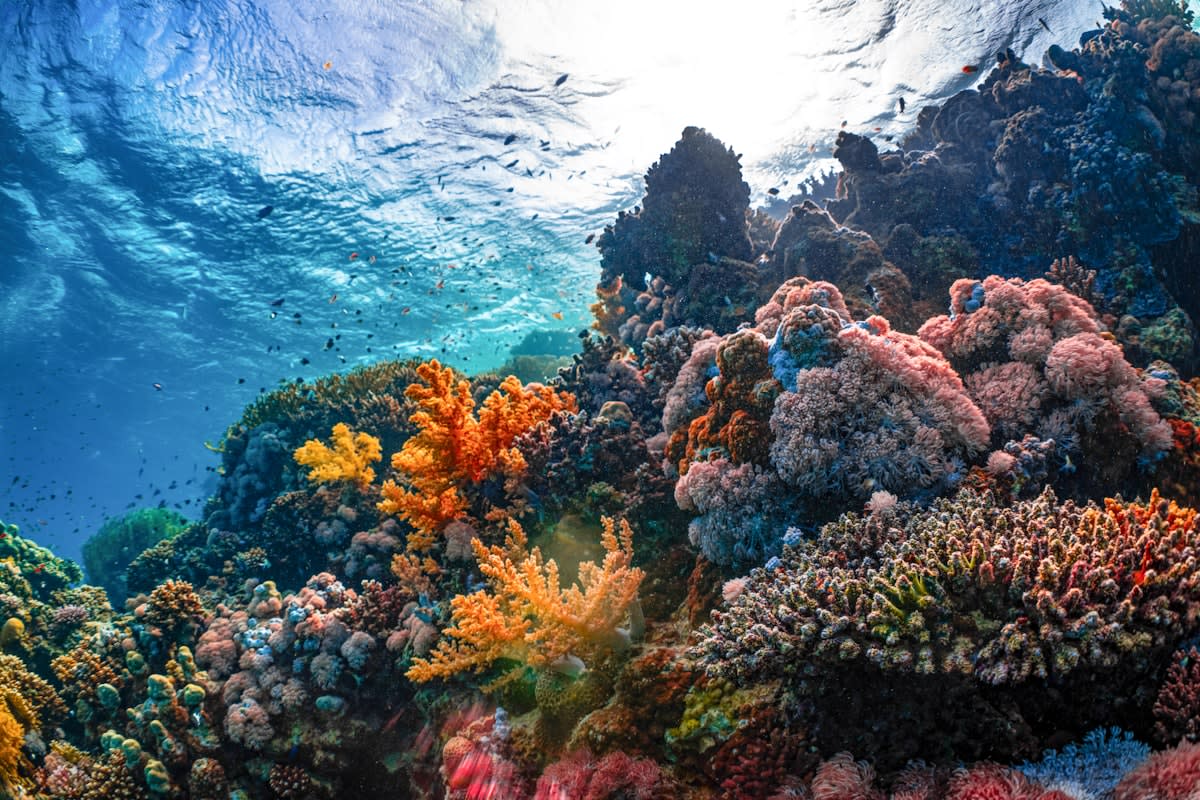
The winners of the next economic cycle will be those who secure 'Nature-Positive' assets early. We will see a surge in 'Biodiversity Credits,' a more complex evolution of the carbon credit. While carbon is a global commodity (one ton of CO2 is the same everywhere), biodiversity is hyper-local. A credit for saving a rare orchid in the Andes is not interchangeable with one for protecting sea grass in the Caribbean. This creates a fragmented, high-value market driven by scarcity.
- Sovereign Nature Bonds: Nations borrowing against the future value of their preserved ecosystems.
- Corporate Natural Capital Audits: Mandatory reporting of biological dependencies in annual filings.
- Algorithmic Valuation: AI-driven pricing of ecosystem services based on real-time satellite telemetry.
- Insurance Pivot: Premiums tied to the presence of natural barriers like reefs and mangroves.
We must ask: who owns the ledger? The risk of 'green grabbing' is real, where powerful financial entities purchase land in the Global South to harvest credits, displacing local communities. The resilience of this new system depends on whether the value flows back to the stewards of the land or stays within the vaults of the asset managers. If the ledger is designed correctly, it becomes the most powerful tool for wealth redistribution in history.
Ultimately, the Natural Capital Ledger is an admission of failure and a blueprint for adaptation. We failed to protect nature through morality; now we will protect it through mathematics. By integrating the living world into the financial system, we are not 'saving' nature—we are recognizing that we are a subset of it. The price tag is not a sign of greed, but a sign of recognition.