Adobe is trying to make its AI generators idiot-proof in Premiere
Source Entity
Thomas Ricker
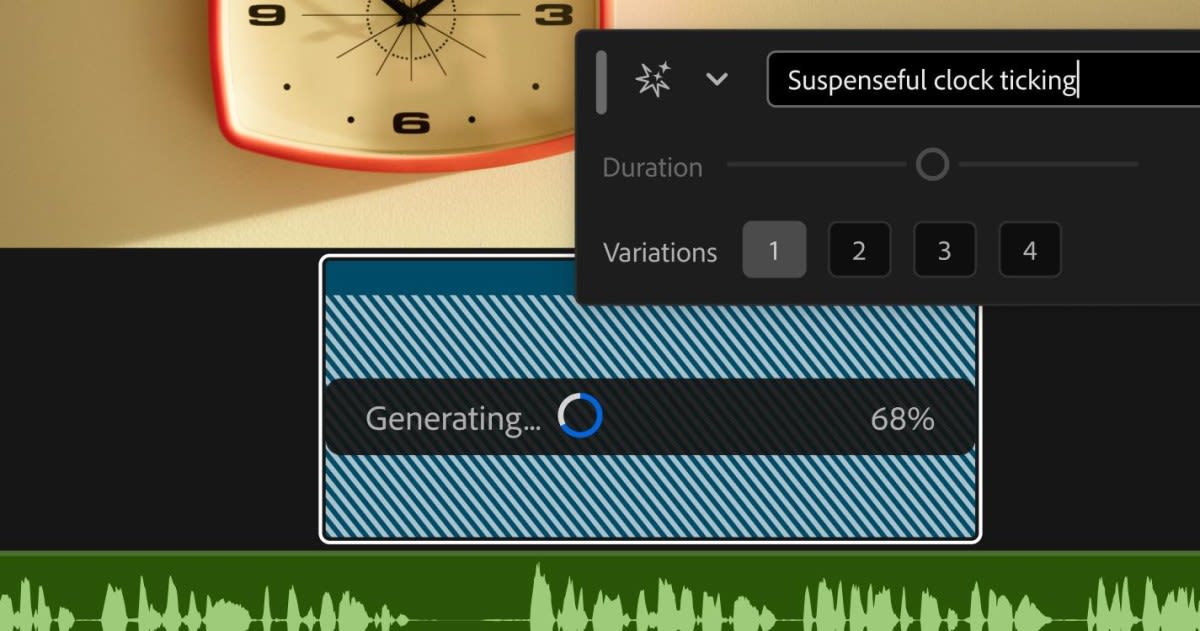
Adobe is integrating generative AI tools directly into Premiere Pro, allowing editors to create video, audio, and soundscapes without leaving the timeline. This update focuses on workflow efficiency by eliminating the need to switch between external applications.
Adobe Transforms Video Editing with Integrated Generative AI
Adobe is fundamentally shifting the landscape of professional video production by overhauling how artificial intelligence is integrated into Premiere Pro. The introduction of the new Generative Media tool marks a strategic pivot toward making high-end generative AI capabilities more accessible and 'idiot-proof' for editors. By allowing users to generate video, sound effects, music, and ambient soundscapes directly within the project timeline, Adobe is addressing one of the most persistent bottlenecks in professional post-production: the constant disruption caused by switching between applications.
Breaking the Workflow Barrier
Historically, professional editors have relied on a fragmented ecosystem of external plugins, stock libraries, and standalone AI generators to fill gaps in their projects. This process is inherently disruptive, forcing creators to export assets, manage file imports, and break their creative flow. Adobe’s new approach recognizes that the true value of AI in professional software is not just the output quality, but the seamlessness of the delivery. By enabling the generation of assets directly in the timeline, Adobe is prioritizing the continuity of the creative process.
Contextualizing the Generative Shift
While the underlying generative models are not entirely new, the refinement of the user interface represents a significant leap forward in software ergonomics. Adobe is essentially abstracting the complexity of AI prompts and model management, embedding them into the familiar mechanics of a non-linear editor. This democratization of complex generation tools allows editors to focus on narrative and pacing rather than the technical overhead of sourcing assets. It turns the editing timeline into a creative sandbox where missing elements can be synthesized on the fly.
The Impact on Professional Standards
This update has profound implications for the professional video industry. By allowing editors to highlight an empty gap on a track and generate relevant B-roll or audio, Adobe is effectively lowering the barrier to entry for high-quality production. It suggests a future where the role of the editor is increasingly that of a 'curator' or 'director' of AI agents, rather than purely a manual assembler of footage. The ability to generate soundscapes and music in-situ also suggests that Adobe is aiming to compete with specialized audio generation platforms by offering a more tightly integrated, time-saving alternative.
Future Trends in Creative Software
Looking forward, this move by Adobe signals a broader industry trend toward 'context-aware' editing software. As these tools become more sophisticated, we can expect future versions of Premiere to anticipate the needs of an editor based on the content already present in the timeline. The success of this initiative will likely depend on how well these generative assets integrate with existing professional workflows, particularly regarding copyright attribution and asset customization. Adobe is clearly betting that the future of creative software lies in the elimination of friction, turning the edit suite into an intuitive, AI-assisted extension of the human creator’s intent.