How Tim Cook pushed Apple into a new era set for John Ternus’ CEO debut
Source Entity
TOI TECH DESK
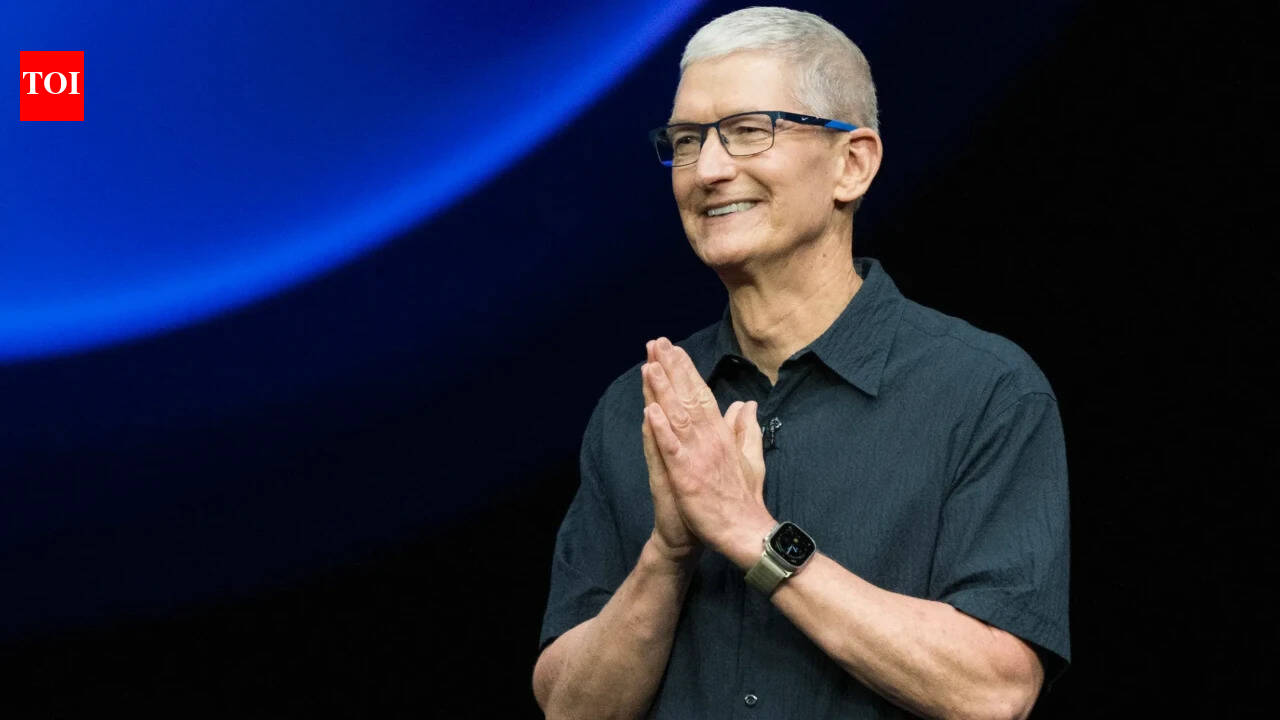
Apple has officially unveiled its first foldable smartphone, the iPhone Duo, marking a pivotal design shift under new CEO John Ternus. The device, codenamed V68, represents a strategic move to capture the premium foldable market inspired by Tim Cook's vision.
A New Chapter for Apple: The Launch of the Foldable iPhone
Apple has officially entered the foldable smartphone market with the introduction of the iPhone Duo, a device that represents the most significant departure from the traditional iPhone form factor since the original model's debut in 2007. Unveiled during the "Surprise and Shine" event in Cupertino, this device—internally codenamed V68—is designed to function like a passport, opening and closing to effectively double the available screen real estate. This launch is not merely a hardware update; it is a fundamental evolution of Apple's flagship product line.
The Strategic Vision of Tim Cook
While the public sees a new device, the roots of this project are deeply embedded in the strategic foresight of Tim Cook. Following a tour of Asian markets in 2020, Cook recognized the growing popularity of foldable handsets from competitors such as Samsung and Huawei. Convinced that Apple needed to adapt to these shifting consumer trends, Cook initiated a multi-year effort to refine the technology. This long-term planning highlights Apple’s characteristic approach: waiting until the market matures before perfecting a technology that aligns with its high quality standards.
Engineering Hurdles and the V68 Project
The transition to a foldable form factor was fraught with engineering challenges. The V68 project required years of research into flexible screens and hinge mechanics, initially focused on tablet-sized prototypes. The complexity of these components, coupled with rising production costs, forced Apple to navigate a delicate balance between innovation and profitability. With the final product expected to retail at a premium price point north of $2,000, Apple is clearly positioning the foldable iPhone as an ultra-premium "iPhone Ultra" tier for power users.
John Ternus: A Leadership Debut
The September 9 event served as a critical milestone for John Ternus, who officially assumed the role of CEO on September 1. As a former hardware executive, Ternus is uniquely positioned to steer the company through this hardware transition. His debut on the keynote stage is a high-stakes test of his ability to maintain Apple’s culture of innovation while managing the transition from Tim Cook’s era into his own. The successful reception of the folding iPhone will likely define the early narrative of his tenure.
Beyond the Fold: The Ecosystem Expansion
The event also showcased the broader iPhone 18 lineup, including the iPhone 18 Pro, which introduces a 48MP Fusion Main camera with variable aperture capabilities. By integrating advanced laser-cut blades to manage depth of field and lighting, Apple is signaling that it remains committed to camera superiority even as it pivots toward new form factors. Alongside the new phones, the company refreshed its wearable ecosystem with the Apple Watch Series 12 and the Apple Watch Ultra 4, ensuring that the foldable launch acts as a catalyst for a wider hardware refresh.
Future Outlook and Market Implications
Looking ahead, the success of the iPhone Duo will depend on consumer adoption of foldable technology at the $2,000 price point. While early foldable iterations from competitors faced durability concerns, Apple’s rigorous testing—evidenced by the long development cycle of the V68 project—aims to mitigate these issues. If the iPhone Duo succeeds, it will likely set a new standard for premium smartphones, forcing a reevaluation of traditional handset design across the entire industry.
Multiple Citing Sources