
The End of the Externality
For centuries, the global economic engine treated the natural world as a free warehouse of resources and a bottomless sink for waste. We called these externalities. The air we breathed, the pollination of our crops, and the filtration of our water were treated as zero-cost inputs. This was a convenient accounting fiction. Now, that fiction is collapsing under the weight of systemic instability. The shift we are witnessing is not a sudden surge of environmental altruism, but a cold, calculated realization by the financial elite: biological infrastructure is a material risk.
We are entering the era of the Nature Ledger. This is the process of assigning a precise economic value to ecosystem services, effectively turning a rainforest or a mangrove swamp into a productive asset. When a coastal city in Southeast Asia realizes that a healthy mangrove forest provides more storm protection than a concrete sea wall, the forest stops being a landscape and starts being an infrastructure project. The logic is simple. If you cannot price it, you cannot manage it. If you cannot manage it, you cannot hedge against the risk of its disappearance.
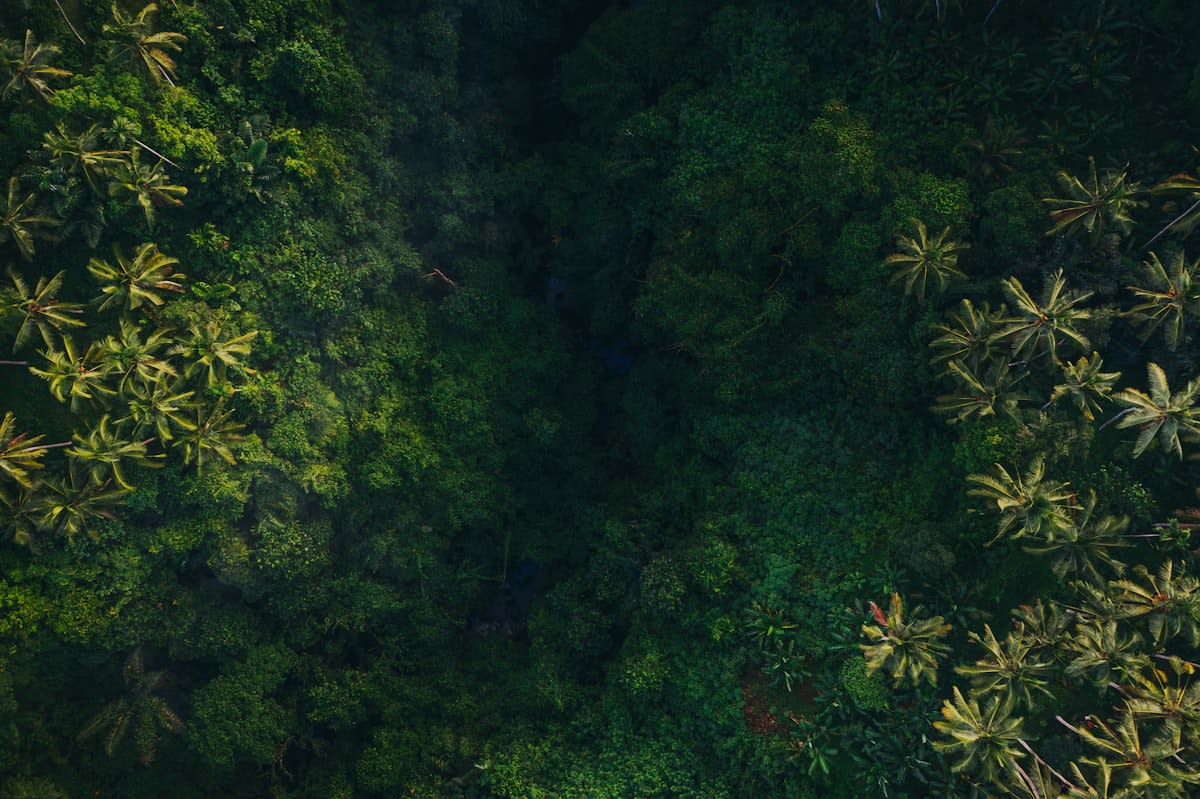
This transition is fundamentally contrarian to the traditional conservation model. For decades, we tried to protect nature by fencing it off and hoping for the best. That model failed because it fought against the primary driver of human behavior: profit. The Nature Ledger does the opposite. It integrates nature into the profit motive. By creating biodiversity credits and natural capital accounts, the global market is attempting to make a standing forest more valuable than a timber plantation. It is a high-stakes gamble that the market can save the biology that the market previously destroyed.
To understand how this operates, we must look at the frameworks attempting to standardize the chaos of biological valuation.
The Architecture of Value: From Carbon to Biodiversity
The first iteration of this movement was the carbon market. Carbon was the perfect financial instrument: it is fungible, invisible, and globally uniform. One ton of CO2 is the same in London as it is in Lagos. Biodiversity, however, is the opposite of fungible. A hectare of the Amazon rainforest does not replace a hectare of the Congo Basin or a coral reef in the Pacific. This creates a massive complexity problem for investors. You cannot simply trade 'nature units' on a generic exchange; you need a sophisticated, site-specific ledger that accounts for ecological integrity, species richness, and connectivity.
| Feature | Carbon Credits (1.0) | Biodiversity Credits (2.0) | Market Maturity |
|---|---|---|---|
| Primary Metric | Tons of CO2e | Ecological Integrity/Species Units | High vs Low |
| Scope | Global Atmospheric | Local/Site-Specific | Commodity vs Asset |
| Pricing Model | Commoditized/Market Price | Bespoke/Contextual Value | Liquid vs Illiquid |
| Strategic Goal | Net Zero | Nature Positive | Avoidance vs Regeneration |
The Taskforce on Nature-related Financial Disclosures (TNFD) is the engine driving this standardization. By forcing corporations to report their dependencies and impacts on nature, the TNFD is effectively creating a new balance sheet. When a global food conglomerate realizes that 60 percent of its revenue depends on pollinators that are disappearing, that biological collapse is no longer an 'environmental issue'—it is a solvency issue. This is where the systemic shift happens. We are moving from a world of voluntary CSR reports to a world of mandatory nature-risk disclosures.
"The financialization of nature is not about saving the planet; it is about the market finally recognizing that the planet is the only asset that actually matters."— Strategic Analyst, Global Markets
But this shift in accounting creates a profound geopolitical tension between the owners of the assets and the owners of the capital.
The Geopolitics of Natural Capital
Most of the world's high-value biological infrastructure is located in the Global South. Brazil, Indonesia, and the Democratic Republic of Congo are essentially the 'central banks' of biodiversity. For years, these nations were pressured to conserve their lands for the benefit of the global climate, often with minimal financial compensation. The Nature Ledger flips this script. It positions these countries not as recipients of aid, but as owners of a critical global utility. The question is no longer how much aid they can receive, but how much they can charge for the ecosystem services they provide to the rest of the world.
This creates a new form of leverage. Imagine a world where a nation can issue 'Nature Bonds' backed by the verified increase in biodiversity within its borders. These bonds would allow developing economies to raise capital for infrastructure by proving they are enhancing their biological assets. However, this path is fraught with danger. The risk of 'green-grabbing'—where powerful investors buy up land to monetize its biodiversity credits, displacing local communities—is a systemic threat to the legitimacy of the entire project.
The Regulatory Trigger
The Kunming-Montreal Global Biodiversity Framework's '30x30' goal—protecting 30 percent of the planet's land and oceans by 2030—is the primary regulatory catalyst. It creates the scarcity that drives the value of the credits.
In Europe, the Nature Restoration Law is pushing this logic into the domestic sphere. The EU is attempting to institutionalize the recovery of degraded ecosystems, not just for the sake of the birds and bees, but to ensure the resilience of its own agricultural and water systems. This is a defensive play. The European economy is recognizing that its stability is tethered to biological health, and it is using regulation to force a market correction before the collapse becomes irreversible.
The success of this entire apparatus depends on one thing: the ability to measure the invisible.
The Tech Stack of the Living Ledger
You cannot trade what you cannot verify. The 'Wild West' era of carbon offsets was defined by fraudulent claims and 'phantom' forests. To avoid this, the Nature Ledger relies on a new tech stack. Environmental DNA (eDNA) allows scientists to sample a liter of water from a river and identify every species that has passed through it in the last 48 hours. Satellite imagery combined with AI can now detect changes in canopy density and biomass in real-time. This is the transition from 'expert opinion' to 'hard data'.
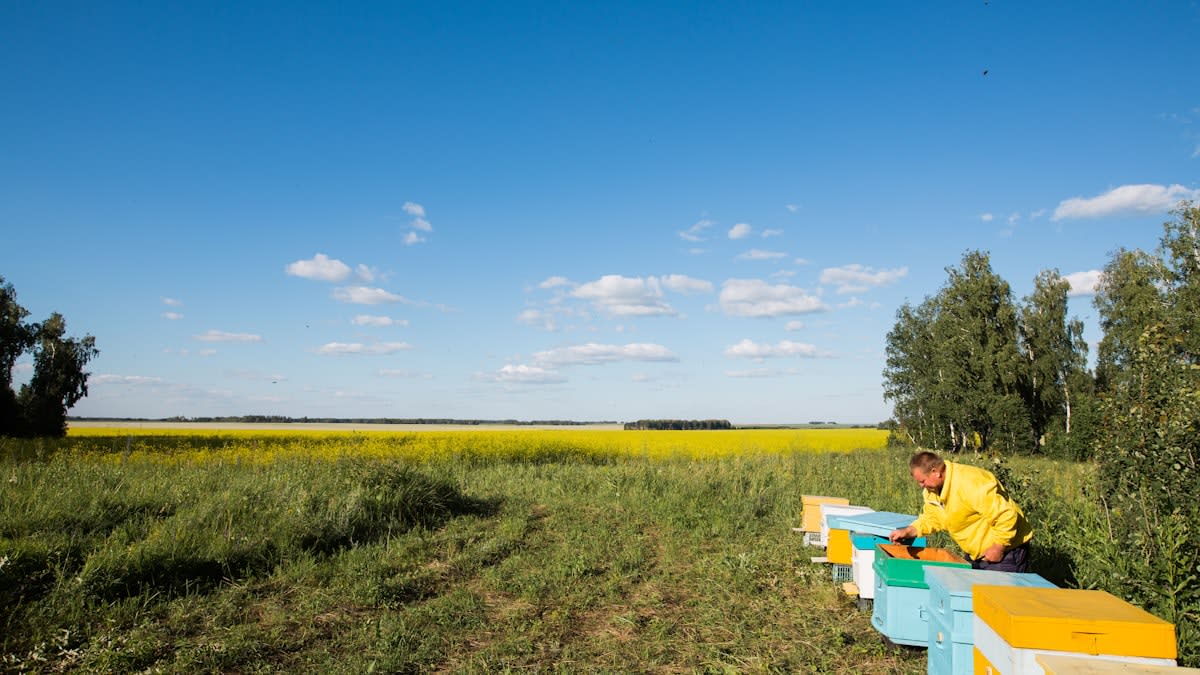
When this data is piped into a blockchain-based ledger, the result is a 'Digital Twin' of the ecosystem. Investors can track the health of their biodiversity assets in real-time, seeing the 'yield' in terms of species return or soil carbon sequestration. This transforms nature from a static piece of land into a dynamic financial instrument. The biological infrastructure becomes a living portfolio, where the 'dividends' are the continued existence of the services that keep the global economy functioning.
Is this a bubble? Perhaps. But it is a bubble built on the most fundamental reality of our existence. Unlike the subprime mortgage crisis, where the underlying assets were fake, the underlying assets of the Nature Ledger are the very systems that produce our food and regulate our climate. The risk is not that the assets are worthless, but that we are pricing them too late. The pivot from 'avoiding harm' to 'generating nature-positive returns' is the only logical path for a sophisticated global economy.
The bottom line is this: the monetization of the Earth's biological infrastructure is an admission of failure, but it is also a blueprint for survival. We are finally treating the planet as the most valuable piece of infrastructure in history. Whether this leads to a new era of regenerative capitalism or simply a more efficient way to carve up the remaining wilderness depends on who controls the ledger.