The cloud is a vacuum. For two decades, the global economy raced toward the total dematerialization of value, convinced that the ultimate efficiency lay in the elimination of the physical. We traded CDs for streams, bookstores for Kindles, and ownership for subscriptions. But the pendulum has swung. A quiet, systemic pivot is occurring among the digital natives—the very people groomed for a screen-only existence—who are now aggressively reclaiming the physical world. This isn't a quaint retreat into nostalgia; it is a calculated economic response to the diminishing returns of virtuality.
Why now? The answer lies in the concept of the Friction Premium. In a world where everything is a click away, convenience has become a commodity with a value approaching zero. When access is instantaneous and infinite, the psychological weight of the experience evaporates. The digital generation has discovered that meaning is derived from resistance. The effort required to flip a vinyl record, the patience needed to develop a roll of 35mm film, and the tactile weight of a physical book provide a sensory anchor that a glass screen simply cannot replicate.
The Economics of the Tangible
We are witnessing the birth of Tactile Capitalism. This is an economic framework where value is decoupled from efficiency and re-attached to materiality. In the digital economy, the goal was to remove the middleman and the medium. In Tactile Capitalism, the medium is the product. This shift is visible in the global surge of 'analog' hobbies that were predicted to die. In Tokyo, stationery shops are seeing a resurgence of high-end fountain pen sales among twenty-somethings. In Berlin, vinyl records aren't just for audiophiles; they are status symbols of intentionality.
"The digital world offers us everything but gives us nothing to hold. We are seeing a generational hedge against the ephemeral nature of the cloud."— Strategic Analyst, Global Markets
Consider the shift in ownership models. For years, the 'Access Economy' told us that owning things was a burden. SaaS (Software as a Service) and streaming platforms convinced us that renting our culture was superior to owning it. However, the volatility of digital rights—where a movie can vanish from a library overnight due to a licensing dispute—has created a new desire for permanent possession. The new luxury is not access; it is ownership. This is driving a massive capital flow back into physical media and tangible collectibles.
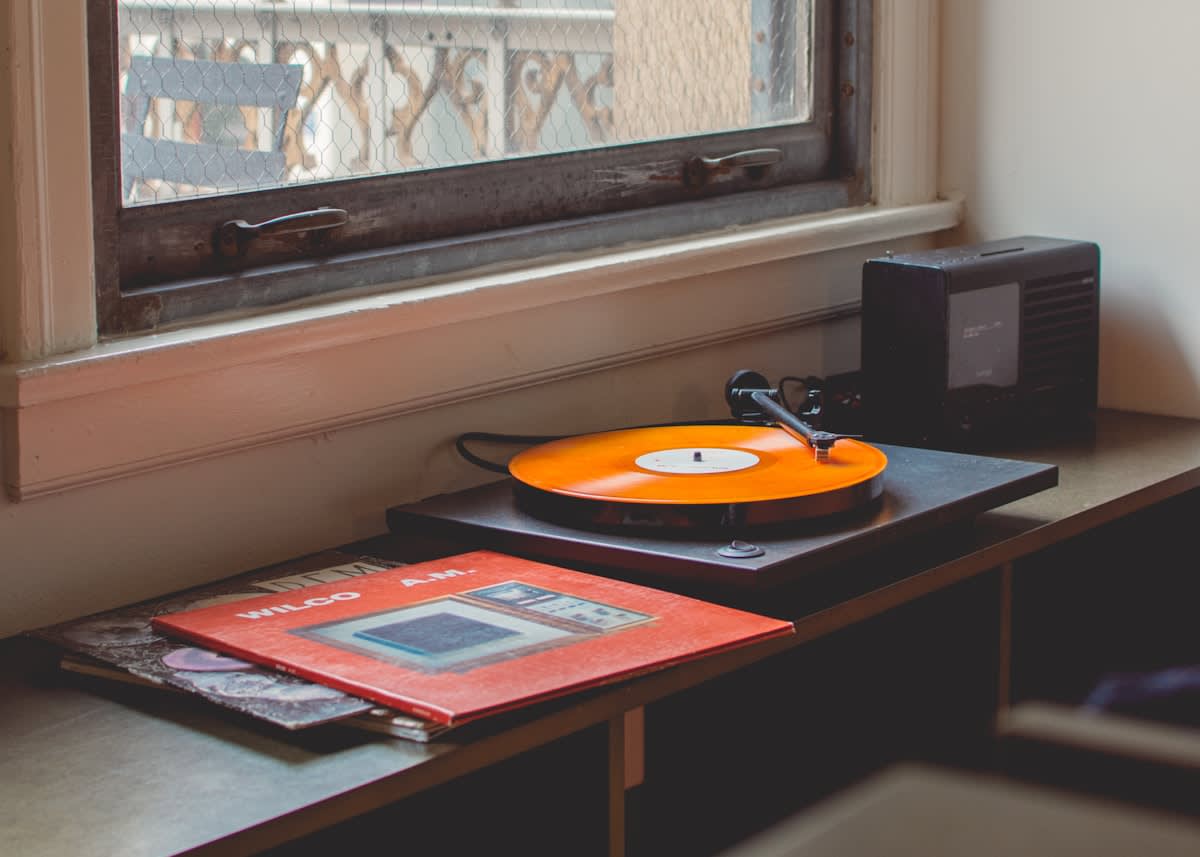
This pivot extends beyond media into the very way we interact with money and assets. While the hype around purely digital currencies dominated the last cycle, there is a growing undercurrent of interest in 'hard' assets. Whether it is the return to gold, the investment in rare physical trading cards, or the acquisition of vintage mechanical watches, the trend is clear. Investors are seeking assets that exist independently of a server. They want a store of value that survives a power outage.
Key Concept
The 'Friction Premium' describes the added value consumers place on a product specifically because it requires more effort to use or acquire than a digital alternative.
Is this just a trend, or a structural shift? To understand the scale, we must look at the diversification of the 'Maker Movement.' From artisanal coffee roasting in Seoul to bespoke leatherworking in Florence, there is a global movement toward the 'human-made.' This isn't about Luddism; it's about the integration of high-tech tools with high-touch outputs. The most successful modern brands are those that use digital platforms to sell physical experiences.
The transition is most evident when comparing the value drivers of the last decade against the emerging priorities of the current one. We have moved from a period of optimization to a period of sensation.
| Dimension | Digital Economy (The Cloud) | Tactile Capitalism (The Physical) |
|---|---|---|
| Primary Value Driver | Efficiency & Speed | Sensory Experience & Friction |
| Ownership Model | Subscription/Access | Permanent Possession |
| Scarcity | Artificial (NFTs/Limited drops) | Natural (Physicality/Wear) |
| Psychological State | Cognitive Ease | Mindful Engagement |
| Risk Factor | Platform Dependency | Physical Degradation |
The paradox of the digital generation is that they are the first to experience 'sensory malnutrition.' Having spent their formative years interacting with smooth glass, the tactile world feels like a new frontier. This explains why mechanical keyboards—with their loud clicks and heavy resistance—have moved from a niche hobby for programmers to a mainstream lifestyle choice. The click is a confirmation of existence in a world of ghosts.
We must also analyze the role of the 'curated physical space.' The rise of aesthetic cafes and 'experience stores' globally shows that the physical location is no longer just a point of distribution. It is a theater. When a brand like Apple or Gentle Monster creates a physical space, they aren't just selling a product; they are selling the permission to touch, smell, and feel. The store is the marketing, and the product is the souvenir.
The Inverse Correlation of Ease and Perceived Value
Executive Insight
+18.4%
YTD Growth
This shift is creating new opportunities for entrepreneurs who can bridge the gap. The winners of the next decade won't be those who build another app, but those who use apps to facilitate physical connection. We are seeing this in the rise of hybrid communities—digital forums that culminate in physical meetups, and e-commerce brands that prioritize high-quality, heavy-duty packaging. The unboxing experience is the new storefront.
Does this mean the digital era is over? Hardly. Instead, we are entering an era of Hybrid Capitalism. In this model, digital tools handle the logistics, while the physical world handles the value. The digital is the map; the physical is the destination. The most resilient businesses will be those that understand that while the transaction can be digital, the satisfaction must be tactile.

Ultimately, the return to tactile capitalism is a survival mechanism. In an age of AI-generated content and deepfakes, the physical world is the only remaining source of absolute truth. You cannot deepfake the smell of old paper or the weight of a gold coin. The physical world is the final verification layer. As we move further into the virtual, the value of the real will only continue to climb.
The strategic implication for investors and creators is clear: stop optimizing for the removal of friction. Start optimizing for the quality of it. The goal is no longer to make the experience seamless, but to make it memorable. Memory requires a hook, and the strongest hooks are physical.