
The Great Decoupling
The home is no longer a place. It is a ledger entry. For decades, the global economy operated on a quiet assumption: that housing serves primarily as a site of human stability and social reproduction. But that assumption has collapsed under the weight of institutional capital. We have entered an era where the price of a roof is decoupled from the local wages of the people living under it. When a studio apartment in a global hub costs ten times the average annual salary, we are not looking at a supply shortage; we are looking at a fundamental shift in the nature of the asset.
This phenomenon, known as financialization, transforms a basic human need into a speculative vehicle. Capital no longer flows into housing to create shelter, but to hedge against inflation and capture rental yields. In cities from Vancouver to Seoul, residential real estate has become a global safe-deposit box in the sky. Investors do not care if the lights are on in the units they own; they care that the asset's value appreciates regardless of its utility. This creates a paradox where the more 'successful' the real estate market becomes for investors, the more dysfunctional it becomes for the actual inhabitants.

Why does this matter beyond the monthly rent check? The shift alters the psychological relationship between the individual and their environment. When housing is a financial asset, the resident is transitioned from a stakeholder in a community to a temporary tenant of a global portfolio. This creates a transient urban culture where long-term investment in local social ties is replaced by short-term calculations of affordability. The result is a hollowed-out city center where the luxury facades mask a profound absence of actual community life.
"The danger is not that we lack houses, but that we have redefined the house as a financial derivative. Once shelter becomes a tradeable asset, the social contract of the neighborhood is effectively voided."— Strategic Analyst, Global Economics Forum
This systemic realignment is not confined to a single continent or economic system. It is a global contagion of logic. In Western Europe, we see the rise of institutional landlords buying up entire districts of rent-stabilized housing. In Southeast Asia, luxury condos sit vacant as wealth preservation tools for overseas buyers. The common thread is the prioritization of exchange-value over use-value. When the primary purpose of a building is to generate a return for a shareholder in another time zone, the social trust required to maintain a functioning society begins to fray.
The friction between these two values—shelter and asset—creates a volatility that traditional policy cannot fix. Interest rate hikes and zoning laws are mere bandages on a structural wound. The real issue is the integration of residential property into the global financial plumbing. As long as housing is viewed as the most reliable way to store wealth, it will continue to outpace the ability of the working population to access it.
The Erosion of the Generational Contract
For the previous generation, homeownership was the primary engine of wealth creation and the cornerstone of middle-class stability. This created a social contract: work hard, save, and eventually secure a piece of the earth. Today, that contract has been shredded. The entry price for the 'ownership class' has skyrocketed, not because of improved quality of life, but because of the influx of institutional capital. This creates a permanent renter class, stripped of the ability to build equity and subjected to the whims of algorithmic pricing.
Does this not create a systemic incentive for social instability? When a significant portion of the productive population realizes that the traditional path to stability is mathematically impossible, the legitimacy of the economic system is questioned. This is where the erosion of trust manifests most clearly. It is not just a frustration with high prices; it is a realization that the game is rigged in favor of those who already own the assets. The home, once a symbol of arrival, has become a symbol of exclusion.
| Dimension | Housing as Shelter (Use-Value) | Housing as Asset (Exchange-Value) |
|---|---|---|
| Primary Objective | Habitation and Stability | Capital Appreciation and Yield |
| Valuation Driver | Local Wages and Utility | Global Capital Flows and Interest Rates |
| Social Impact | Community Cohesion | Wealth Concentration/Displacement |
| Ownership Model | Owner-Occupied/Local Lease | Institutional REITs/Absentee Owners |
| Risk Profile | Personal Financial Stability | Systemic Asset Bubble |
The data suggests a stark divergence. In many global hubs, the price-to-income ratio has surged from a historical average of 3x to over 8x or 10x in less than two decades. This is not a natural market evolution. It is the result of housing being rebranded as a 'safe haven' asset. When institutional investors can purchase thousands of single-family homes to convert them into permanent rentals, they are not providing a service; they are capturing a fundamental human necessity to extract a perpetual rent.
This transition transforms the city into a rentier state. In such a system, wealth is not generated through innovation or production, but through the ownership of existing assets. This stifles economic dynamism. When a huge percentage of a worker's income is diverted to a landlord's mortgage, that money is removed from the local economy—the cafes, the bookstores, the small businesses—and moved into global investment portfolios. The city becomes a parasite on its own productivity.
Capital Flight and the Ghost City Phenomenon
Perhaps the most visceral evidence of the shelter paradox is the 'ghost tower.' In cities across Asia and the Middle East, we see luxury developments that are nearly empty, yet fully sold. These buildings are not designed for living; they are vertical bank accounts. The owners may never visit the property, but the title deed provides a secure place to store wealth away from volatile domestic currencies or political instability. This is the ultimate expression of the assetization of housing: a building that succeeds as a financial product precisely because it fails as a home.
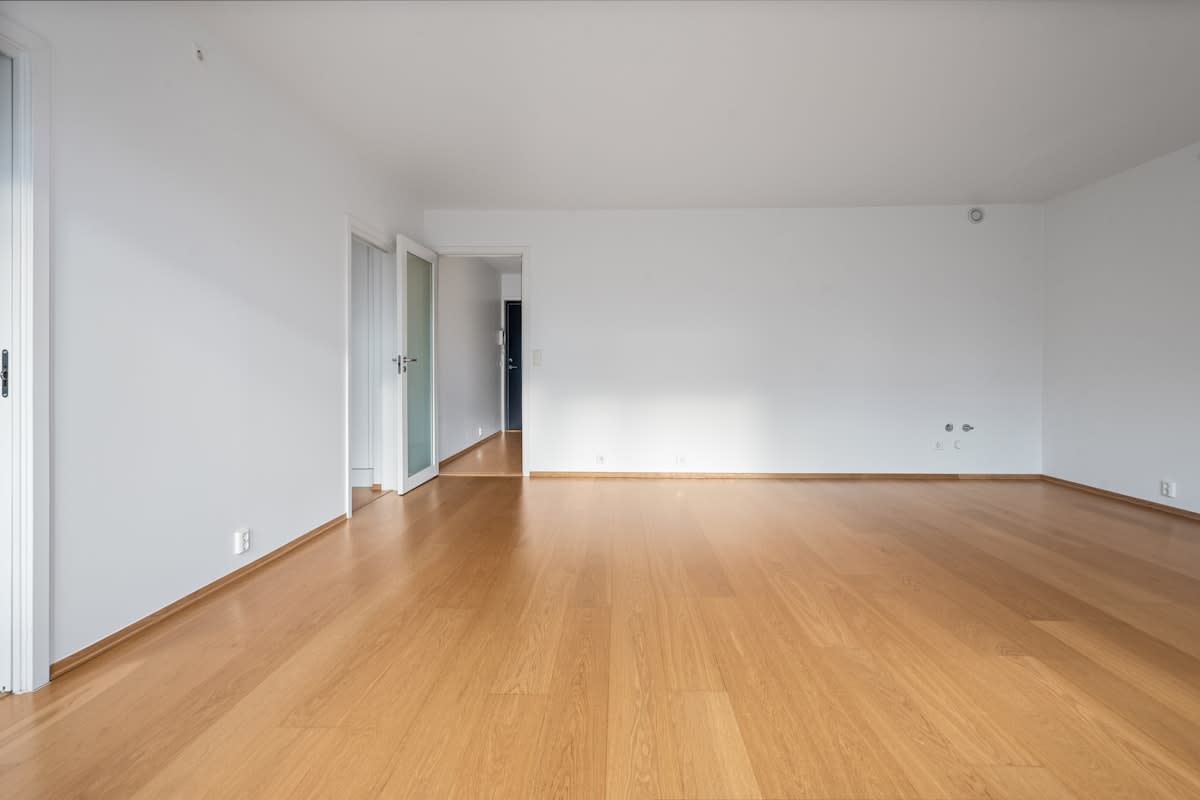
This creates a devastating ripple effect. The existence of these 'safe haven' assets drives up the land value for the entire surrounding area. Local residents are priced out not by a lack of space, but by the competition for the land's financial potential. Why build affordable housing when the land can be used for a luxury tower that sells to an investor in another country? The incentive structure is completely skewed away from the needs of the local population.
Systemic Insight
The 'Rentier Trap' occurs when the cost of basic existence (housing) rises faster than the capacity to earn, forcing the workforce into a cycle of debt and dependency that kills entrepreneurial risk-taking.
We must ask: what happens when the bubble of 'housing-as-asset' finally meets the reality of 'housing-as-shelter'? The systemic risk is no longer just a financial crash, but a social collapse. When the gap between the asset price and the ability to pay becomes an abyss, the trust in the state's ability to provide basic security vanishes. This is not a crisis of affordability, but a crisis of legitimacy.
Toward a New Equilibrium
Adapting to this shift requires moving beyond the binary of renting versus buying. The goal should be the decommodification of a sufficient portion of the housing stock. This means creating tenure models that prioritize stability over speculation. Community Land Trusts (CLTs), for example, separate the ownership of the land from the ownership of the building. By taking the land out of the speculative market, the cost of the home remains tied to local wages rather than global capital flows.
Another path is the implementation of vacancy taxes and strict regulations on short-term rentals. These tools force the asset back into the realm of utility. If it becomes expensive to keep a home empty, the 'safe-deposit box' strategy becomes less attractive, and units return to the rental or purchase market for actual residents. This is not about attacking wealth, but about rebalancing the incentive structure to favor the living over the ledger.
- Decommodification: Removing land from the speculative market via Community Land Trusts.
- Utility-Based Taxation: Implementing aggressive vacancy taxes to discourage 'ghost' ownership.
- Tenure Diversification: Promoting co-operative housing models that offer equity without speculation.
- Regulatory Guardrails: Limiting the percentage of residential stock that can be owned by institutional REITs.
The path forward is not to return to a romanticized past, but to build a resilient future. We need an economic framework that recognizes shelter as the foundational layer of social trust. When people feel secure in their homes, they invest in their neighbors, their businesses, and their cities. By decoupling the basic need for shelter from the global appetite for financial assets, we can begin to repair the social contract. The paradox can be solved, but only if we stop treating the place we live as a product we trade.