Operations of quarries, trekking sites, adventure tourism centres suspended in Keralam’s Wayanad
Source Entity
India Latest News: Top National Headlines Today & Breaking News | The Hindu
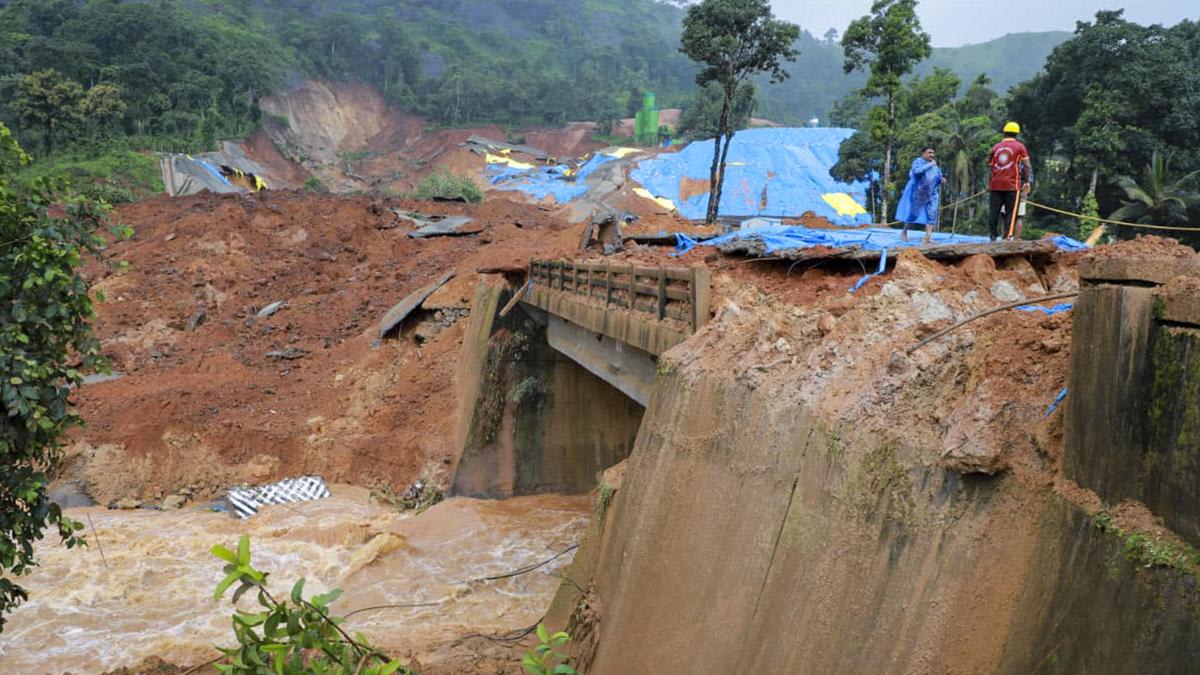
Authorities in Kozhikode and Wayanad have implemented strict safety measures, including travel bans and the suspension of tourism activities, due to heavy rainfall alerts. District administrations are proactively relocating residents from vulnerable regions to prevent potential casualties from landslides and flooding.
Proactive Disaster Mitigation in Kerala
The district administrations of Kozhikode and Wayanad have initiated comprehensive safety protocols in response to severe weather forecasts. With an intense depression forming over the Bay of Bengal, the India Meteorological Department has signaled a high risk of heavy rainfall and strong winds. By acting decisively, local authorities aim to minimize the risk of human life and infrastructure damage that typically follows such meteorological events in the Western Ghats region.
Travel Restrictions and Infrastructure Protection
In Kozhikode, the District Disaster Management Authority (DDMA) has implemented a strategic travel ban on high-altitude and hilly areas, effective from 7 p.m. on September 24 to 7 a.m. on September 25, 2026. This measure is specifically designed to curb non-essential movement during the peak hours of the weather event. Police enforcement will be particularly stringent on roads prone to landslides, notably in regions like Thamarassery, Thiruvambady, and Koorachundu, ensuring that only emergency vehicles can operate in these dangerous zones.
Suspending High-Risk Economic Activities
Simultaneously, the Wayanad administration, led by District Collector V. Chelsasini, has ordered the immediate suspension of operations at quarries, adventure tourism sites, and trekking paths. These sectors are inherently high-risk during periods of heavy precipitation, as saturated soil can lead to rapid geological instability. By halting these commercial activities, the authorities are prioritizing public safety over economic output, acknowledging the lessons learned from previous instances of soil erosion and landslips in the region.
Evacuation and Community Safety
Both districts have empowered local bodies to facilitate the relocation of vulnerable populations. Panchayat secretaries have been instructed to identify and move families living in high-risk zones to relief camps. A specific focus has been placed on the township construction site at Elston Estate in Kalpetta, where the municipal secretary is tasked with coordinating with the project’s chief operating officer to manage potential threats of soil erosion, ensuring that residential safety remains the top priority.
Broader Implications and Future Trends
These coordinated actions reflect a shift toward a more aggressive, anticipatory disaster management framework in Kerala. Historically, the state has grappled with the vulnerabilities of its hilly terrain, and the current measures indicate an institutionalized approach to disaster mitigation. Moving forward, as climate patterns become increasingly erratic, such preemptive bans and evacuations are likely to become the standard operating procedure for district administrations across the region, serving as a critical buffer against the growing intensity of monsoon-related calamities.
Verification Required?