Alleged Myanmar-based extremists kill four Nagas in Manipur
Source Entity
India Latest News: Top National Headlines Today & Breaking News | The Hindu
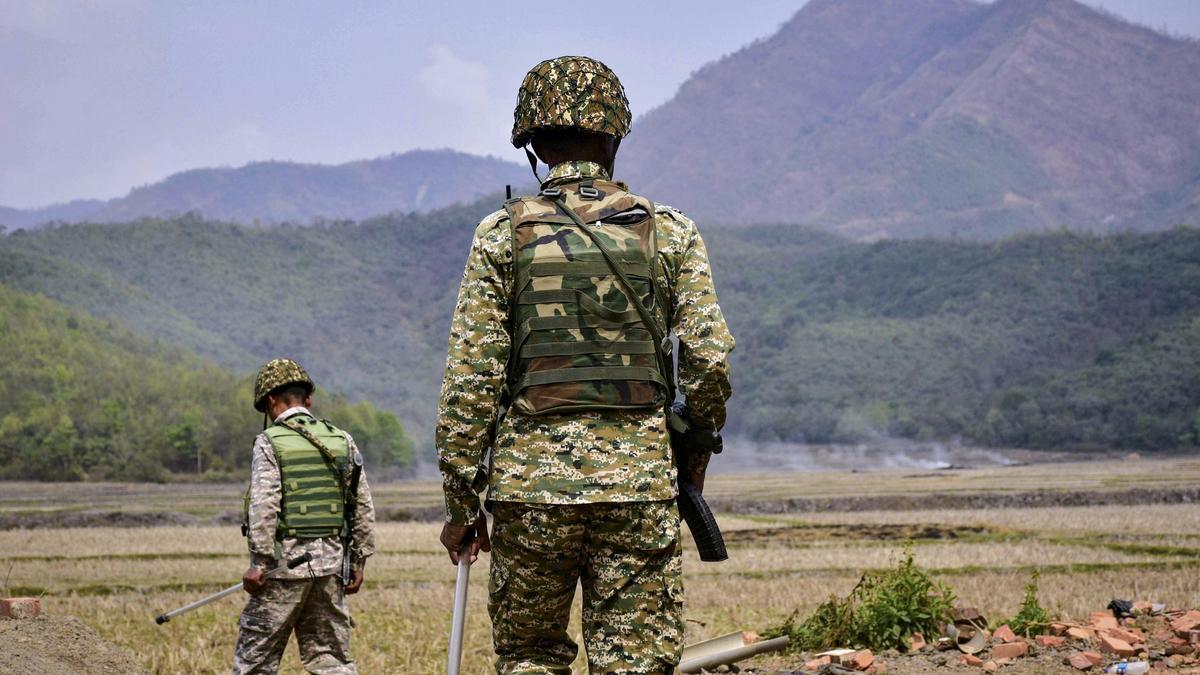
Armed extremists from Myanmar, identified as Kuki National Army-Burma and People’s Defence Force elements, killed four individuals in Manipur’s Kamjong district. The Tangkhul Naga Long has condemned the attack, leading to a 24-hour regional shutdown in protest.
Cross-Border Violence Strikes Manipur
On the afternoon of September 24, 2026, a violent attack occurred at Pilong village in Manipur’s Kamjong district, resulting in the deaths of four individuals. The incident, which took place near border pillar number 95, has been attributed by local authorities and community leaders to armed groups crossing over from Myanmar. The attack represents a significant escalation in the security challenges facing the porous India-Myanmar border, which has long been a conduit for both migration and insurgent activity.
Accountability and Allegations
The Working Committee of the Tangkhul Naga Long (WC-TNL), representing the Tangkhul community, has issued a formal condemnation of the killings. They have explicitly named the Kuki National Army-Burma and elements of the Myanmar-based People’s Defence Force as the perpetrators. According to the WC-TNL, the assailants utilized sophisticated weaponry to cross the Namya River from the Phailen Kuki village in Myanmar, specifically targeting civilians in Pilong village. The WC-TNL has further criticized the Indian government, suggesting a failure to adequately secure the border against cross-border terrorism.
Security Implications of the Indo-Myanmar Border
The geography of the Kamjong district, characterized by its remote location and proximity to the international boundary, complicates law enforcement efforts. Police reports indicate that the attackers likely retreated across the border following the assault. One survivor, Akhan Kaping, provided the initial report of the incident, which has allowed authorities to piece together the timeline of the attack. The use of the border as a staging ground by foreign-based militias highlights the precarious nature of security in the Northeast Indian frontier.
Regional Tensions and Social Unrest
In response to the tragedy, the Naga community has organized a 24-hour shutdown, a common form of protest in the region to demand accountability and increased state protection. This incident risks exacerbating existing ethnic tensions in Manipur, as the blame has been directed at specific Kuki-linked factions. The involvement of various armed groups—some with roots in the Myanmar political crisis and others with local ethnic affiliations—adds a complex layer to the ongoing law and order challenges in the state.
Future Outlook and Policy Challenges
The recurrence of such incidents near the border underscores the urgent need for enhanced surveillance and bilateral cooperation with Myanmar, despite the internal instability currently plaguing that nation. If the government fails to address the security vacuum near the Namya River, there is a distinct risk that such cross-border raids could become more frequent, further destabilizing the fragile peace in Manipur’s hill districts. Sustained pressure from community organizations like the WC-TNL will likely force the state and central governments to reassess their border management strategies in the coming months.
Verification Required?