Heavy rain floods Chhattisgarh; one dead, Bastar villages cut off, schools shut in 8 districts
Source Entity
Latest News: Todays Latest News Headlines from India & World | Hindustan Times | Hindustan Times
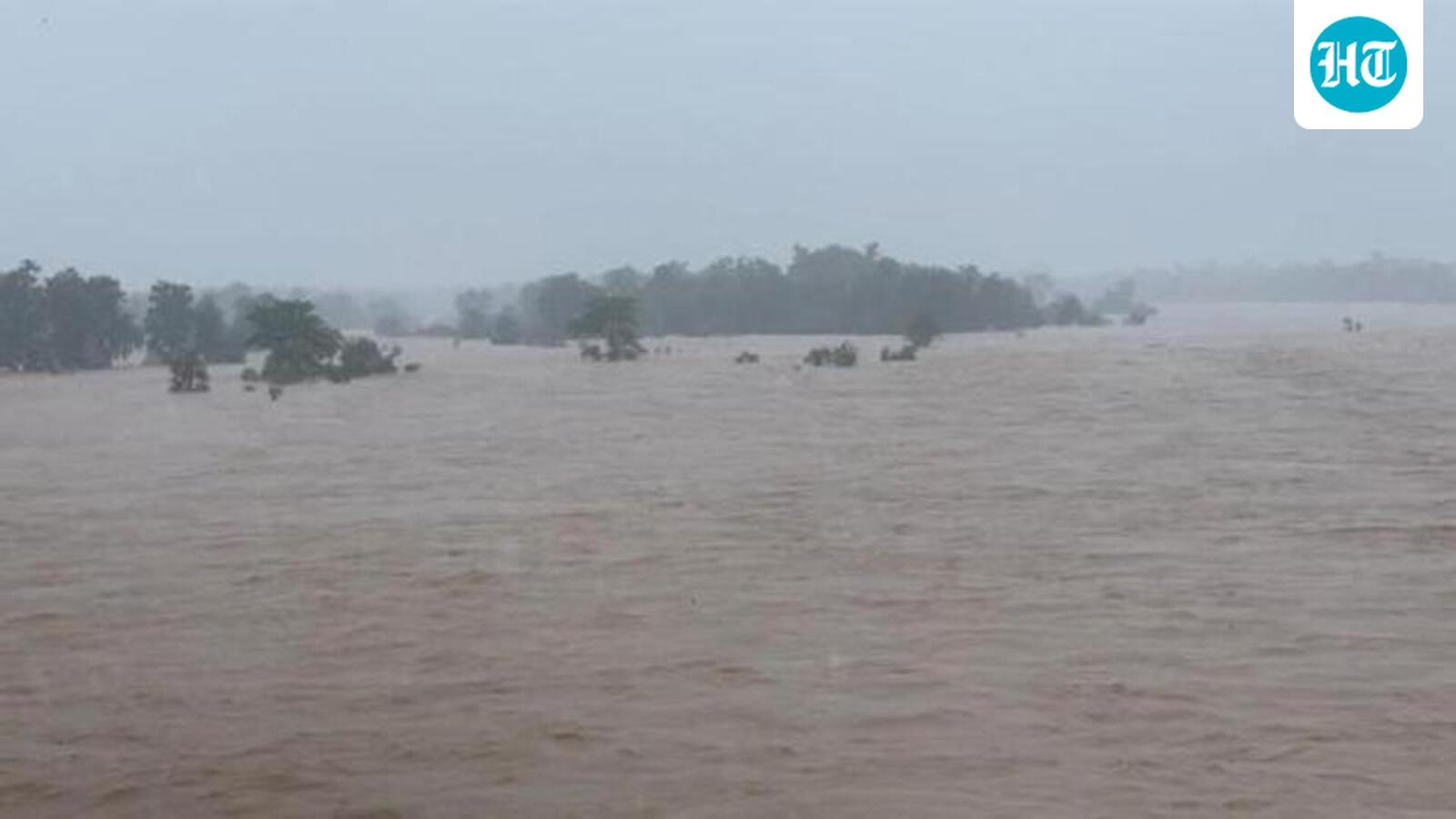
A deep depression has triggered severe flooding and heavy rainfall across Odisha, Chhattisgarh, and Lucknow, leading to school closures and infrastructure disruption. Authorities have issued high-alert warnings as the weather system persists, impacting daily life and causing at least one fatality.
Severe Weather Grips Eastern and Central India
The meteorological landscape across Eastern and Central India has deteriorated significantly as a deep depression, originating from the Bay of Bengal and making landfall near Kalingapatnam, Andhra Pradesh, has unleashed widespread havoc. This weather system has brought intense, relentless rainfall to Odisha, Chhattisgarh, and parts of Uttar Pradesh, resulting in significant flooding, landslides, and critical disruptions to daily life.
The Impact on Odisha and Chhattisgarh
Odisha has been particularly hard-hit, with 24 locations recording rainfall exceeding 100 mm within a 24-hour window. The severity of the deluge is exemplified by regions like Tentulikhunti, which recorded a staggering 395 mm of rainfall. This accumulation has triggered severe waterlogging and forced the displacement of approximately 10,000 residents from low-lying areas. Simultaneously, neighboring Chhattisgarh is grappling with the aftermath of similar conditions; the Bastar region has been significantly isolated as villages are cut off by floodwaters. Tragically, the state has reported its first fatality, a 40-year-old farmer who drowned in Kondagaon, underscoring the lethal potential of these flash floods.
Administrative Response and Safety Measures
The scale of the disruption has necessitated immediate government intervention. In Chhattisgarh, district administrations have taken the precautionary measure of closing all government and private schools across eight districts, including Dantewada, Bijapur, and Durg, to ensure student safety amidst the ongoing weather crisis. In Lucknow, the impact of the monsoon's late-season surge has been equally disruptive. Following 86.6 mm of rain recorded in just 12 hours, authorities have ordered the closure of educational institutions and placed district officials on high alert for further thunderstorms and lightning through September 27.
Meteorological Context and Dynamics
The current weather pattern is driven by the deep depression moving through south interior Odisha and adjoining south Chhattisgarh. This system has altered regional temperatures drastically; for instance, Lucknow witnessed a sharp drop in maximum temperatures to 23.5 degrees Celsius due to the persistent cloud cover and moisture influx. While the depression is projected to weaken by Saturday, the immediate aftermath remains a period of high vulnerability for infrastructure and public safety.
Broader Implications and Future Trends
This event highlights the increasing volatility of late-monsoon weather systems in India. The intensity of rainfall concentrated in short durations—often termed as 'cloudburst-like' scenarios—poses a significant challenge to urban drainage systems and rural flood management. As seen in the drowning incident in Chhattisgarh, the interplay between agricultural practices and sudden environmental shifts creates high-risk scenarios for rural populations. The reliance on school closures as a primary mitigation tool reflects the necessity for robust, real-time disaster management protocols in the face of unpredictable, extreme precipitation events.
Conclusion
As the deep depression gradually dissipates, the focus of local administrations must shift from emergency response to recovery and damage assessment. The widespread nature of this event, spanning from the coastal regions of Odisha to the inland plains of Uttar Pradesh, serves as a stark reminder of the regional interconnectedness of weather systems. Future resilience will depend on improved forecasting accuracy and the strengthening of flood-resilient infrastructure in vulnerable districts.
Multiple Citing Sources
Verification Required?