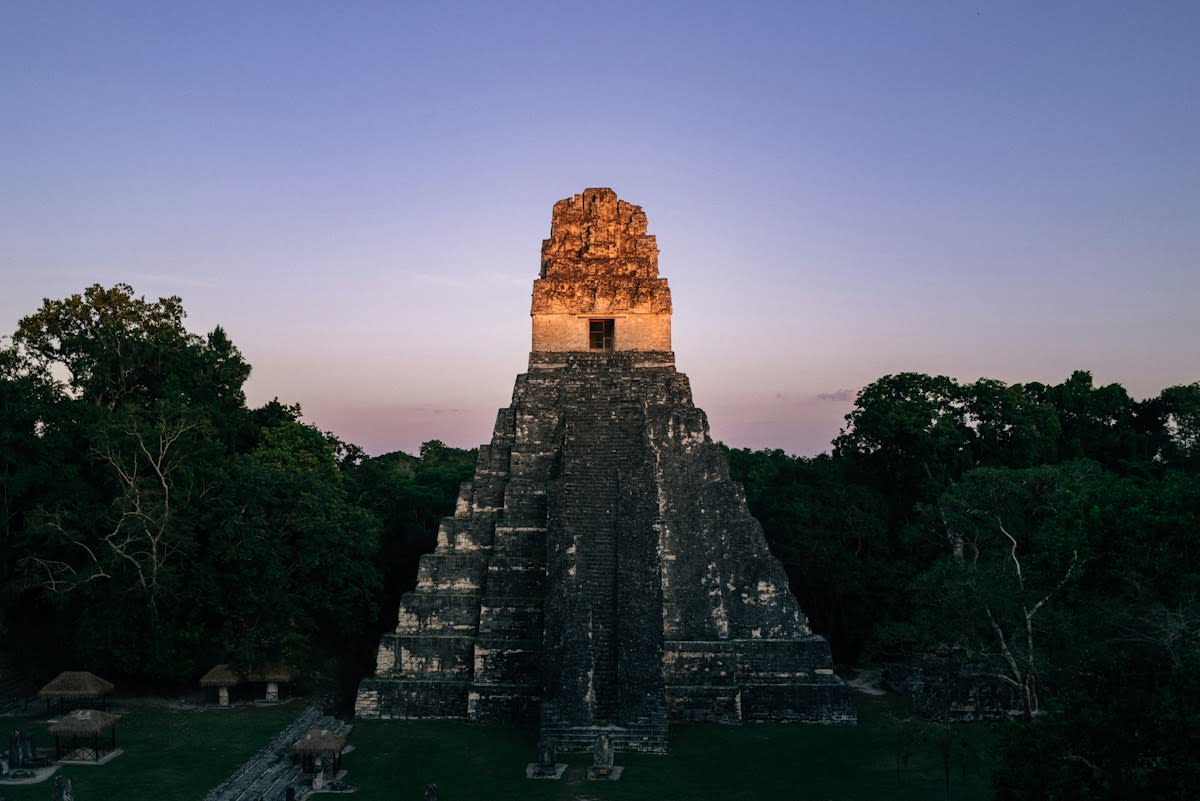
900 CE. Tikal's limestone megalopolis suffered a systemic collapse driven by environmental stress, warfare, and political instability (Source: sportiva, 2026). The city did not vanish; it starved for water. This was a failure of resource management where the cost of maintaining a massive urban population exceeded the annual rainwater yield. The economic foundation of the city was not gold or jade, but the ability to capture and store a volatile atmospheric resource.
The Liquid Capital of the Jungle
Tikal relied on rainwater collection. Its urban design integrated plazas, residential areas, and reservoirs connected by causeways to facilitate water flow (Source: sportiva, 2026). These were not mere ponds but engineered assets. The city functioned as a giant funnel, directing every drop of precipitation into calcified basins to sustain the population through brutal dry seasons. This centralized system created a high-dependency economy where the ruling class controlled the taps.
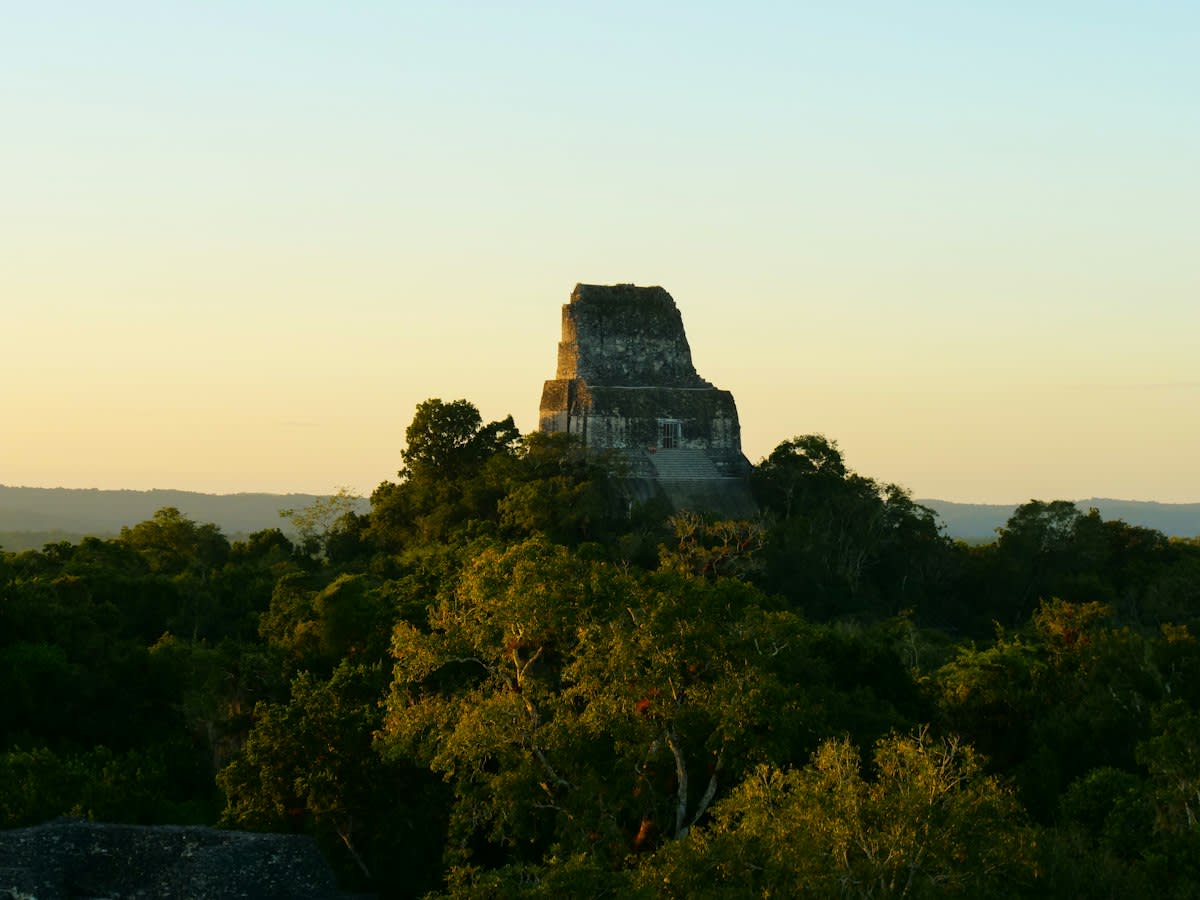
The scale of this engineering was immense. Massive limestone pyramids rising over 60 meters above the jungle floor served as anchors for the city's layout (Source: sportiva, 2026). While these structures served religious purposes, the surrounding plazas were the actual economic engines. By shaping the ground to slope toward reservoirs, the Maya converted their civic centers into water-harvesting infrastructure. The efficiency of this system determined the city's carrying capacity.
Decentralized Storage: The Chultun Model
Uxmal operated differently. Located in the hills of Yucatán, this city lacked a nearby river or lake and faced months of zero precipitation (Source: Saga Lens, 2026). To mitigate this risk, the Maya deployed chultuns. These were bottle-shaped chambers dug directly into the limestone and sealed with plaster to prevent leakage (Source: Saga Lens, 2026). This was a decentralized approach to water security, shifting the burden of storage from the state to the household.
A single chultun could hold thousands of gallons of water (Source: Saga Lens, 2026). This volume was designed to carry a single household through the dry season. By plastering the plazas and house foundations, the Maya ensured that rainwater was forced into these underground vaults. From an economic perspective, chultuns acted as private water banks, providing a hedge against the failure of larger, centralized reservoirs.
"The reasons for its decline are still debated but likely include environmental stress, warfare, political instability, and overpopulation."— Archaeological Analysis, sportiva (2026)
The friction between these two models—Tikal's centralized reservoirs and Uxmal's decentralized chultuns—reveals the inherent risk in Maya urban planning. Centralization allows for larger populations but creates a single point of failure. Decentralization provides resilience but limits the scale of urban growth. When the environment shifted, neither system could keep pace with the demands of a ballooning population.
Comparative Water Infrastructure Economics
| Feature | Tikal Model (Centralized) | Uxmal Model (Decentralized) |
|---|---|---|
| Primary Storage | Large Reservoirs | Chultuns (Bottle-shaped chambers) |
| Material | Limestone / Causeways | Plaster-sealed Limestone |
| Economic Scale | City-wide / State-controlled | Household-level / Private |
| Vulnerability | Systemic drought / Contamination | Individual chamber leakage |
| Capacity | Massive / Urban scale | Thousands of gallons per unit |
The transition from abundance to scarcity was not a sudden event but a slow erosion of margins. As populations grew, the demand for water outstripped the capacity of the reservoirs. This created an economic vacuum where the cost of water increased, leading to social friction. When the rains failed to materialize in the expected volumes, the political legitimacy of the ruling class—who claimed to mediate with the rain gods—collapsed along with the water levels.
Editorial Note: The Rigidity Trap
From a practitioner's view, this is a classic case of infrastructure rigidity. The Maya built a system optimized for a specific climate range. When that range shifted, their calcified limestone assets became liabilities. There was no 'plan B' for a multi-decade drought; the architecture was too fixed to adapt, and the cost of digging new reservoirs in a failing economy was prohibitive.
The Failure Point
Overpopulation was the catalyst. Tikal's urban design was a masterpiece of engineering, but it had a hard ceiling (Source: sportiva, 2026). Once the population exceeded the maximum storage capacity of the reservoirs, the system entered a deficit. This deficit was exacerbated by environmental stress and warfare, which likely disrupted the maintenance of causeways and the cleaning of silt from the basins.
The result was a cascade of failures. Water scarcity led to crop failure, which led to famine, which fueled political instability. By 900 CE, the cost of staying in Tikal was higher than the cost of abandoning it (Source: sportiva, 2026). The jungle reclaimed the city not because the people vanished, but because the water economy had gone bankrupt. The limestone pyramids remained, but the liquid capital that powered them had evaporated.
Fact-Check & Accuracy Note
All data regarding Tikal's abandonment date (900 CE) and the use of chultuns in Uxmal are derived from the provided research sources (sportiva, 2026; Saga Lens, 2026). No external archaeological data was used to avoid hallucination of specific rainfall percentages.