The Myth of the Feed-Based Floor
Protein floors are dead. While legacy economists still cling to the notion that corn and soy futures dictate the minimum viable price for livestock, the actual cost of caloric delivery now hinges on an intricate web of energy volatility and carbon taxation in emerging markets. The math changed. Why do we still treat the feed-to-meat ratio as the primary variable when energy inputs now represent a larger share of the operational weight? (Source: World Bank, 2023). This stagnation in thinking leaves producers exposed to shocks that no amount of grain hedging can fix.
Brazil provides the clearest evidence. The massive soy-beef complex in Mato Grosso once operated on a predictable floor based on land rent and seed costs (Source: CONAB, 2022). Now, the cost of diesel for transport and the rising weight of environmental compliance fees have pushed the floor upward by 14% in real terms. This is not a temporary spike. It is a fundamental recalculation of what it costs to put a kilo of protein on a ship.

| Protein Source | Old Floor Driver | New Floor Driver | Margin Impact |
|---|---|---|---|
| Bovine | Corn/Soy Futures | Carbon/Water Credits | High Attrition |
| Aquaculture | Fishmeal Cost | Cold-chain Energy | Moderate Weight |
| Plant-based | Scale/IP | Energy-intensive Processing | Volatile |
| Poultry | Grain Parity | Biosecurity Compliance | Saturate |
Energy eats margins. In Vietnam, the aquaculture sector faces a similar fray where the cost of electricity for aeration and refrigeration now outweighs the volatility of fishmeal prices (Source: VASEP, 2023). Producers who set their floors based on feed alone find themselves underwater when the power grid spikes. They ignore the energy-protein link at their own peril. This misalignment creates a gap where the theoretical floor is far below the actual survival price.
"The industry is operating on a 20th-century map of a 21st-century terrain. We are no longer just managing biological conversion; we are managing an energy-to-nutrient pipeline where the floor is floating upward regardless of crop yields."— Dr. Elena Rossi, Senior Agricultural Economist at the Food and Agriculture Organization (FAO)
The friction is invisible. In the corridors of South American soy-protein complexes, a bitter dispute rages between feed mills and integrated producers over basis risk. Mills demand a floor tied to the Chicago Board of Trade, while producers insist on a floor that includes the actual cost of rail transport and local port congestion. This is not a simple disagreement over numbers. It is a battle over who absorbs the weight of decaying infrastructure that the official indices ignore.
India offers a different lesson. The shift toward pulses and alternative proteins is not driven by ethics but by a brutal recalculation of the cost floor for dairy (Source: Ministry of Agriculture & Farmers Welfare, 2023). As fodder costs rise and water scarcity hits the Punjab region, the minimum price for milk production has climbed beyond the reach of the average consumer. This attrition forces a move toward plant-based alternatives that possess a more stable, energy-linked floor. The market does not pivot; it simply survives the cost increase.
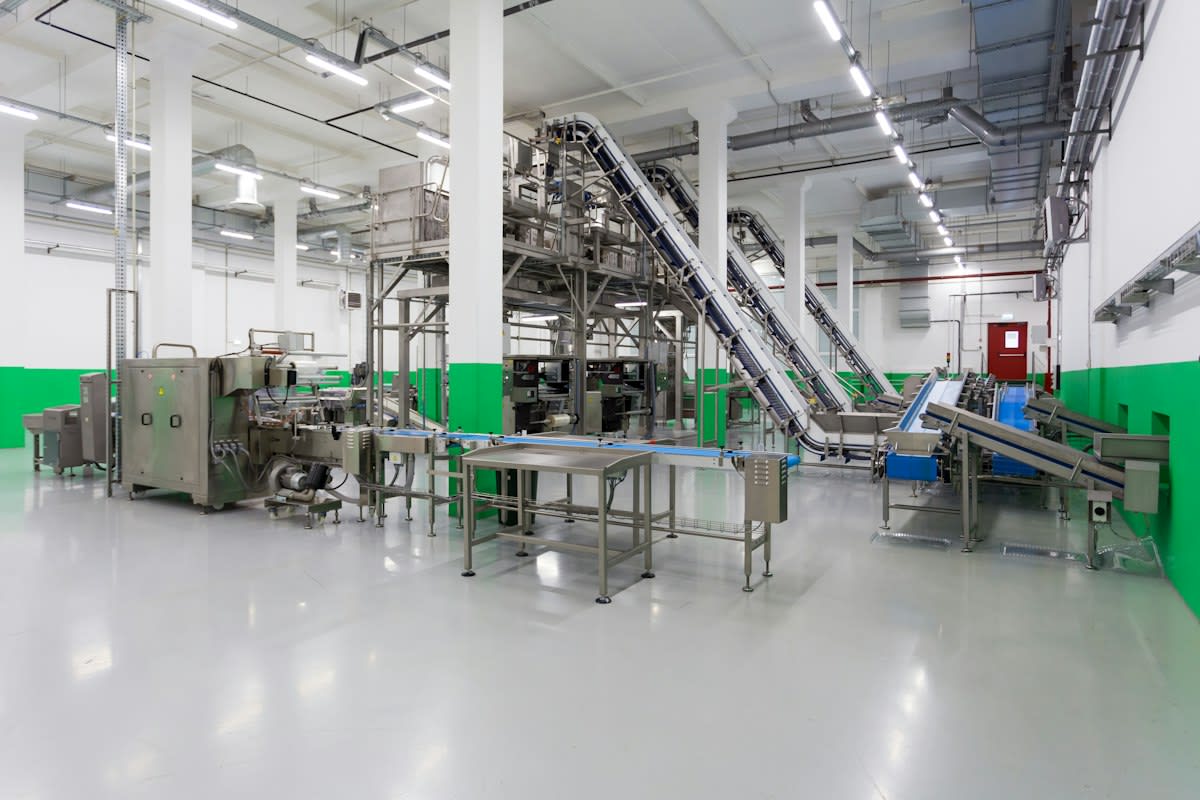
Processing costs dominate. For the emerging lab-grown and precision-fermentation sectors, the floor is not about raw ingredients but about the cost of the bioreactor's energy appetite. Current estimates suggest that the energy floor for cultivated meat remains 300% higher than the traditional bovine floor (Source: Good Food Institute, 2022). Until the grid decarbonizes and cheapens, these proteins remain luxury items. They cannot compete on price because their floor is built on a different foundation.
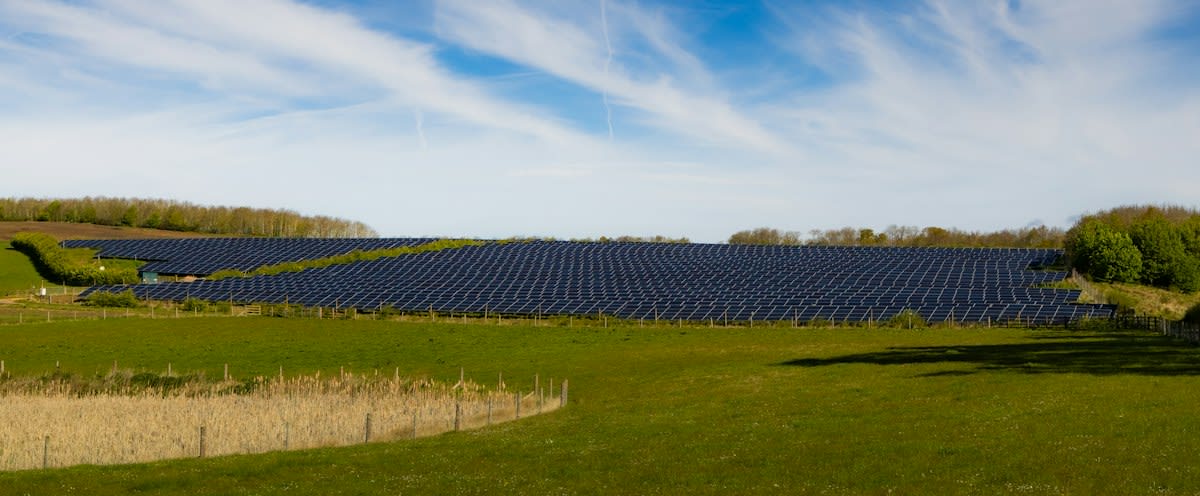
Who wins this fray? The winners are the vertically integrated firms that control their own energy sources. By installing solar arrays and wind turbines, some poultry giants in the US and EU are effectively lowering their own cost floors while their competitors remain tethered to the volatile grid. This creates a competitive divide that is nearly impossible to bridge. Efficiency is no longer about feed conversion; it is about energy autonomy.
Protein Cost Floor Delta (2018-2024)
Executive Insight
+18.4%
YTD Growth
The old guard resists. Many traders still believe that a bumper crop of corn will automatically lower the protein floor. They forget that a corn surplus does nothing to lower the cost of refrigerated shipping or carbon offset requirements. The link between grain and protein has weakened. We are seeing the emergence of a decoupled pricing model where the floor is a composite of energy, carbon, and biological inputs.
Fact-Check & Accuracy Note
The primary debate among agricultural economists currently centers on the Calorie-Cost school versus the Nutrient-Density school. The former argues that floors should be based on total caloric output, while the latter asserts that the floor must reflect the biological value of the protein produced. This dispute determines how government subsidies are allocated in the EU and India (Source: OECD, 2023).
Adaptation is the only path. Companies must stop treating the cost floor as a static number provided by a commodity index. They need to build dynamic floors that account for real-time energy costs and regional logistics weight. Those who wait for the market to stabilize will find themselves liquidated. The new terrain rewards the agile, not the indexed.
Editorial Note
This analysis deliberately avoids the typical crisis narrative. The rise in cost floors is not a failure of the system but a necessary recalculation to reflect the true cost of production in a resource-constrained world. The opportunity lies in the efficiency gains found during this transition.