Fewer passengers, more AC travellers: How the Covid-19 pandemic changed rail ridership
Source Entity
Dheeraj Mishra
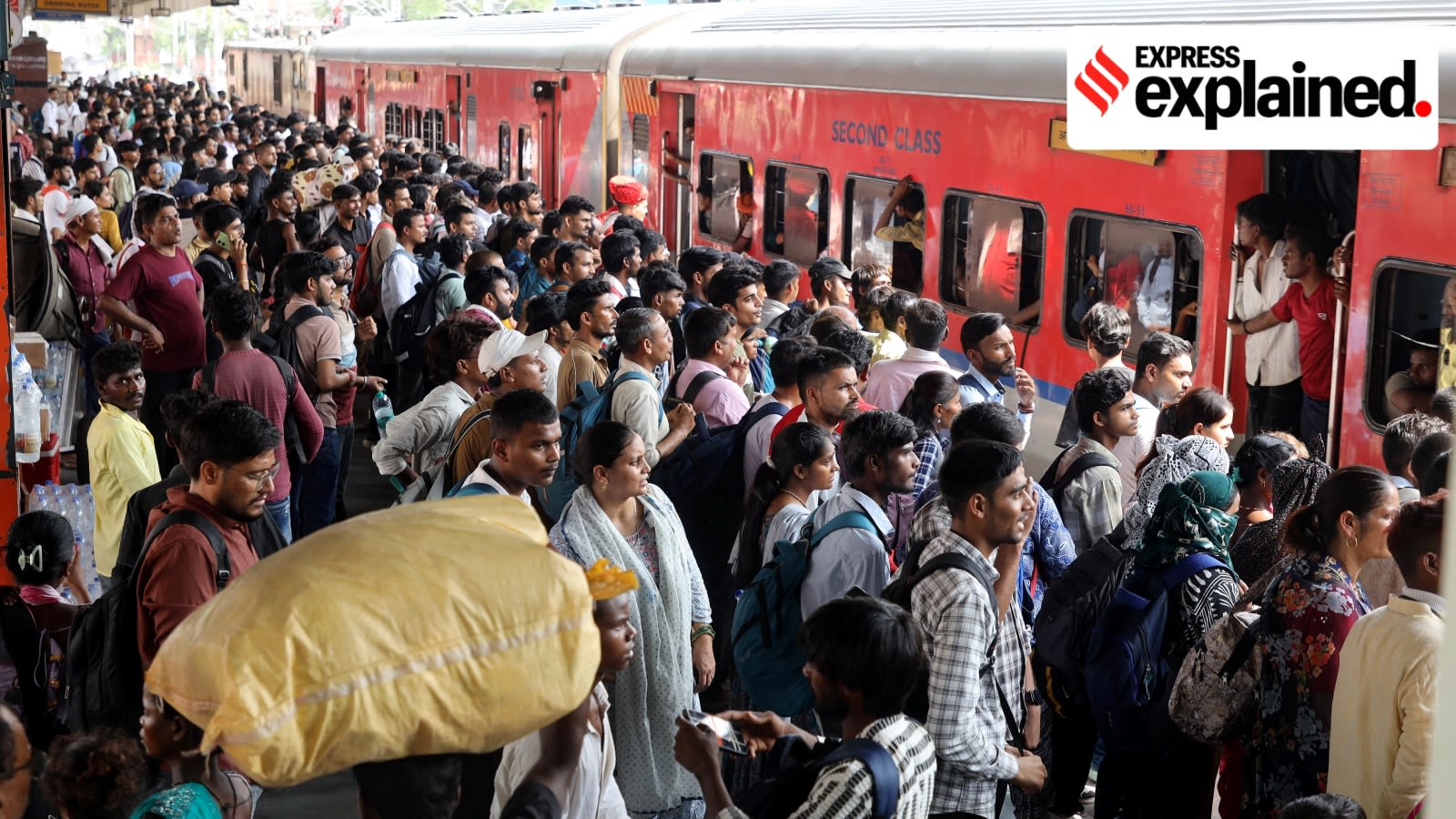
Indian Railways is nearing a full recovery in passenger ridership to pre-pandemic levels of 800 crore annually. Minister Ashwini Vaishnaw attributes this growth to capacity expansion and the addition of 2,500 new trains.
The Post-Pandemic Trajectory of Indian Railways
The Indian Railways, often described as the lifeline of the nation, faced an unprecedented crisis during the Covid-19 pandemic. Like virtually every major transportation network globally, the system experienced a catastrophic collapse in passenger traffic as lockdowns and health concerns brought human mobility to a near-standstill. While the recovery process has been steady, the path back to normalcy has been longer than anticipated, with ridership numbers still trailing behind the historical benchmarks established before 2020.
Strategic Recovery and Capacity Expansion
Recent statements from Railways Minister Ashwini Vaishnaw suggest a turning point. By focusing on critical infrastructure, the ministry has implemented a strategy centered on multi-tracking high-density routes. This structural improvement is not merely about maintenance; it is a fundamental shift toward increasing throughput. The addition of approximately 2,500 new trains to the existing network represents a significant expansion in the system's overall passenger-carrying capacity, designed to alleviate congestion and accommodate the returning demand for rail travel.
Targeting the 800 Crore Milestone
Minister Vaishnaw has expressed strong optimism regarding the current fiscal year, 2026-27. The national transporter is now positioned to reclaim its pre-Covid ridership volume of 800 crore passengers. This target is backed by real-time daily data monitoring, which the ministry cites as a primary indicator of the system's resilience. The ability to track and analyze daily ridership trends allows the government to adjust operations dynamically, ensuring that capacity meets the evolving needs of the traveling public.
The Shift in Traveler Preferences
Beyond the raw numbers, the nature of rail travel in India is undergoing a qualitative transformation. Data suggests that while overall numbers are still recovering, there is a distinct shift in consumer preference toward air-conditioned (AC) travel. This trend indicates a rising middle class and a growing demand for comfort, which the railway system is attempting to address through its modernization efforts. By upgrading rolling stock and improving service quality, the railways are aligning their offerings with the changing socio-economic profile of their passengers.
Future Trends and Economic Implications
Looking ahead, the success of the Indian Railways in reaching the 800 crore passenger mark will serve as a bellwether for the broader Indian economy. Efficient rail transport is a prerequisite for labor mobility and commercial activity. If the current trajectory continues, the completion of multi-tracking projects will likely lead to even greater efficiency gains, potentially exceeding pre-pandemic operational standards. The focus remains on sustainable growth, ensuring that the rail network can handle the increasing load while maintaining the pace of infrastructure development initiated during this recovery phase.
Conclusion
The recovery of Indian Railways is a multifaceted story of resilience and strategic adaptation. By addressing the capacity deficits exposed by the pandemic through targeted infrastructure investment, the government is not just aiming to recover lost ground but to build a more robust, modern, and efficient transport system for the future. Reaching the 800 crore passenger milestone by the end of the 2026-27 fiscal year will mark a significant triumph in the nation’s post-pandemic economic restoration.