He retired from Bank of Baroda. Then it took Rs 1.2 crore from his savings
Source Entity
Omkar Gokhale
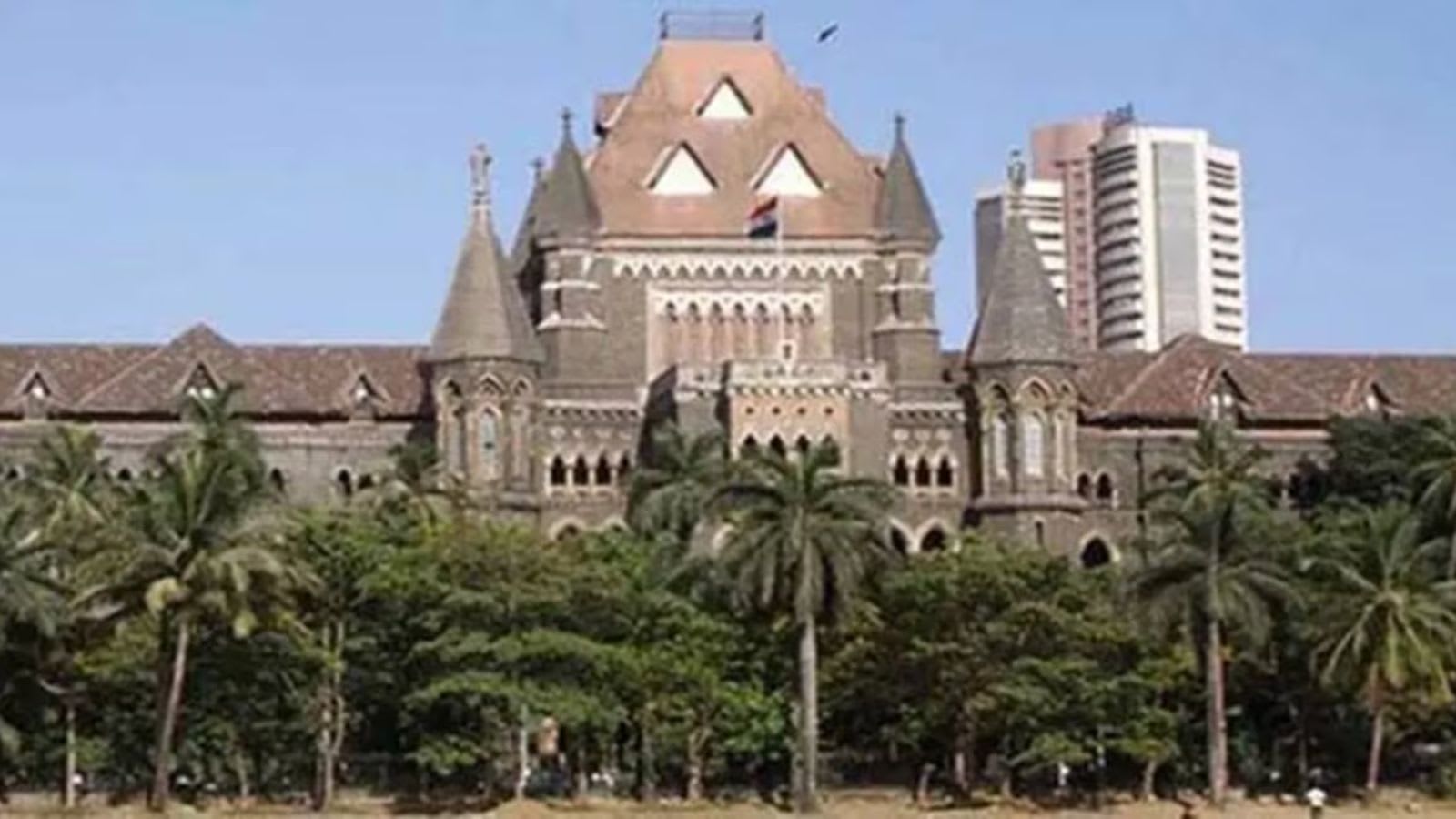
An 80-year-old retired Bank of Baroda employee successfully reclaimed Rs 1.47 crore after the bank unilaterally deducted his savings. The Bombay High Court intervened, criticizing the bank's treatment of senior citizens and demanding a more humane, pragmatic approach to institutional banking.
The Struggle for Financial Integrity
For an 80-year-old retired employee of the Bank of Baroda (BoB), the institution where he dedicated his professional life became the source of a grueling three-year legal ordeal. The conflict arose when the bank unilaterally deducted nearly Rs 1.20 crore from the pensioner's fixed deposits. This case highlights the precarious nature of financial security for the elderly when faced with large institutional entities that rely on bureaucratic inertia to resolve disputes.
Judicial Intervention and the Role of the Bombay High Court
The Bombay High Court, led by Chief Justice Mahesh Chandra Tripathi and Justice Advait M. Sethna, took a firm stance on the matter. Following the court’s involvement, the bank remitted Rs 1.47 crore to the retiree's account, a sum that included the original deducted amount plus accrued interest. The court's intervention was not merely procedural; it served as a stern reminder that financial institutions are bound by a duty of care, especially toward their former employees and senior citizens.
The Vulnerability of Senior Citizens in Banking
This case underscores a broader systemic concern regarding how banks manage the accounts of the elderly. The court observed that senior citizens, who entrust their 'life’s hard-earned savings' to these institutions, should not be subjected to the exhaustion of repeated litigation to recover their own funds. The 'unilateral' nature of the deductions cited in the court proceedings points to a significant failure in the bank's internal grievance redressal mechanisms, forcing the retiree to seek justice while in a state of failing health.
A Call for Humane Banking Practices
The Bombay High Court’s ruling emphasized that a 'pragmatic solution based humane approach' is not merely an ethical preference but a legal necessity. By mandating that banks operate in accordance with the law while maintaining compassion, the court has set a precedent that institutions cannot hide behind procedural hurdles to delay or deny the restitution of funds. This case serves as a cautionary tale for banking institutions regarding the reputational and legal risks of mistreating their most vulnerable account holders.
Broader Implications and Future Trends
As India’s aging population grows, the protection of retirement savings becomes an increasingly critical socio-economic issue. This ruling is likely to influence future litigation involving banking disputes, potentially encouraging courts to prioritize swift, victim-centric resolutions over prolonged institutional defense. For the banking sector, this incident highlights the urgent need to overhaul internal audit and customer service protocols to ensure that senior citizens are protected from arbitrary financial actions, ultimately fostering a more transparent and trustworthy banking environment.